How it Works
WPP, Havas, Omnicom: Are advertising’s biggest holdcos recasting agencies as AI Operating Systems?
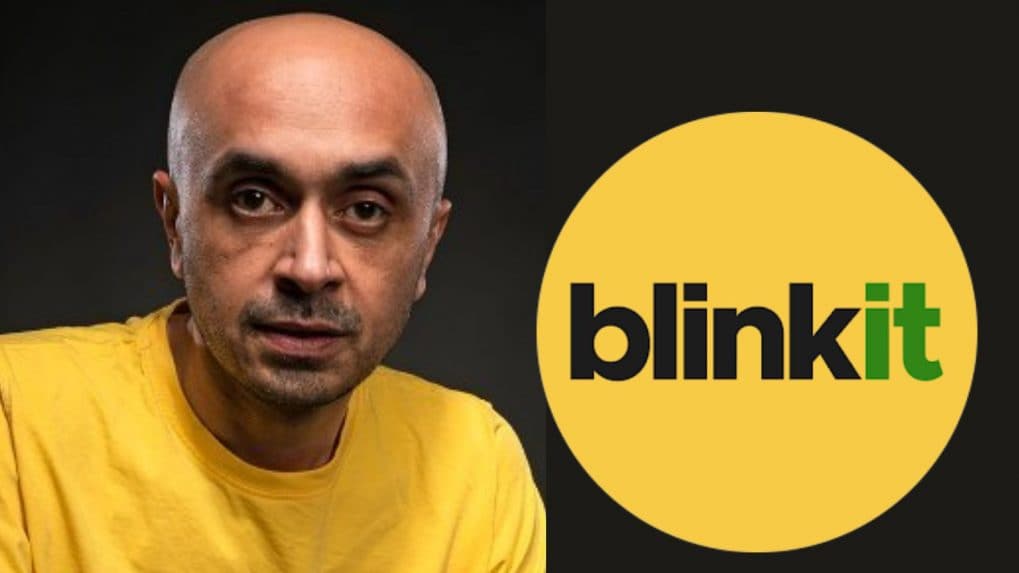
Albinder Dhindsa, CEO of Blinkit, has said that the quick-commerce sector is heading toward a shakeout as rivals’ funding dries up — but that Blinkit will continue to grow, as per a Bloomberg report.
He noted that the current model, which has long depended on aggressive fund-raising, is reaching its limits, and companies will soon need to confront how long they can sustain heavy losses.
Global investors including SoftBank Group, Temasek Holdings and several Middle Eastern sovereign funds have pumped billions into the sector, as per the report, even as similar quick-commerce ventures in the US, Europe and parts of Asia have collapsed.
India’s dense urban markets, lower labour costs and widespread digital payments offer an advantage, but viability still hinges on logistics efficiency and steady access to capital.
The report highlighted that Blinkit rival Swiggy is preparing a USD 1.1 billion share sale barely a year after its USD 1.3 billion market debut, at about the same valuation as its IPO. Competitor Zepto has raised USD 450 million ahead of a planned listing next year.
Dhindsa, as per the report, highlighted that when such imbalances exist, market corrections tend to be swift.
Analysts at Bernstein Societe Generale Group, as per the report, have said that Blinkit (owned by Eternal Ltd.) has emerged as a long-term frontrunner owing to strong execution, unit economics and more than USD 2 billion in cash. Still, they warned that intensifying competition may require higher investment before Blinkit turns free-cash-flow positive. The company remains unprofitable as it continues to enter new markets.
Read More: Blinkit to continue high marketing spend to onboard new consumers, says CEO Albinder Dhindsa
The boom has also attracted Amazon, Walmart-controlled Flipkart, and Reliance Retail, heightening competition in major cities.
Dhindsa expects the line between online retail and quick commerce to gradually blur. Blinkit still hosts thousands of third-party sellers and offers everything from refrigerators to over 6,000 book titles. He added that expansion will focus only on categories where Blinkit can meaningfully improve issues such as returns or sizing — and establish a clear “right to win.”
As demand expands to smaller towns, Blinkit plans continued investment. Rural markets require stronger supply chains and clusters of dark stores before operations become efficient. Dhindsa said that demand — not infrastructure — is the bigger constraint, as per the report.
To build the needed backbone, Blinkit is shifting more procurement toward local entrepreneurs who run aggregation businesses for fruits and vegetables, creating semi-skilled jobs in warehousing and enabling workers to return to their hometowns.
Dhindsa added that Blinkit has internalised lessons from past challenges where steep discounting boosted demand but hurt economics.
According to the report, he expects a sector reset as companies balance ambition with capital costs and supply-chain complexity. Consolidation, sharper category choices and more disciplined discounting may define the next phase.
From purpose-driven work and narrative-rich brand films to AI-enabled ideas and creator-led collaborations, the awards reflect the full spectrum of modern creativity.
Read MoreThe Storyboard18 Awards for Creativity have unveiled a Grand Jury comprising some of India’s most influential leaders across advertising, business, policy and culture, positioning it among the country’s most prestigious creative award platforms.