How it Works
WPP, Havas, Omnicom: Are advertising’s biggest holdcos recasting agencies as AI Operating Systems?
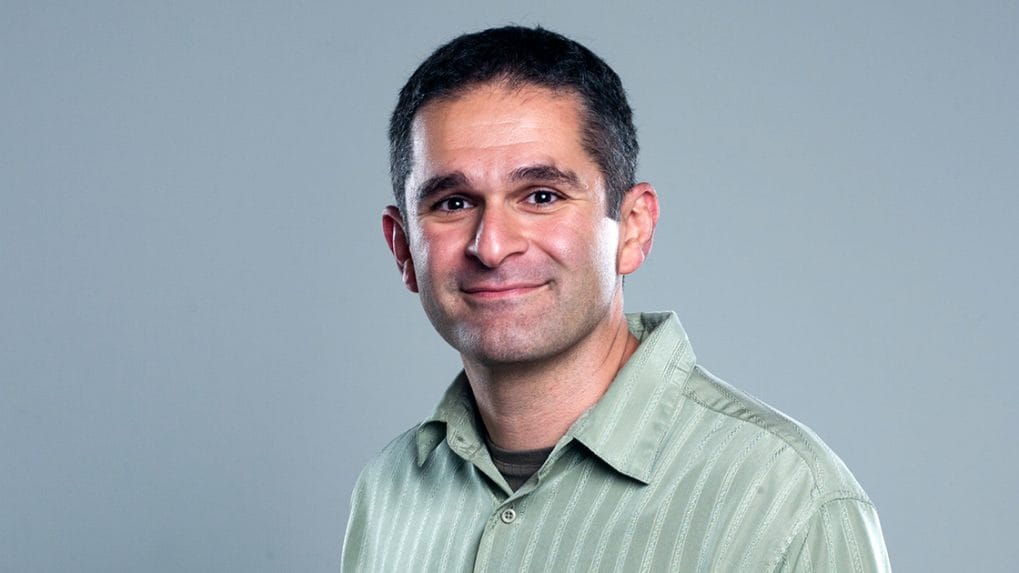
Google has elevated long-time engineering leader and AI systems architect Amin Vahdat to the newly created role of chief technologist for AI infrastructure, underscoring the company’s escalating investment in the massive computing backbone required to power its next generation of artificial intelligence tools.
The appointment, first reported by Semafor and confirmed by Google, signals how central infrastructure has become to the company’s AI strategy, with Alphabet projecting capital expenditures of up to $93 billion by the end of 2025, and even higher spending expected the following year. The new role will report directly to CEO Sundar Pichai, reflecting the strategic weight of Vahdat’s portfolio.
A veteran computer scientist with a PhD from UC Berkeley, Vahdat has spent the past 15 years shaping Google’s internal computing architecture. Before joining the company in 2010, he held faculty positions at Duke University and UC San Diego, publishing hundreds of research papers and focusing on building systems capable of operating efficiently at enormous scale.
Within Google, Vahdat has been at the centre of several foundational technologies. As VP and GM of ML, Systems, and Cloud AI, he unveiled Google’s seventh-generation Tensor Processing Unit, TPU v7 “Ironwood,” earlier this year. The hardware boasts more than 9,000 chips per pod and delivers 42.5 exaflops of compute, performance that outpaced the world’s top supercomputers at the time. He noted that demand for AI compute has surged by a factor of 100 million in eight years, reshaping how Google builds and deploys hardware.
Much of Vahdat’s influence, however, lies behind the scenes. He has overseen development of Google’s custom TPU chips for AI training and inference, the high-speed Jupiter interconnect network that links its data centres at 13 petabits per second, and the Borg system that orchestrates global compute workloads. He also guided work on Axion, the company’s first custom Arm-based CPUs for data-centre use.
The promotion may also strengthen Google’s hand in retaining top AI and systems talent at a time when competition for experienced engineering leaders has become intense across the tech sector.
Google is in a race with rivals including OpenAI, Amazon, Nvidia and Microsoft to control the infrastructure layer that underpins modern AI. With escalating model complexity and rising demand for compute, the company has been expanding its data-centre footprint and accelerating custom chip development. Vahdat’s appointment signals a push to unify these efforts under a single senior leader as Google prepares for another surge in AI-related spending.
From purpose-driven work and narrative-rich brand films to AI-enabled ideas and creator-led collaborations, the awards reflect the full spectrum of modern creativity.
Read MorePraveen Someshwar, Managing Director and CEO of Diageo India, joins the Grand Jury of the Storyboard18 Awards for Creativity, highlighting the awards’ focus on work that blends cultural relevance with strategic and commercial impact.