How it Works
WPP, Havas, Omnicom: Are advertising’s biggest holdcos recasting agencies as AI Operating Systems?
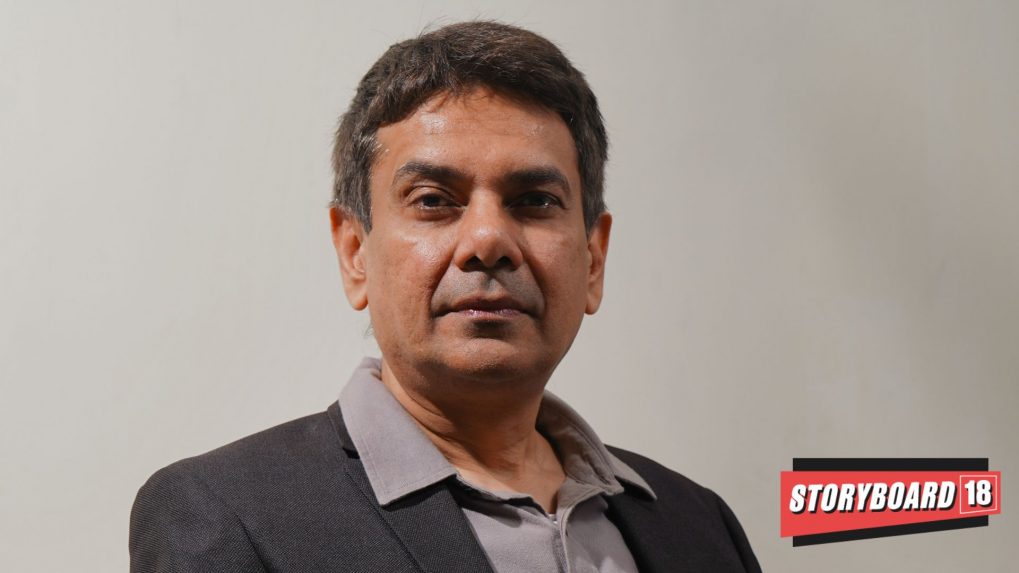
Kati Patang is positioning itself as a premium cultural brand in a beer market dominated by price wars, regulatory friction, and multinational scale. Under MD and CEO Shantanu Upadhyay, the brand is betting on premiumization, community led marketing, and lifestyle extensions rather than mass volume. With gross revenues of around ₹16 crore last year and a projected run rate that could double by March to April 2026, Kati Patang is expanding from Goa into Haryana and four to five additional Indian markets over the next year. It has also entered the UK through a brewery stake and begun exports to the US.
In an interview with Storyboard18, Upadhyay explains why Kati Patang is building scale through scope, not just beer.
Edited excerpts:
Your Freedom Lager launch with Royal Enfield at Motoverse Goa marked your entry into Goa. Why Goa, and how are you thinking about market expansion across India?
Kati Patang is a premium beer brand, but beer is only the starting point. From day one, our intent was to build Kati Patang as a broader brand platform. The name itself captures our thesis — absolute freedom, symbolized by a free, unfettered kite. We consciously embraced that positioning even though many advised us to choose a more “positive” or conventional name.
We are priced about 40 to 50 percent higher than certain competitors, and we operate firmly in the premium segment. Beer is a heavily regulated FMCG category in India, but we believe meaningful scale can still be built here. While whiskey dominates market share, beer remains the category with the strongest potential for brand-building at scale.
Royal Enfield was a natural partner because both brands stand for exploration, independence, and freedom. Motoverse in Goa is their flagship community event, so it made sense to launch Freedom Lager there. Our beer is brewed in Uttarakhand using Himalayan water, but Goa offered the right cultural and experiential setting for the launch.
We will expand beyond Goa into Haryana, and over the next 9 to 12 months, we plan to enter four to five additional Indian markets. The challenge is that every Indian state functions like a different country from a regulatory standpoint. Even entering a market like Delhi requires substantial fees just to register a beer label. Despite these constraints, our ambition is to build Kati Patang into a national brand.
Given advertising restrictions in alcohol, what does your marketing strategy look like?
We cannot rely on traditional advertising, which in many ways works in our favor. Competing with multinational ad budgets is not our game. Instead, we focus on communities, subcultures, and experiences.
Kati Patang is built around the idea of freedom and pause. While events like Motoverse emphasize adrenaline and activity, what we are really celebrating is the moment of stillness afterward — when you disconnect, slow down, and feel free. That idea runs across our products and brand experiences.
We see Kati Patang not just as a beer label, but as a lifestyle platform. Our company, Kati Patang Lifestyle Limited, is listed on the Bombay Stock Exchange main board, and beer acts as the anchor as we build into adjacent premium lifestyle categories over time.
Can you share your revenue scale and how the business is growing?
Last year, our gross revenue was approximately ₹16 crore. We expect to grow meaningfully this year, and our run rate could potentially double by March–April 2026, factoring in both organic growth and new assets being added under the Kati Patang Lifestyle umbrella.
We have also acquired a 23 percent stake in a brewery and pub in Oxfordshire in the UK, which is now part of our broader portfolio. Since we are a listed company, there are limits to what we can disclose, but there are multiple expansion initiatives currently in progress.
Our marketing spends are relatively modest, but we have consistently punched above our weight. Even in markets where we are not actively selling today, consumers recognize the brand and associate it with a broader lifestyle identity rather than just a beverage.
You have also built IPs like the Kati Patang Quiz League and other community formats. Why focus on “scale through scope” instead of pure volume?
The beer business in India requires high working capital, advance tax payments, and significant regulatory overhead. Many beer brands have disappeared because the economics are brutal if you operate at the lower end of the market. Premium is not optional — it is essential.
We believe scale does not have to come only from volume. It can also come from scope — building adjacent categories, communities, and experiences that reinforce the brand’s identity. If you build a brand correctly, it can stay in cultural memory for decades. That long-term muscle memory matters more to us than short-term volume growth.
You have expanded into the UK and started exporting to the US. Why go global so early?
We did not want to compete internationally as a generic “Indian beer brand.” Kati Patang is rooted in India, but the emotion behind it — freedom — is universal. That makes it globally relevant.
We found the right opportunity in England’s Cotswolds, partnering with a small brewery that uses natural spring water. Our beer gained traction in pubs around Oxford, where it was positioned as “When Freedom Takes Flight Lager.” Interestingly, while we faced skepticism in India over the brand name, global consumers responded positively once they understood the story behind it.
We started exporting to the US in late 2023 or early 2024, and we see meaningful opportunity in Indian-affinity and global premium markets. Our approach is Indian soul, global relevance.
From an India lens, what consumer and marketing trends are shaping the category today?
We are seeing clear shifts among millennials and Gen Z. Younger consumers are less willing to wait — they prioritize experiences earlier in life. There is also a strong movement toward drinking less but drinking better, which supports premiumization.
Post-COVID, consumers increasingly value experiences over possessions. Luxury itself has evolved — it is no longer about display or excess, but about authenticity and depth. That shift plays directly into how we position Kati Patang.
There is also a social leveling happening. Younger consumers expect authenticity and equality — they want to feel on par with more senior or affluent cohorts as long as values align. That mindset is shaping brand expectations across categories.
Looking back from your 2018 launch to now, what defines Kati Patang’s growth story in India and what is next?
We launched in October 2018 and have taken a contrarian path. We were active in cities like Mumbai and Bangalore, scaled back during COVID, but retained strong national brand recall. At one stage, we were an acquisition target for larger companies, but we chose to remain independent because we believe Kati Patang has a much larger role to play as a platform.
In August 2024, we listed on the capital markets. What gave us confidence was brand memory even if consumers could not always find the product, many remembered Kati Patang and what it stood for, sometimes years after trying it.
We are now expanding across beer, exploring a spirits brand in India, growing our community-led IPs like the Kati Patang Quiz League, launching a corporate edition in Gurgaon, and building a new format called Kati Patang Trial Road, inspired by culture-driven platforms like Coke Studio.
Our mission going forward is clear. Kati Patang will not remain just a beer brand. We want to build a multi-dimensional lifestyle ecosystem rooted in freedom, authenticity, and community — with India as the core growth market.
From purpose-driven work and narrative-rich brand films to AI-enabled ideas and creator-led collaborations, the awards reflect the full spectrum of modern creativity.
Read MorePraveen Someshwar, Managing Director and CEO of Diageo India, joins the Grand Jury of the Storyboard18 Awards for Creativity, highlighting the awards’ focus on work that blends cultural relevance with strategic and commercial impact.