Advertising
From Pink Slips to Silent Sidelining: Inside adland’s layoff and anxiety crisis
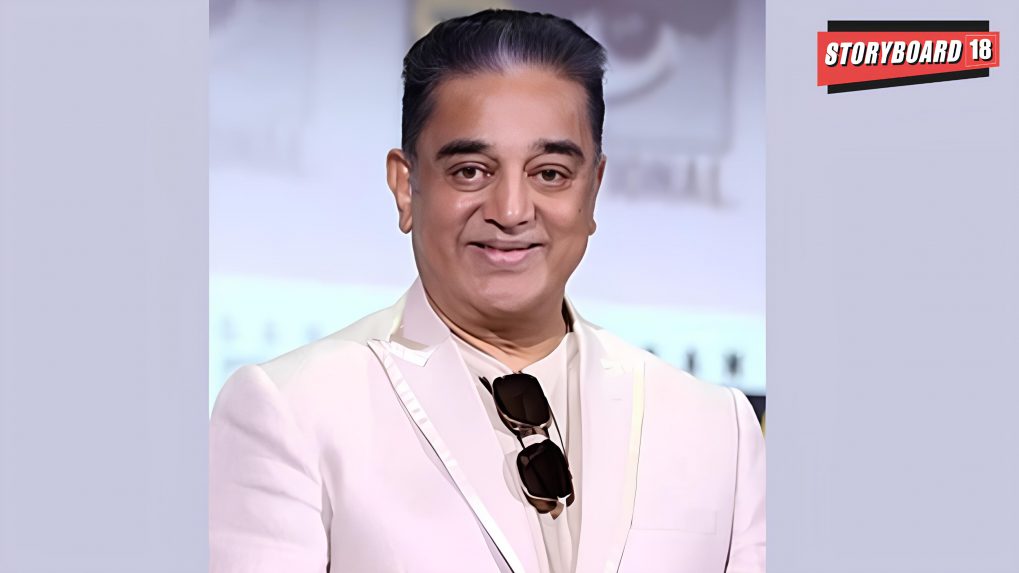
The Madras High Court on January 12 granted interim relief to actor and Rajya Sabha MP Kamal Haasan, restraining unknown persons and platforms from commercially exploiting or circulating morphed and AI-generated images using his likeness, according to a Bar and Bench report.
The court clarified, however, that satire and other permissible creative expression would remain protected.
Since the suit was filed as a John Doe action against unidentified entities, the court also directed that the order be published in a widely circulated English daily to notify potential infringers.
Senior advocate Satish Parasaran, appearing for Haasan, submitted that the action had been initiated to protect both the actor’s dignity and commercial interests, which were being impacted by unauthorised online activity.
He argued that the misuse fell into two broad categories: commercial exploitation of Haasan’s persona and the circulation of harmful content on social media.
Read More: The rise of personality-rights litigation: Celebrities who have approached courts for protection
The court was informed that most of the alleged infringers were anonymous, which is why the case had been structured as a John Doe suit. Haasan identified specific URLs through which the infringing content was being circulated. Parasaran said that only in limited instances had specific individuals been traced, primarily where there was clear commercial exploitation.
On commercial misuse, the court was told that Haasan’s name and image were being used on merchandise such as T-shirts and other products without his consent or endorsement.
Haasan’s counsel also clarified that non-commercial use does not ordinarily warrant restraint and that creative expressions such as caricature and satire must remain protected. However, he contended that the content in the present case crossed that boundary.
On the issue of harmful content, Parasaran pointed to the creation and circulation of AI-generated deepfakes and morphed images, which he described as unsavoury and damaging. These allegedly depicted Haasan in inappropriate contexts, diluting his personality rights, infringing moral rights and affecting his endorsement value, the report added.
From purpose-driven work and narrative-rich brand films to AI-enabled ideas and creator-led collaborations, the awards reflect the full spectrum of modern creativity.
Read MoreLooking ahead to the close of 2025 and into 2026, Sorrell sees technology platforms as the clear winners. He described them as “nation states in their own right”, with market capitalisations that exceed the GDPs of many countries.