How it Works
WPP, Havas, Omnicom: Are advertising’s biggest holdcos recasting agencies as AI Operating Systems?
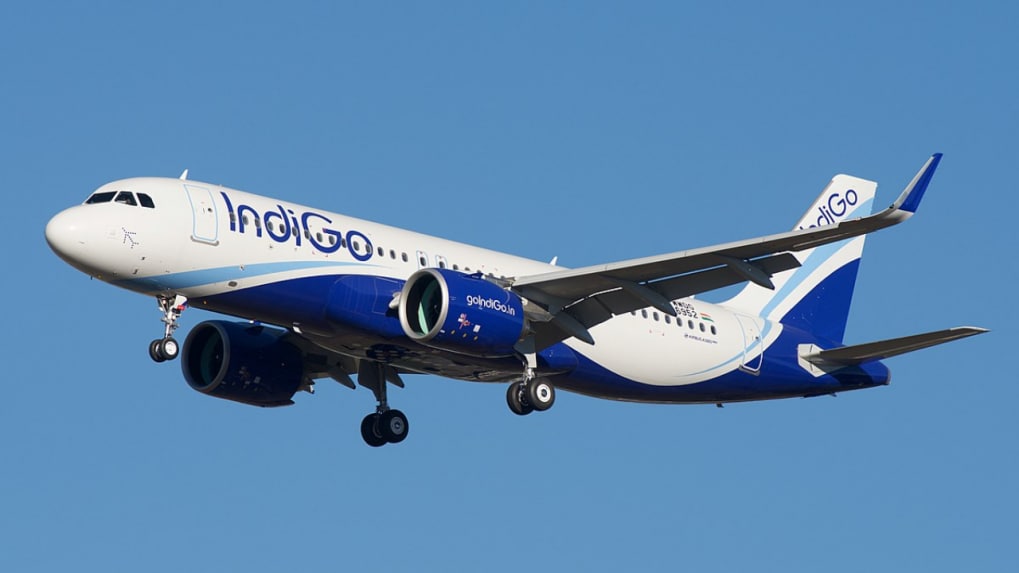
India’s aviation regulator has identified multiple operational shortcomings at IndiGo after deploying a special oversight team to monitor the airline amid continuing disruptions caused by winter fog. The review has also placed a senior expatriate executive, apart from the chief executive, under regulatory examination, with potential action under consideration.
The Directorate General of Civil Aviation (DGCA) had formed a panel of eight flight operations inspectors (FOIs) to closely supervise IndiGo’s functioning until operational stability is restored. The panel’s assessment has reportedly pointed to weaknesses in the airline’s Operations Control Centre (OCC), which plays a central role in flight planning and crew deployment.
As a result, IndiGo is currently issuing pilot rosters only 48 hours in advance, a significant deviation from standard industry practice. This short-term rostering is expected to remain in place until the OCC systems are fully stabilised.
Operational pressure has intensified due to prolonged low-visibility conditions across several northern airports, including Delhi, Amritsar and Lucknow. These conditions require pilots certified for low-visibility landings to be scheduled during early-morning and late-night slots, further complicating crew planning and aircraft utilisation.
At the same time, the DGCA is grappling with internal unease among flight operations inspectors. Four FOIs were recently removed after being accused of failing to flag or prevent the airline’s operational lapses. According to the report, several inspectors believe responsibility is being unfairly shifted onto them for broader systemic failures, leading to discontent and even talk of resignations.
To reduce inconvenience to passengers, the regulator has encouraged airlines to cancel flights in advance rather than wait for last-minute disruptions. IndiGo has already cancelled services on the Ahmedabad–Hindon and Hindon–Varanasi routes as part of this approach.
Winter-related restrictions have also affected Hindon Airport, where flight movements have been sharply reduced. From handling about 25 arrivals and departures during the summer schedule, the airport is now operating at less than half that capacity due to visibility constraints and limited parking availability. IndiGo has cancelled two additional Hindon flights until February.
The knock-on effect of IndiGo’s capacity reduction has prompted rival carriers to seek clarity from the government. Akasa Air has asked for a timeline on how long the cuts will last so it can plan supplementary services, though its fleet is currently operating at near-full utilisation. The airline is expected to gain some flexibility only after another aircraft is inducted later this month.
Air India has proposed operating several hundred additional flights to offset the shortfall. However, aviation officials acknowledge that other carriers can only partially compensate for IndiGo’s reduced operations, making the restoration of normal services at the country’s largest airline critical to stabilising the winter travel schedule.
From purpose-driven work and narrative-rich brand films to AI-enabled ideas and creator-led collaborations, the awards reflect the full spectrum of modern creativity.
Read MoreThe Storyboard18 Awards for Creativity have unveiled a Grand Jury comprising some of India’s most influential leaders across advertising, business, policy and culture, positioning it among the country’s most prestigious creative award platforms.