Advertising
From Pink Slips to Silent Sidelining: Inside adland’s layoff and anxiety crisis
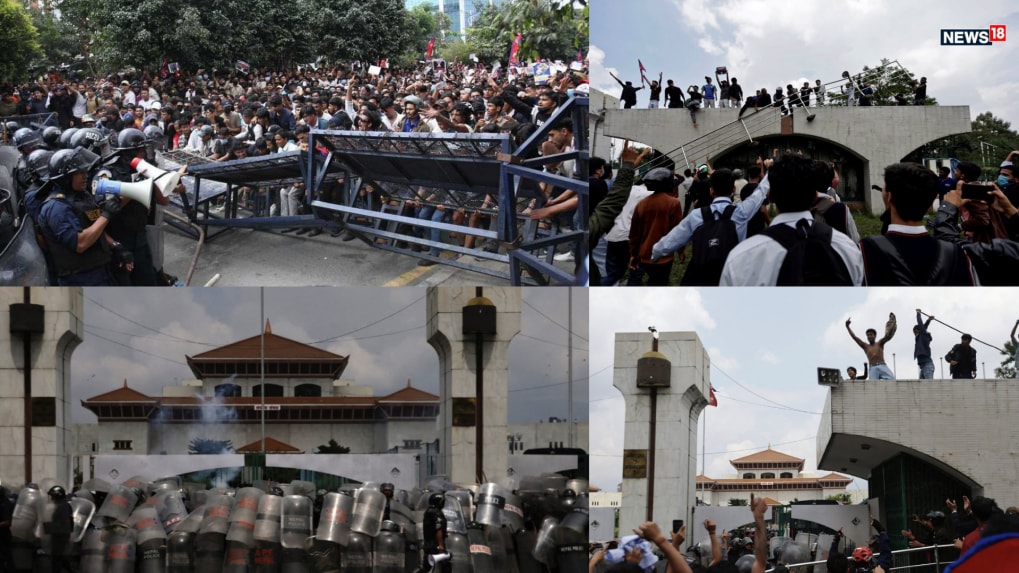
Nepal’s government has lifted its controversial social media ban after nationwide protests spiralled into violence, leaving at least 19 people dead and more than 300 injured, as per news18.
Prime Minister KP Sharma Oli announced the reversal on Monday, saying the administration was not opposed to social media use and had never intended to curb free expression. “The government was not negative towards the demands put forth by the Gen Z generation. We were listening,” Oli said in a statement, blaming the deadly turn of events on “infiltration from various interest centres” within the demonstrations.
The unrest erupted after the government imposed a sweeping ban on platforms including X, Facebook and Instagram, citing their failure to register with Nepal’s authorities. Thousands of young people, including school students, took to the streets in Kathmandu and other cities such as Pokhara, Butwal, Bhairahawa, Bharatpur, Itahari and Damak, demanding the ban’s withdrawal and calling for an end to corruption.
Demonstrators gathered in front of Parliament in central Kathmandu, chanting anti-government slogans. The Kathmandu Post reported that hospitals across the country were overwhelmed, treating at least 347 injured protesters across facilities including Civil Hospital, Trauma Centre, Everest Hospital and Bir Hospital.
In the aftermath of the violence, Home Minister Ramesh Lekhak resigned, citing moral responsibility. The government has also pledged to establish a committee to investigate the clashes during the Gen Z-led protests.
The episode marks one of the most significant youth-driven movements in Nepal in recent years, underscoring growing frustrations over governance, corruption and restrictions on digital freedoms.
From purpose-driven work and narrative-rich brand films to AI-enabled ideas and creator-led collaborations, the awards reflect the full spectrum of modern creativity.
Read MoreLooking ahead to the close of 2025 and into 2026, Sorrell sees technology platforms as the clear winners. He described them as “nation states in their own right”, with market capitalisations that exceed the GDPs of many countries.