Advertising
From Pink Slips to Silent Sidelining: Inside adland’s layoff and anxiety crisis
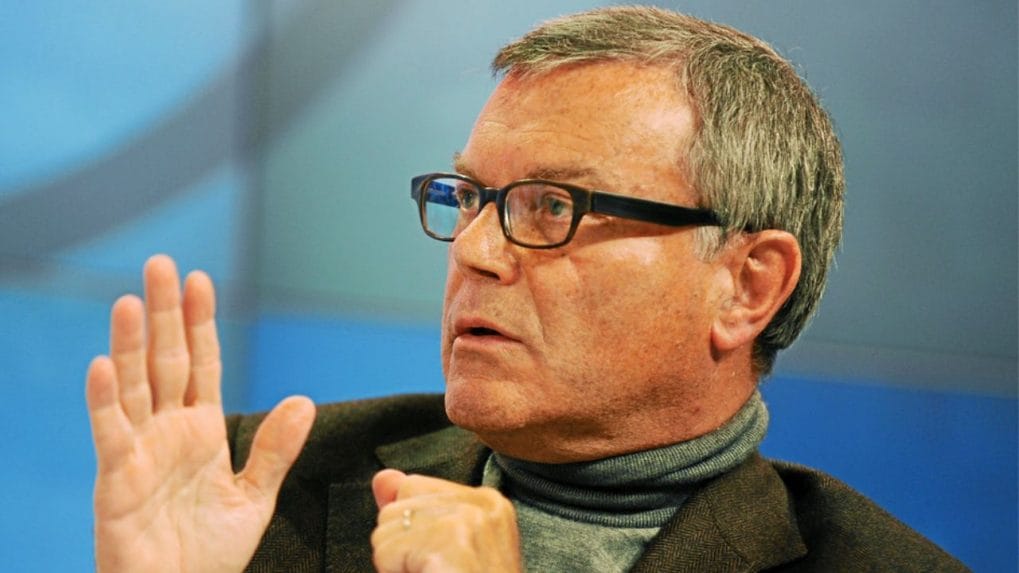
Influencer marketing is not fragmenting the media landscape but is instead reinforcing the dominance of large digital platforms, according to Martin Sorrell, Chairman of S4Capital.
Speaking to Moneycontrol at the World Economic Forum in Davos, Sorrell said the rise of the creator economy is accelerating the broader structural shift of advertising budgets toward digital channels.
“It drives more into the digital space. It makes that $700 billion digital segment even more important,” Sorrell said, referring to the global advertising market.
He pointed out that digital advertising is now the largest and fastest-growing part of the industry, expanding at 10 to 20 percent annually. “The numbers are huge. Google is close to $300 billion in ad revenue. Meta is heading toward $175 to $200 billion, Amazon is around $65 to $70 billion, and TikTok outside China is trending toward $50 billion. That’s where the game is being played,” he added.
Sorrell rejected the common view that the rise of influencers is fragmenting media consumption.
“A lot of people say the marketplace is fragmenting. I don’t agree. It’s actually getting more consolidated around the big platforms,” he said.
Influencers, he noted, are an increasingly important part of the digital ecosystem, operating across platforms such as YouTube, TikTok and Instagram. But their growth ultimately strengthens the dominance of these tech giants rather than weakening it.
“Influencers are part of that digital economy – a growing part – but they sit inside a much bigger structural move to digital,” Sorrell said.
From purpose-driven work and narrative-rich brand films to AI-enabled ideas and creator-led collaborations, the awards reflect the full spectrum of modern creativity.
Read MoreLooking ahead to the close of 2025 and into 2026, Sorrell sees technology platforms as the clear winners. He described them as “nation states in their own right”, with market capitalisations that exceed the GDPs of many countries.