Advertising
From Pink Slips to Silent Sidelining: Inside adland’s layoff and anxiety crisis
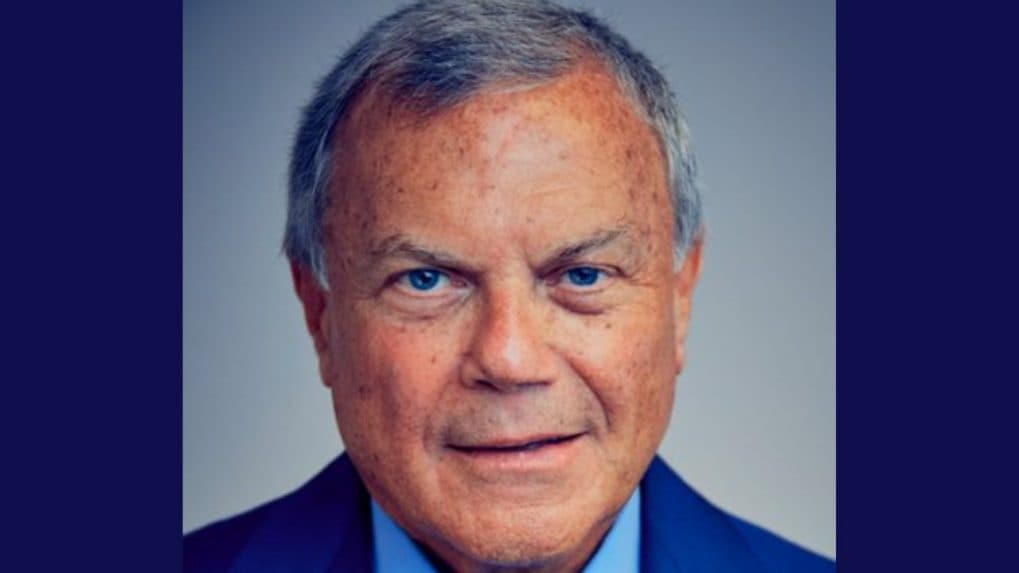
The proposed merger between advertising giants Omnicom and IPG is a defensive move focused on cutting costs rather than driving growth, according to Martin Sorrell, Chairman of S4Capital.
Speaking at the World Economic Forum in Davos, Sorrell described the deal as a response to stagnation in the traditional advertising business rather than a strategic leap forward.
“This is because Omnicom was flat and IPG was going down the tubes,” he told Moneycontrol. “It’s not like Netflix and Warner Bros. Discovery getting together. It’s more like Paramount and Warner Bros. Discovery – a contraction of capacity.”
Sorrell said the primary logic of the merger is to reduce overlap and create efficiencies in a shrinking part of the ad market.
“I would call it a defensive merger. It’s not about top-line growth. It’s about cost management and reduction of capacity,” he said.
While the deal may help Omnicom strengthen its position in the US market, Sorrell warned that integration will be complex and disruptive.
“It will take them two years to sort it out. They’ve reduced headcount from 127,500 to a projected 104,000. There’s a bit of mayhem there,” he said.
He also expressed skepticism about claims that the merger would improve technological capabilities.
“It doesn’t do much on the AI front for Omnicom. It doesn’t do much on the data front either. They make a noise about it, but I don’t think it does,” Sorrell said.
The main benefit, he argued, will be in negotiating leverage in traditional media buying. “When they negotiate with Disney, Fox, NBC or CBS, they’ll get a bit more traction. But in the digital space, I’m not sure it does much for them.”
From purpose-driven work and narrative-rich brand films to AI-enabled ideas and creator-led collaborations, the awards reflect the full spectrum of modern creativity.
Read MoreLooking ahead to the close of 2025 and into 2026, Sorrell sees technology platforms as the clear winners. He described them as “nation states in their own right”, with market capitalisations that exceed the GDPs of many countries.