Advertising
From Pink Slips to Silent Sidelining: Inside adland’s layoff and anxiety crisis
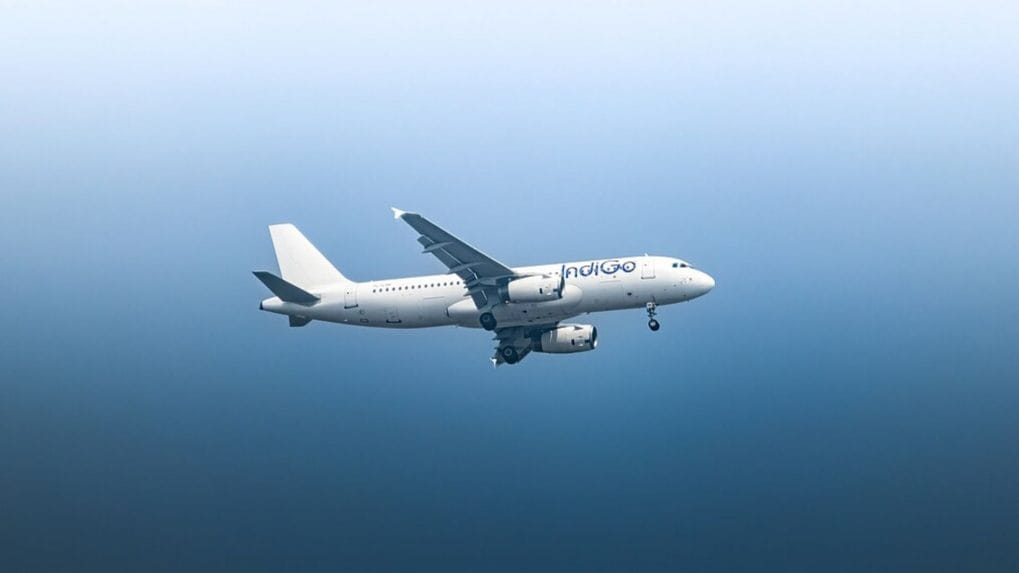
India’s largest airline, IndiGo, faced a major operational breakdown on December 3, with more than 200 flights cancelled and several delayed across the country. The widespread disruption caused long queues at airports, missed connections, and hours-long waiting times, prompting passenger frustration and regulatory scrutiny.
According to IndiGo, a combination of “unforeseen operational challenges” led to the collapse in schedules. These included minor technology glitches, winter-season adjustments, airspace congestion and the impact of new Flight Duty Time Limitation (FDTL) norms for crew. The airline said these factors “had a negative compounding impact… not feasible to be anticipated.”
Passengers describe delays as ‘punishment’
At several airports, passengers reported prolonged delays even after landing. One traveller wrote that in the past ten days, flying the airline had become “nothing less than a punishment,” describing being stuck inside the aircraft for over 40 minutes waiting for a parking bay.
Another flyer, whose journey involved a last-minute cancellation, said their flight was scrapped barely six hours before departure, and the rescheduling link sent by the airline “didn’t work at all.” The passenger added that customer support was unreachable and called the airline’s AI chatbot “completely useless,” criticising IndiGo for rolling out tech tools “without understanding how to build reliable, user-centric systems.”
Operational strain across major hubs
Major airports including Delhi, Mumbai, Bengaluru, Hyderabad and Chennai saw heavy crowding. In Hyderabad alone, more than 40 flights were cancelled in 24 hours, while Bengaluru reported over 40 cancellations as well. Multiple passengers described packed terminals and last-minute gate changes.
One frustrated passenger wrote that the situation had turned into “massive crowding, long queues and frustration,” adding that the scale of cancellations indicated a deeper, structural gap, particularly in crew availability.
The crew-shortage factor
Industry observers noted that the disruption coincides with the enforcement of revised FDTL norms mandating stricter limits on pilot flying hours and night operations. Because IndiGo has maintained a lean crew buffer, around 4%, according to industry estimates, the new norms appear to have intensified staff-availability challenges.
DGCA steps in
The aviation regulator DGCA has sought a detailed explanation from IndiGo and asked the airline to submit its mitigation plan. The regulator is also reviewing the airline’s rostering and recovery processes.
IndiGo has said a “48-hour calibrated schedule adjustment” is underway, during which flights will be consolidated to stabilise operations. Passengers are being offered alternative travel arrangements or refunds.
Larger questions for India’s aviation sector
The incident highlights a systemic issue: pilot supply in India has not kept pace with demand. With India being the world’s fastest-growing aviation market, estimates suggest the country will need around 30,000 new pilots over the next decade, but infrastructure, training capacity and financing remain limited.
IndiGo expects operations to stabilise in the coming days as additional crew is brought in and schedules are realigned. However, industry analysts warn that unless airlines significantly expand pilot and crew strength, similar disruptions may.
From purpose-driven work and narrative-rich brand films to AI-enabled ideas and creator-led collaborations, the awards reflect the full spectrum of modern creativity.
Read MoreLooking ahead to the close of 2025 and into 2026, Sorrell sees technology platforms as the clear winners. He described them as “nation states in their own right”, with market capitalisations that exceed the GDPs of many countries.