Digital
Why OpenAI is hiring 100 ex-bankers: Inside the ChatGPT-maker's secret project to automate Wall Street's grunt work
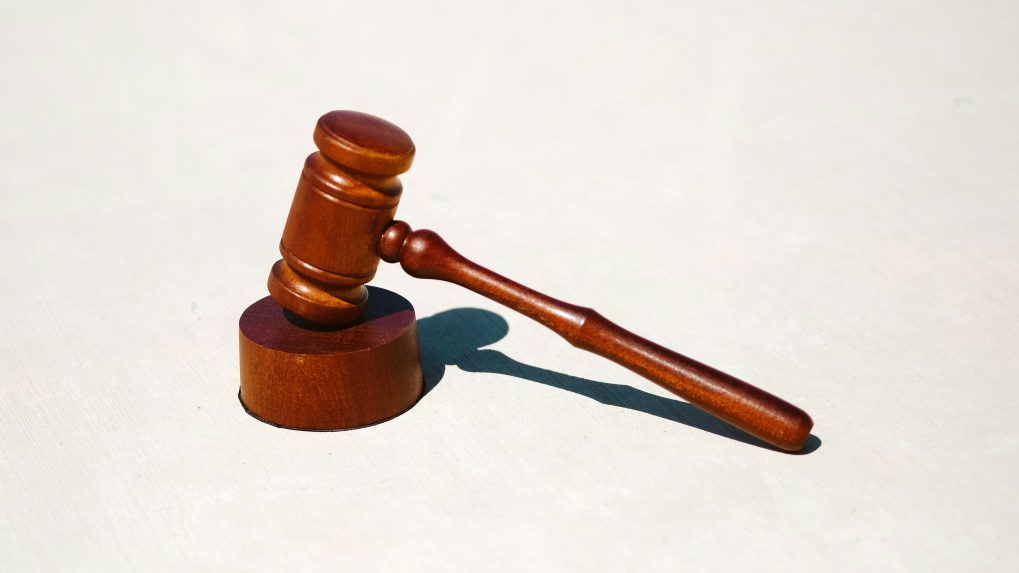
John Carreyrou, the investigative journalist who exposed the Theranos fraud, has filed a lawsuit against several leading artificial intelligence companies, alleging they unlawfully used copyrighted books to train their AI systems without author consent, as per a report by Reuters.
The lawsuit, filed on Monday in a federal court in California, names xAI, Anthropic, Google, OpenAI, Meta Platforms and Perplexity as defendants. Carreyrou, a New York Times reporter and author of the best-selling book Bad Blood, joined five other writers in accusing the companies of copying their works and incorporating them into large language models that power popular AI chatbots.
According to the complaint, the companies built and refined their AI systems by ingesting entire books without permission, depriving authors of control and compensation while generating massive commercial value. The suit marks the first time Elon Musk’s AI venture xAI has been named in a copyright case related to AI training.
Unlike other ongoing lawsuits in this space, the plaintiffs are pursuing individual claims rather than forming a class action. They argue that class actions often allow tech companies to negotiate broad settlements that significantly limit compensation for creators.
“AI developers should not be allowed to wipe out thousands of valuable copyright claims through deeply discounted, one-size-fits-all settlements,” the complaint states.
The case adds to a growing wave of legal challenges from authors, artists and publishers questioning how AI models are trained. In August, Anthropic reached a landmark $1.5 billion settlement with a group of authors who accused the company of copying millions of books. However, Carreyrou and his co-plaintiffs argue that the deal provided only minimal compensation per infringed work, far below what US copyright law allows.
The lawsuit was filed by attorneys from Freedman Normand Friedland, including Kyle Roche, a lawyer previously profiled by Carreyrou in a 2023 New York Times investigation. Roche has been a controversial figure in AI copyright litigation, with a US judge previously criticizing a law firm he co-founded for encouraging authors to opt out of an existing settlement in pursuit of higher payouts.
Carreyrou has been outspoken about the issue, previously describing the unauthorized use of books for AI training as a fundamental ethical failure that settlements alone cannot fully address. The new case is expected to further test how courts balance copyright protections against the rapid expansion of generative AI technologies.
From purpose-driven work and narrative-rich brand films to AI-enabled ideas and creator-led collaborations, the awards reflect the full spectrum of modern creativity.
Read MoreIn a wide-ranging interview with Storyboard18, Sorrell delivers his frankest assessment yet of how the deal will redefine creativity, media, and talent across markets.