How it Works
WPP, Havas, Omnicom: Are advertising’s biggest holdcos recasting agencies as AI Operating Systems?
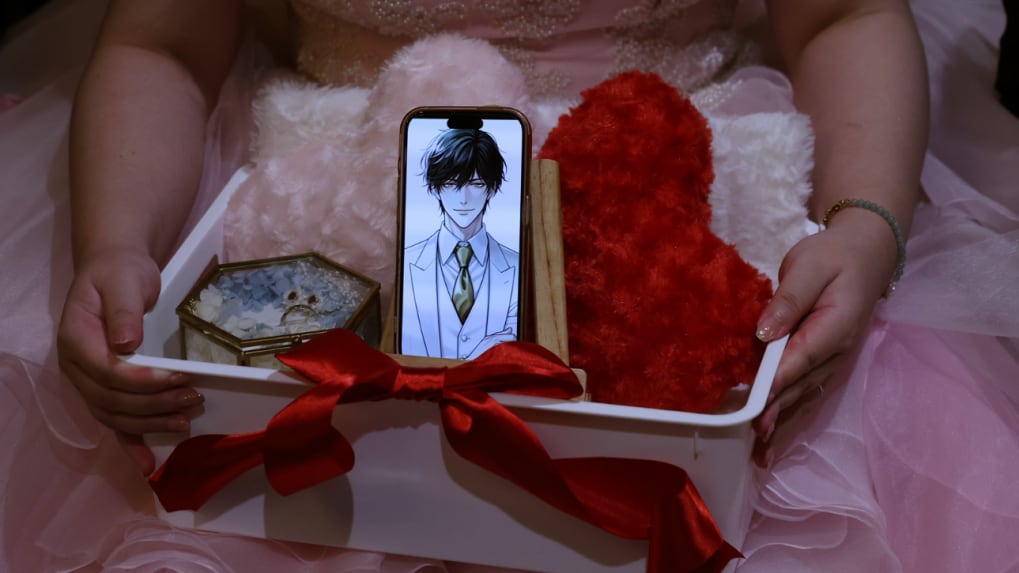
A ceremonial wedding held in western Japan has brought renewed attention to the evolving relationship between humans and artificial intelligence, after a woman formally married an AI-generated partner in a celebration blending traditional rituals with digital technology.
The ceremony took place at a wedding venue in Okayama, where the bride, dressed in formal bridal attire, marked her union with an AI persona displayed on a smartphone. Assisted by event staff and supported by augmented reality tools, the ceremony followed the familiar structure of a wedding, despite the groom existing only in digital form.
The relationship reportedly developed over time through repeated interactions with conversational AI, eventually evolving into an emotionally significant bond. Through ongoing refinement, the bride customised the AI’s personality, speech patterns and responses, creating a partner that aligned closely with her emotional needs. The decision to hold a wedding ceremony was described as a personal milestone rather than a legal union.
Such ceremonies are not recognised under Japanese law, but industry professionals say interest in weddings involving virtual or fictional characters has been steadily increasing. Dedicated planners now cater specifically to clients seeking ceremonies with digital or two-dimensional partners, reflecting a niche that is gradually becoming more visible.
The trend exists against a backdrop of declining marriage rates and rising social isolation in Japan. Data from recent surveys indicate that a growing number of people are turning to AI chat systems as emotional outlets, sometimes valuing them more highly than traditional personal relationships due to their constant availability and non-judgmental interaction.
Researchers and ethicists say AI-driven companionship presents both opportunities and risks. On one hand, emotionally responsive AI can offer stability, comfort and a sense of connection, particularly for individuals facing loneliness or emotional distress. On the other, concerns remain around over-reliance, reduced human interaction and the long-term psychological effects of forming deep attachments to non-human entities.
Technology companies have responded unevenly, with some platforms placing restrictions on romantic or emotionally exclusive use cases, while others focus on user advisories and usage limits. The broader debate continues as AI becomes more sophisticated and emotionally responsive.
In this case, the bride has stated that clear boundaries were established to prevent excessive dependence, including limiting daily AI interaction and ensuring the digital partner encourages engagement with real-world responsibilities.
As artificial intelligence becomes increasingly woven into daily life, ceremonies like this highlight how technology is reshaping not only communication and work, but also deeply personal experiences such as love, companionship and emotional well-being.
From purpose-driven work and narrative-rich brand films to AI-enabled ideas and creator-led collaborations, the awards reflect the full spectrum of modern creativity.
Read MoreThe Storyboard18 Awards for Creativity have unveiled a Grand Jury comprising some of India’s most influential leaders across advertising, business, policy and culture, positioning it among the country’s most prestigious creative award platforms.