How it Works
WPP, Havas, Omnicom: Are advertising’s biggest holdcos recasting agencies as AI Operating Systems?
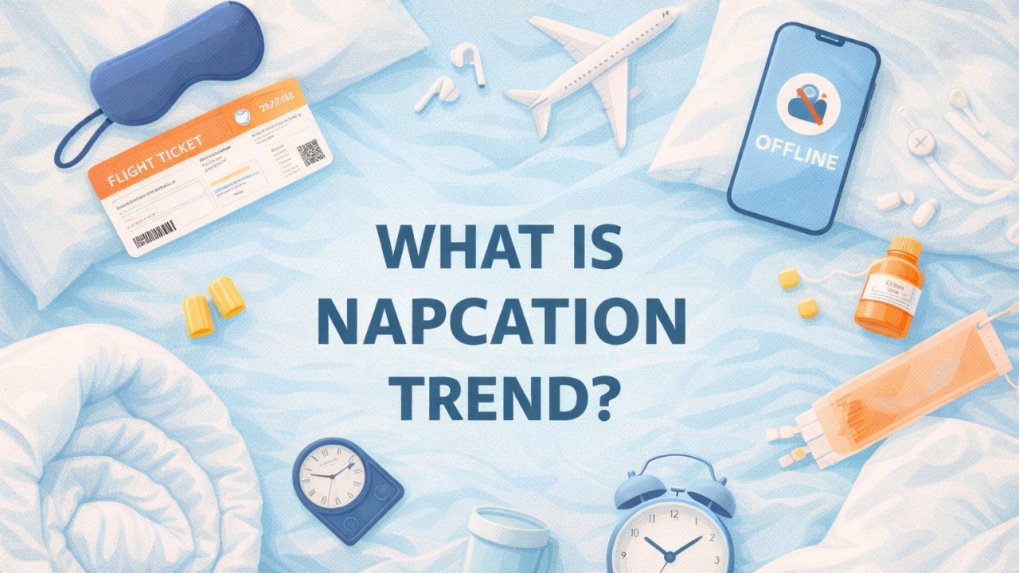
A new kind of holiday is gaining traction around the world — one focused not on sightseeing, but on rest. Known as a napcation, this trend reflects a broader shift in how people think about travel and wellbeing.
What Is a Napcation?
A napcation — a blend of “nap” and “vacation” — is a type of travel experience designed primarily for rest and recovery rather than traditional sightseeing or packed itineraries. Instead of planning back-to-back activities, visitors on a napcation prioritise sleep, relaxation and unstructured time in quiet, comfortable settings, often in accommodations that emphasise calm, minimal stimulation and comfort. This style of travel is part of a larger idea often referred to as sleep tourism — where the main purpose of a trip is to improve sleep and rejuvenate the body and mind.
Why Are Napcations Growing in Popularity?
The rise of napcations is closely tied to modern lifestyle pressures. In fast-paced, always-connected societies, work demands, digital engagement and stress have left many travellers feeling chronically tired and overwhelmed. Instead of traditional holidays that feel like mini-workloads, people are increasingly seeking restful escapes where sleep and quiet time are the priorities. Experts note that this shift reflects broader changes in travel preferences, with many travellers now seeking experiences that restore balance and wellbeing rather than simply checking off tours and attractions.
According to a Hindustan Times report, sleep tourism — including napcations — has become a significant part of the global travel market, projected to grow substantially as more people prioritise self-care and health during trips.
Who Is Choosing Napcations and Why?
Napcations appeal to a wide range of travellers, but particularly to those facing burnout, sleep deprivation or stress at work. Millennials and Gen Z, who often juggle busy schedules, remote work boundaries and constant digital engagement, find this kind of travel especially appealing as it gives them permission to prioritise rest without feeling guilty about doing “nothing.” In many cases, napcations are seen as a restorative response to fast-paced lifestyles, where the goal is not productivity but relaxation and reconnection with oneself.
Hotels and resorts have noticed this shift and are beginning to tailor offerings — such as soundproof rooms, blackout curtains, and quiet hours — to make napping and restful sleep more comfortable during a stay. These features reflect that napcations are not just about sleep, but about creating an environment where stress and stimulation are minimised.
As travel trends continue to evolve, napcations highlight a growing focus on wellbeing over busyness. Whether a fad or part of a lasting shift, this trend shows how travellers are rethinking what it means to take a break — not to see more, but to rest more.
From purpose-driven work and narrative-rich brand films to AI-enabled ideas and creator-led collaborations, the awards reflect the full spectrum of modern creativity.
Read MoreThe Storyboard18 Awards for Creativity have unveiled a Grand Jury comprising some of India’s most influential leaders across advertising, business, policy and culture, positioning it among the country’s most prestigious creative award platforms.