Advertising
From Pink Slips to Silent Sidelining: Inside adland’s layoff and anxiety crisis
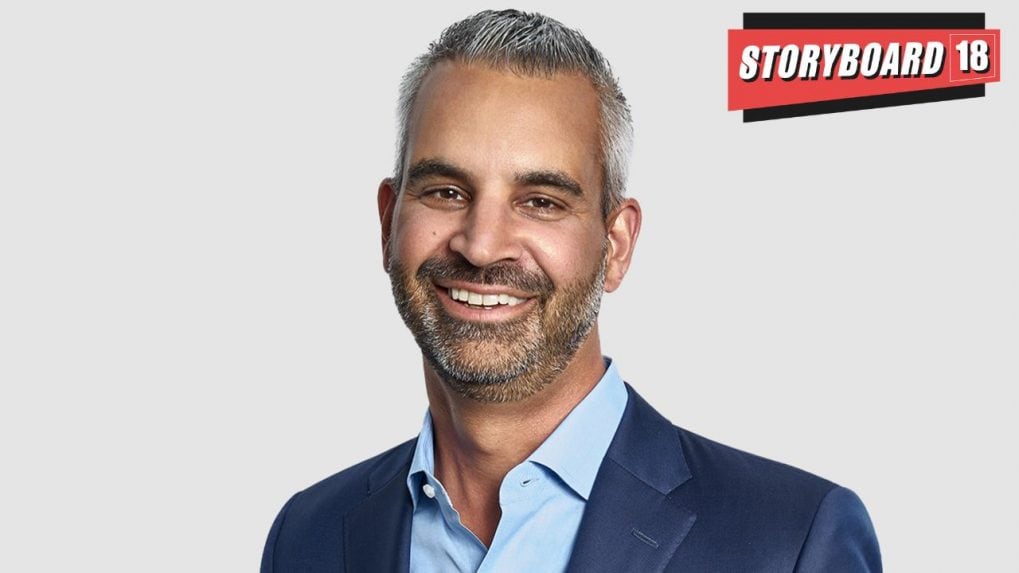
For all the talk at CES about artificial intelligence, immersive worlds and the next generation of consumer technology, Brian Lesser, the chief executive of WPP Media, returned to a simpler proposition: media still sits at the center of how brands grow.
Speaking on panels and in conversations across the conference, Lesser framed the current moment as paradoxical. Reaching audiences, he argued, has never been more difficult — fractured platforms, rising costs and shortened attention spans have turned distribution into a high-stakes puzzle. Yet the outcomes that modern media can deliver, from measurable returns on investment to culture-shaping reach, remain unusually powerful.
The difference, he suggested, lies in how imagination is now paired with intelligence. Data, technology and creativity are no longer sequential inputs in the marketing process but interdependent forces. When they work together, media can still produce results that feel, in his words, “magical” — not because the tools are novel, but because they are finally integrated.
That theme surfaced repeatedly in Lesser’s conversation with Buzz Hays, the longtime entertainment executive and strategist. Despite waves of innovation — from programmatic buying to generative AI — the core challenge has stayed the same. The hardest part of marketing transformation, Lesser said, is not adopting new technology, but believing in what it can unlock.
“It’s always media,” he argued, pointing to the industry’s long history of reinvention. The real leap, he suggested, is cultural: trusting systems that learn, optimize and evolve faster than traditional planning cycles ever allowed.
CES also provided a glimpse into how those systems are reshaping the relationship between brands and audiences, particularly through fandom. In a panel discussion featuring figures from sports and consumer brands, including soccer star Alex Morgan and marketers from Electronic Arts and Unilever, the focus shifted from reach to connection.
Fandom, Lesser noted, is no longer confined to stadiums or screens. It is built across physical and virtual environments, sustained by communities that interact with each other as much as with brands themselves. Designing those ecosystems — and showing up in ways that feel authentic rather than transactional — has become one of marketing’s most complex challenges.
The implications extend beyond entertainment and sports. In an economy increasingly shaped by artificial intelligence, WPP Media’s growth strategy, Lesser said, is anchored in placing data and technology at the core of decision-making, using media intelligence to inform creative work, and learning quickly without sacrificing durability.
The brands that succeed, he argued, will behave less like campaign planners and more like system architects — building frameworks that can withstand disruption rather than chasing fleeting moments of relevance.
From purpose-driven work and narrative-rich brand films to AI-enabled ideas and creator-led collaborations, the awards reflect the full spectrum of modern creativity.
Read MoreLooking ahead to the close of 2025 and into 2026, Sorrell sees technology platforms as the clear winners. He described them as “nation states in their own right”, with market capitalisations that exceed the GDPs of many countries.