Advertising
From Pink Slips to Silent Sidelining: Inside adland’s layoff and anxiety crisis
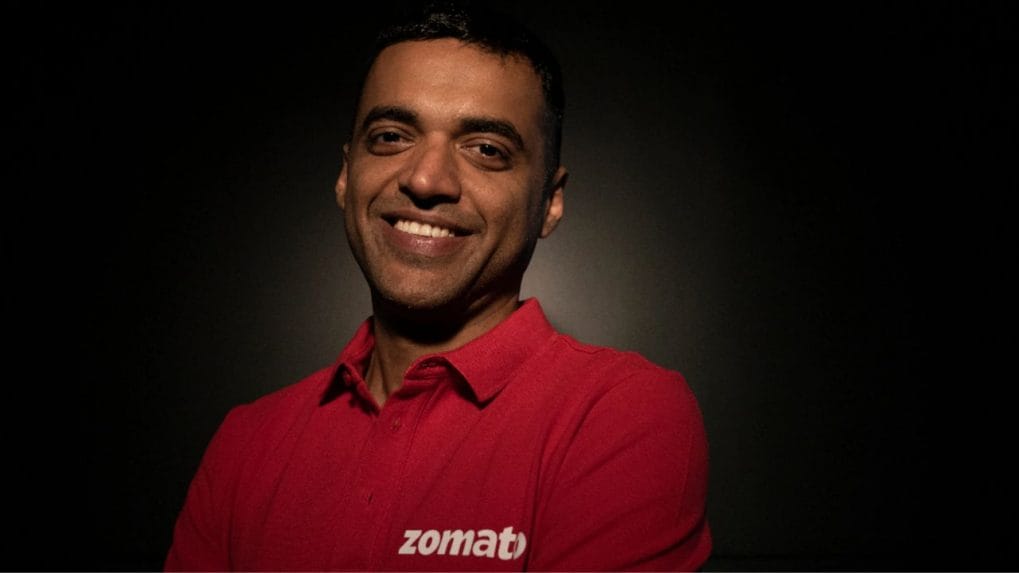
On New Year’s Eve, as delivery workers across India called for nationwide strikes, two of the country’s largest consumer platforms were operating at full throttle.
Deepinder Goyal, the co-founder and chief executive of Eternal, said that Zomato, its food delivery business, and Blinkit, its quick-commerce arm, recorded their highest-ever delivery volumes on December 31, with operations largely unaffected by the labour protests. In a post on X, Goyal said more than 450,000 delivery partners completed over 7.5 million orders for roughly 6.3 million customers — a single-day record across the two platforms.
The performance, he said, came without any additional incentives beyond those typically offered on New Year’s Eve, and was supported by coordination with local law enforcement and on-ground operations teams. “Zomato and Blinkit delivered at a record pace yesterday, unaffected by calls for strikes,” Goyal wrote.
His comments follow strike calls on December 25 and December 31 by the Telangana Gig and Platform Workers Union and the Indian Federation of App-Based Transport Workers, which have been pressing for higher pay, better working conditions and clearer social security protections for gig workers. Platform companies said the earlier protest led to only limited, localised disruptions. Worker unions, however, said participation was far broader, estimating that about 40,000 workers joined the December 25 action and roughly 170,000 participated in the December 31 strike, causing delivery delays in several cities.
In anticipation of heavy holiday demand, food delivery platforms had announced higher peak-hour incentives in the days leading up to New Year’s Eve to ensure rider availability. Goyal said payouts on December 31 were in line with previous years and not a response to the strike calls.
Rival platform Swiggy also reported a surge in activity despite the labour unrest. In a series of posts on X, Phani Kishan, Swiggy’s co-founder, highlighted sharp spikes across categories on its quick-commerce service, reflecting the platform’s growing role in last-minute, occasion-driven shopping.
Searches for grapes — a staple of New Year’s celebrations — rose fifteenfold on December 31, with about 235,000 searches beginning as early as 5 a.m., Kishan said. Demand accelerated through the evening, as consumers turned to quick commerce for party essentials.
src="https://www.linkedin.com/embed/feed/update/urn:li:share:7412435116674883584" height="707" width="504" frameborder="0" allowfullscreen="" title="Embedded post">
According to Swiggy, cake sales were up sevenfold, barbecue-related items rose sixfold, beverages increased 3.5 times and party glasses climbed 2.5 times compared with a typical day. Pizza bases, calendars and planners also saw elevated demand, while snacks and mixers dominated late-evening orders. The platform’s largest single order of the night, Kishan said, included two iPhones worth roughly ₹1.8 lakh.
The surge was not limited to major cities. Swiggy reported strong New Year’s Eve demand from tier-two and tier-three towns, including Lonavala, Karimnagar, Saharanpur, Davanagere, Patiala and Meerut — underscoring how quick commerce has expanded beyond India’s largest metros.
Goyal also addressed criticism from labour groups, pushing back against claims that gig platforms are structurally unfair to workers. “If a system were fundamentally unfair, it would not consistently attract and retain so many people who choose to work within it,” he wrote, warning against what he described as narratives driven by vested interests.
He characterised the gig economy as one of India’s largest organised job-creation engines, arguing that its effects would extend beyond immediate earnings as delivery workers’ families gain from steadier incomes and access to education — even as debates over worker protections and platform accountability continue to intensify.
From purpose-driven work and narrative-rich brand films to AI-enabled ideas and creator-led collaborations, the awards reflect the full spectrum of modern creativity.
Read MoreLooking ahead to the close of 2025 and into 2026, Sorrell sees technology platforms as the clear winners. He described them as “nation states in their own right”, with market capitalisations that exceed the GDPs of many countries.