
From heroes to expendable: Gig economy fault lines widen as Swiggy, Zomato, Zepto face worker backlash
According to TGPWU and IFAT, workers who were once paid Rs 80 per order across platforms now earn as little as Rs 5–10 per order, triggering widespread distress and repeated strikes, including the nationwide protest on December 25.

ADVERTISEMENT
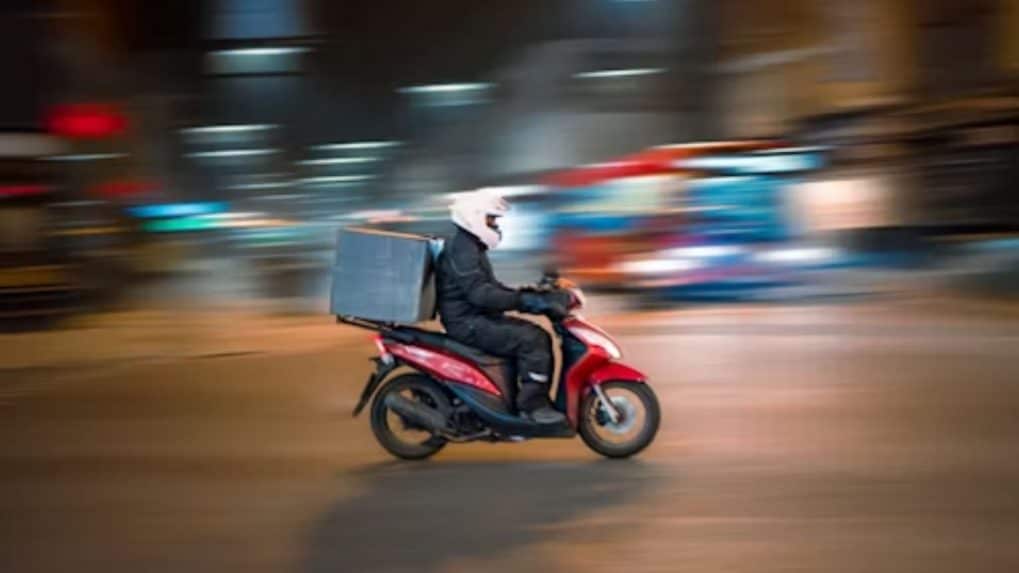
Gig economy delivery partners across India are continuing a nationwide strike on December 31, 2025, involving major platforms including Swiggy, Zomato, Zepto, Blinkit, Amazon and Flipkart. The industrial action, organised by the Telangana Gig and Platform Workers Union (TGPWU) and the Indian Federation of App-Based Transport Workers (IFAT), follows a previous walkout on December 25.
According to Shaik Salauddin, founder president of the Telangana Gig and Platform Workers Union (TGPWU) and co-founder and national general secretary of the Indian Federation of App-Based Transport Workers (IFAT), the earnings of delivery workers have collapsed over the past few years even as companies continue to scale advertising spends and push ultra-fast delivery promises.
Salauddin said workers who were once paid ₹80 per order across platforms now earn as little as ₹5–10 per order, triggering widespread distress and repeated strikes, including the nationwide protest on December 25.
“Earlier all platforms paid Rs 80 per order. Then it became Rs 60, then Rs 40, then Rs 20. Now it has fallen to Rs 5 or Rs 10 per order. This is what our entire fight is about. How can a worker survive on ₹5 per order?” Salauddin told Storyboard18.
Despite the strike and repeated appeals, Salauddin said no platform company has responded so far. “Zomato, Blinkit, Zepto, Amazon, Flipkart — not a single company has come forward to even sit and discuss these issues with us,” he said.
“We urge the Hon’ble Centre and State Labour Ministers to urgently act on gig workers’ issues—unfair payouts, unsafe 10-minute delivery models and arbitrary ID blocking. Ahead of the 31 Dec National Strike, convene an immediate meeting with unions and platforms.” pic.twitter.com/Ob81ukv3tq
— Telangana Gig and Platform Workers Union (@TGPWU) December 28, 2025
According to Salauddin, the core demands of the unions include restoring earlier pay structures, scrapping the 10-minute delivery model, ending arbitrary blocking of worker IDs, reducing excessive algorithmic control, and ensuring social security and transparency in payments.
The 10-minute delivery model, he said, has significantly increased road risks for delivery workers. “These timelines are unrealistic and unsafe. They increase pressure, stress and the likelihood of accidents. But when Swiggy releases its year-end report talking about biryani orders and condom sales, there is no report on how many delivery workers were injured or killed on the roads this year. Why is that?” Salauddin asked.
He also questioned platform spending priorities. “Zomato has enough money to run huge advertising campaigns with celebrities, but not enough money to pay workers fairly,” he said.
Salauddin stressed that the unions are not seeking employee status at this stage. “We are not asking for Employee State Insurance (ESI) or Provident Fund (PF) immediately. Those discussions are happening separately with governments. Our demands today are about survival, safety and dignity,” he said.
He added that while platforms introduce minimum business guarantees during high-demand periods such as New Year, Christmas, Ramzan, Diwali and IPL seasons, those protections disappear once the rush subsides even though workloads remain high. “We are asking that this support should be permanent, not only during festivals or special events,” he said.
Storyboard18 reached out to Blinkit, Swiggy and Zepto for their response to the workers’ allegations and demands, but had not received an official statement from any of the companies at the time of publishing.