How it Works
WPP, Havas, Omnicom: Are advertising’s biggest holdcos recasting agencies as AI Operating Systems?
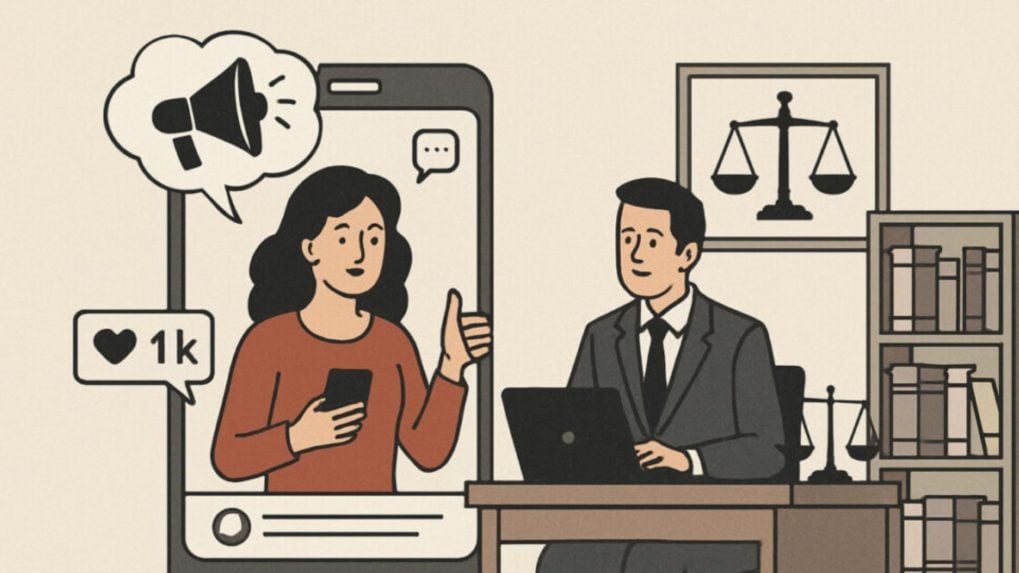
In November, the Delhi High Court upheld entrepreneur and podcaster Raj Shamani’s personality rights, ordering the removal of unauthorised posts that misused his image, likeness, and voice without consent.
The court also affirmed Shamani’s copyright protection over his podcast ‘Figuring Out with Raj Shamani’, recognising his exclusive rights over the registered trademark “FIGURING OUT.” Further, the HC restrained unauthorised use, sharing, hosting, or streaming of his content.
Shamani’s case is far from isolated.
In 2023, British-Indian influencer Zara Patel became the victim of a deepfake when her original Instagram video was altered to superimpose actor Rashmika Mandanna’s face. The manipulated clip spread rapidly online.
Similarly, West Bengal-based digital creator Sofik SK saw his rights infringed when a video—showing him in a staged liplock—was edited and circulated as genuine.
In another disturbing case, Meghalaya-based Instagram influencer Sweet Zannat found herself at the centre of a viral MMS controversy. A 19-minute AI-generated deepfake video featuring an Instagram couple falsely identified the woman as Zannat, triggering widespread outrage and misinformation.
Fake Channels, Real Damage
According to an influencer marketing expert, impersonation extends beyond deepfakes.
“On YouTube, there are many fake channels claiming to be new channels of creators, reposting the same content for views and engagement,” the expert said.
He added, “Many people became victims of online scams selling smartphones at discounted prices or stocks. These pages mostly use pictures of famous creators and falsely claim they are promoting those products or services.”
“The order recognises that modern creators have built substantial goodwill and economic value in their name, image, voice, likeness, persona and brand identity,” explains Siddharth Chandrashekhar, special public prosecutor at the Bombay High Court.
He highlighted, “These are commercial assets and reputational equity leveraged via digital platforms that can be easily misused if not protected.”
As Chandrashekhar puts it simply, “Everything they sell—attention, endorsements, audience trust—flows from that identification.”
Creators as Businesses
Prashant Nagar, founder of influencer marketing and talent management agency Digiwhistle, explains that a creator’s identity today functions as a business asset.
“As creators build edtech platforms, finance apps, merchandise, communities, and paid courses, their identity becomes a real business asset—starting from their voice, face, style, opinions, and personality,” he said.
Nagar emphasised that creators grow on trust, and impersonation—whether through deepfakes, fake endorsements, or fraudulent courses—erodes that trust, directly affecting brand collaborations.
He cited finfluencers as a prime example, many of whom face fake Telegram group scams that cause followers to lose money.
Why the Courts Are Stepping In Now
According to Snigdha Sharma, Founding Partner at Meghlex Legal Services, creators monetise authenticity.
“Audiences pay for the ‘real’ persona. A fake that undermines authenticity or causes reputational damage directly threatens income,” she said.
She added, “Most brands rely on authenticity and brand safety. A creator’s association with objectionable AI content can kill deals—often their only source of income.”
Chandrashekhar notes that AI-generated synthetic media has made impersonation cheap and scalable. He states, “A video or audio deepfake can reach millions in minutes. Commercial ecosystems increasingly trade on creator persona.”
“What is notable about Raj Shamani’s case is that the plaintiff is a content creator, not a film star,” Sharma pointed out.
She explained, “The factual focus is explicitly on AI-generated deepfakes, chatbots, and engineered impersonations used for commercial and defamatory misuse. It extends judicial protection squarely into the creator economy.”
What Are Personality Rights?
Personality rights—also known as the right of publicity—are the bundle of personal, reputational, and economic interests a person holds in their identity, explains Chandrashekhar.
Under Indian judicial practice, these include:
- Name and stage name
- Image and likeness, including morphed visuals and deepfakes
- Voice and manner of speaking, including AI voice cloning
- Persona and identifiable traits
- Digital branding elements, such as trademarks and logos
- Goodwill and commercial value tied to endorsements and collaborations
Why Creators Took So Long to Speak Up
Neeha Nagpal, Founding Partner at NM Law Chambers, says creators did not initially see themselves as legal entities.
“Creators waited for precedent showing courts would treat their rights seriously. Many also lack access to high-end legal representation or resources to litigate,” she said.
Chandrashekhar added that until recently, platforms lacked robust takedown mechanisms, making complaints ineffective. He said, “Deepfake technology has only recently become sophisticated enough to cause real damage.”
Are Technical Safeguards Enough?
Nagpal believes watermarks and disclaimers help—but don’t deter criminals.
“Real deterrence comes from legal accountability, not technical warnings,” she said.
Chandrashekhar agreed, adding that watermarks can be stripped and enforcement varies widely across platforms.
Sharma echoed the sentiment, “Digital watermarking and verification badges help, but AI can bypass simple detection.”
Impact on Brand Endorsements
Sharma explained that brands rely on both automated and manual checks.
“If a creator’s name is linked to deepfakes, brands may flag risk, pause campaigns, or exit contracts,” she said.
Moral-turpitude clauses, indemnity demands, and reputational concerns often result in lost income.
The Legal Gaps
Nagpal believes the biggest gap is the absence of a dedicated statute.
“We still rely on privacy, passing off, and trademark logic. There are no explicit rules for AI-generated identity misuse or fast-track takedowns.”
Chandrashekhar concurred, noting that India lacks a codified right of publicity. “Courts are doing patchwork justice—effective, but slow and unsustainable without reform.”
What Creators Must Do Now
Nagpal advises creators to treat their identity like intellectual property: Trademark names and taglines; Monitor impersonation; Restrict AI use contractually; Maintain evidence; Prepare pre-drafted legal notices.
“Speed matters when reputation is attacked,” she warned.
Nagpal concludes, “Personality rights will become the shield law for creators. As AI blurs reality, identity becomes both their greatest asset and biggest vulnerability. Without enforceable rights, creators risk becoming faces without ownership.”
From purpose-driven work and narrative-rich brand films to AI-enabled ideas and creator-led collaborations, the awards reflect the full spectrum of modern creativity.
Read MoreThe Storyboard18 Awards for Creativity have unveiled a Grand Jury comprising some of India’s most influential leaders across advertising, business, policy and culture, positioning it among the country’s most prestigious creative award platforms.