Digital
Why OpenAI is hiring 100 ex-bankers: Inside the ChatGPT-maker's secret project to automate Wall Street's grunt work
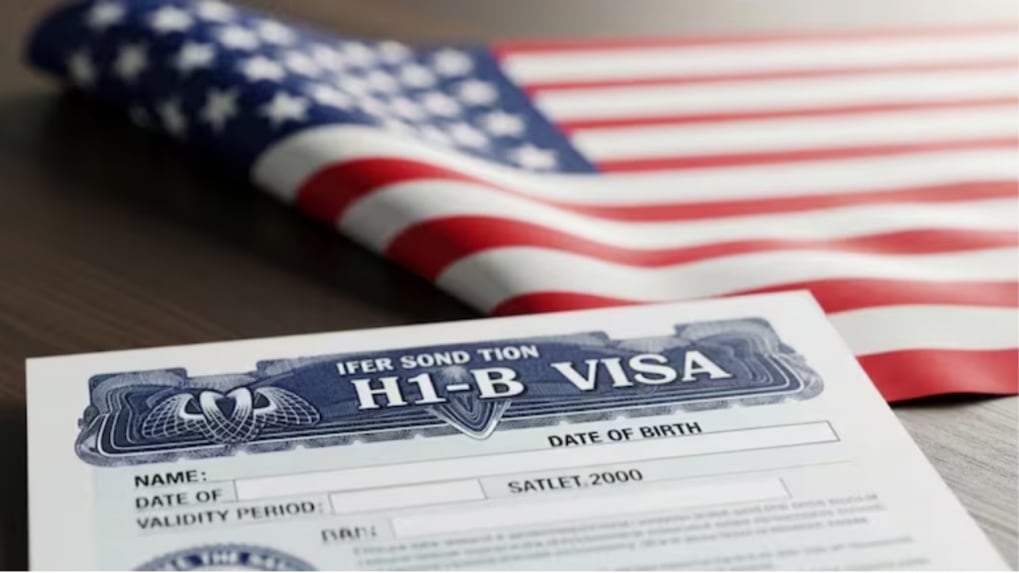
A union-aligned investment group has written to Amazon, Walmart and Alphabet seeking details on how U.S. President Donald Trump’s immigration policies are affecting the companies’ finances, hiring, and supply chains, according to a report by Reuters.
SOC Investment Group, which owns less than 1 percent of each of the three companies, asked the firms to explain how they plan to navigate new immigration measures, including a proposed $100,000 fee structure for new H-1B visa approvals. Amazon, Walmart and Alphabet are among the largest recipients of H-1B visa approvals for skilled foreign workers.
“The availability of labor that’s skilled in the area is really critical to the long-term performance of a company,” SOC executive director Tejal Patel told Reuters. She said an inability to hire or retain skilled workers could limit companies’ ability to meet consumer demand and compete effectively, posing risks to long-term shareholder value.
In its letters, SOC also asked Amazon and Walmart to outline how immigration enforcement actions, including raids on farms, are affecting trucking and agricultural sectors that support grocery supply chains.
SOC and the funds it works with collectively own about 17 million shares of Walmart, 31 million shares of Amazon, and 41 million shares of Google-parent Alphabet, according to the firm. Google and Walmart did not immediately respond to requests for comment, while Amazon declined to comment.
The letters follow recent changes to H-1B visa rules that are set to take effect in September. The changes have triggered concern in regions such as New York and California’s Silicon Valley, where large numbers of immigrants, particularly from Asia, are employed by major technology and financial companies. The policy shifts have also prompted discussions about moving jobs outside the United States, while U.S. lawmakers have sought detailed disclosures from companies on their H-1B workforce.
The move also comes days after Trump signed an executive order directing U.S. regulators to consider new rules for proxy advisory firms. Such changes could make it easier for companies to exclude shareholder proposals like SOC’s from their proxy statements.
SOC’s resolutions, which are advisory and intended to be voted on at companies’ annual meetings next year, have previously led companies to take action, particularly when proposals received more than 30 percent shareholder support. Patel said the group hopes for constructive engagement but is considering all options, including litigation, if the resolutions are not included in proxy materials.
From purpose-driven work and narrative-rich brand films to AI-enabled ideas and creator-led collaborations, the awards reflect the full spectrum of modern creativity.
Read MoreIn a wide-ranging interview with Storyboard18, Sorrell delivers his frankest assessment yet of how the deal will redefine creativity, media, and talent across markets.