Digital
Why OpenAI is hiring 100 ex-bankers: Inside the ChatGPT-maker's secret project to automate Wall Street's grunt work
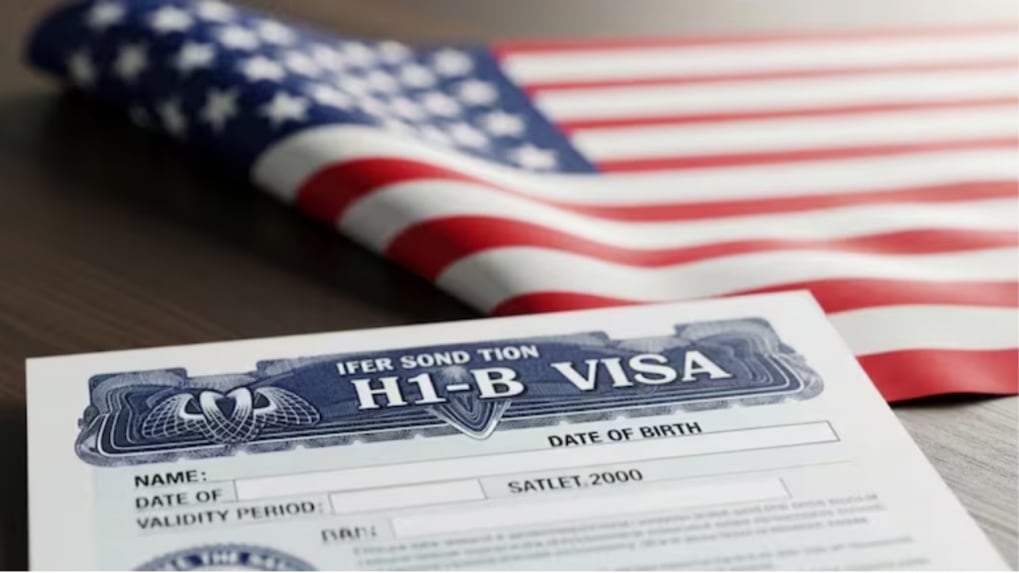
The United States has begun screening the social media accounts of all applicants for H-1B work visas and their H-4 dependents, expanding digital vetting measures amid heightened scrutiny of legal immigration programs.
Under the new directive, which took effect on December 15, visa applicants are required to set the privacy controls on all their social media profiles to “public,” according to the State Department. Officials will review applicants’ online presence as part of efforts to identify individuals deemed inadmissible or who may pose risks to national security or public safety.
Applicants for student and exchange visitor visas, classified under the F, M and J categories, have already been subject to similar scrutiny in recent years. The extension of the requirement to H-1B workers and their families marks a significant broadening of the government’s vetting framework for skilled foreign professionals.
“To facilitate this vetting, all applicants for H-1B and their dependents (H-4), F, M, and J nonimmigrant visas are instructed to adjust the privacy settings on all of their social media profiles to ‘public,’” the State Department said.
The move has unsettled many visa holders and applicants, particularly in India, which supplies the largest share of H-1B workers to the US. Immigration lawyers have reported a rise in what are known as “prudential revocations,” a precautionary measure that allows the government to temporarily revoke a visa without alleging wrongdoing or securing a conviction.
Emily Neumann, an immigration attorney, said in a post on social media that some H-1B and H-4 visa holders had seen their visas revoked even when they had only past interactions with law enforcement and no criminal convictions. Such revocations, she noted, are not permanent but can disrupt travel and employment while reviews are underway.
The expanded screening comes alongside broader procedural changes affecting foreign workers and students. Last week, the State Department revised visa processing rules, prompting the US Embassy in India to issue an advisory that many interviews scheduled for mid- to late December would be postponed until March next year.
Together, the steps represent the latest tightening of the H-1B program, the primary pathway for highly skilled foreign workers to enter the US. The program has faced increasing political pressure under the Trump administration, which has argued that it disadvantages American workers.
In September, President Donald Trump imposed a one-time fee of $100,000 on new H-1B visas, a move widely seen as a deterrent for employers and prospective applicants, particularly from India’s technology sector.
The administration has also paused green card, citizenship and other immigration applications from 19 countries designated as “countries of concern,” following a shooting involving an Afghan national and members of the National Guard, further reinforcing a security-first approach to immigration.
For many foreign professionals and students, the new measures add another layer of uncertainty to an already complex and evolving US visa system.
In a wide-ranging interview with Storyboard18, Sorrell delivers his frankest assessment yet of how the deal will redefine creativity, media, and talent across markets.