Advertising
From Pink Slips to Silent Sidelining: Inside adland’s layoff and anxiety crisis
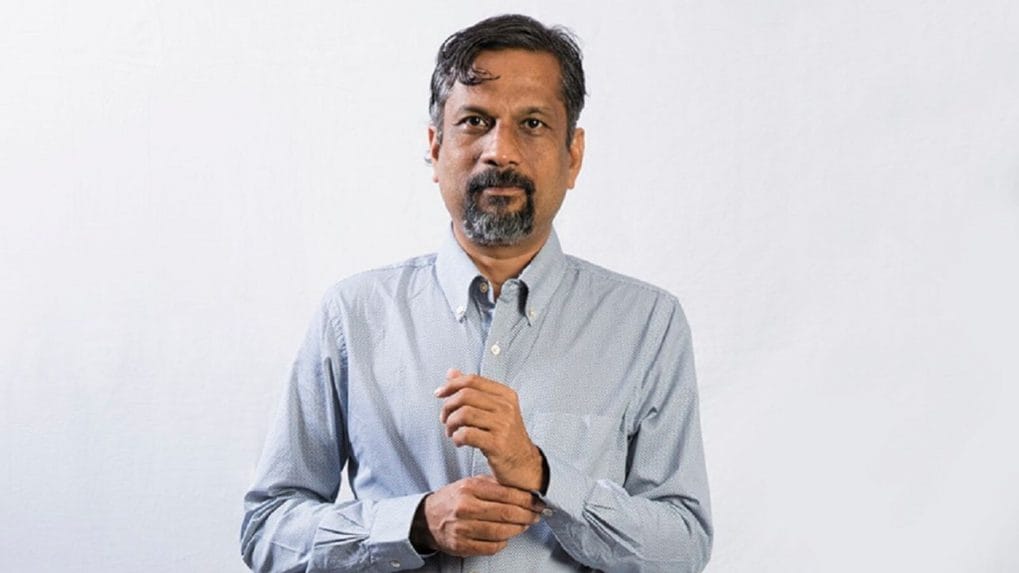
Zoho co-founder and Chief Scientist Sridhar Vembu has highlighted a striking example of how artificial intelligence is reshaping software development, after witnessing an internal demonstration that he said fundamentally changed his perspective on developer productivity.
In a post shared on social media platform X, Vembu recounted how a senior engineer from Zoho’s research and development team independently created a sophisticated security tool focused on assembly and machine-level code. The project, developed outside formal workflows, was built without the knowledge of Zoho’s leadership and came together in just over a month.
Yesterday one of our experienced engineers who works in my R&D team, showed me an assembly and machine code security tool he built in his spare time over the past month. I did not know he was building it. I was blown away by the depth and breadth of the tool.
— Sridhar Vembu (@svembu) January 8, 2026
He has developed…
According to Vembu, the scope and complexity of the tool would traditionally have required a small team working for close to a year. Instead, the engineer completed it solo, crediting the acceleration largely to the use of an advanced AI model known as Opus 4.5.
Vembu noted that the engineer had previously been sceptical about AI-assisted coding, but the experience led him to reassess its potential. The rapid turnaround and depth of functionality demonstrated how newer AI systems are beginning to play a central role in high-level software engineering tasks, particularly in specialised areas such as low-level code security.
The Zoho executive used the episode to underline the company’s emphasis on experimentation and autonomy within its engineering teams. He said such breakthroughs often emerge when experienced developers are given the freedom to explore ideas independently rather than being constrained by structured mandates.
Reflecting on the broader implications for the software industry, Vembu suggested that AI-powered development tools could significantly disrupt traditional coding practices. He compared the shift to industrial machinery replacing manual processes, signalling a fundamental transformation in how software may be built going forward.
Vembu also acknowledged that the rapid pace of change brings new challenges. As Zoho’s Chief Scientist, he said adapting to this evolving landscape would require sustained effort and rethinking established development models, adding that the company faces mounting pressure to stay ahead of the curve.
From purpose-driven work and narrative-rich brand films to AI-enabled ideas and creator-led collaborations, the awards reflect the full spectrum of modern creativity.
Read MoreLooking ahead to the close of 2025 and into 2026, Sorrell sees technology platforms as the clear winners. He described them as “nation states in their own right”, with market capitalisations that exceed the GDPs of many countries.