Advertising
From Pink Slips to Silent Sidelining: Inside adland’s layoff and anxiety crisis
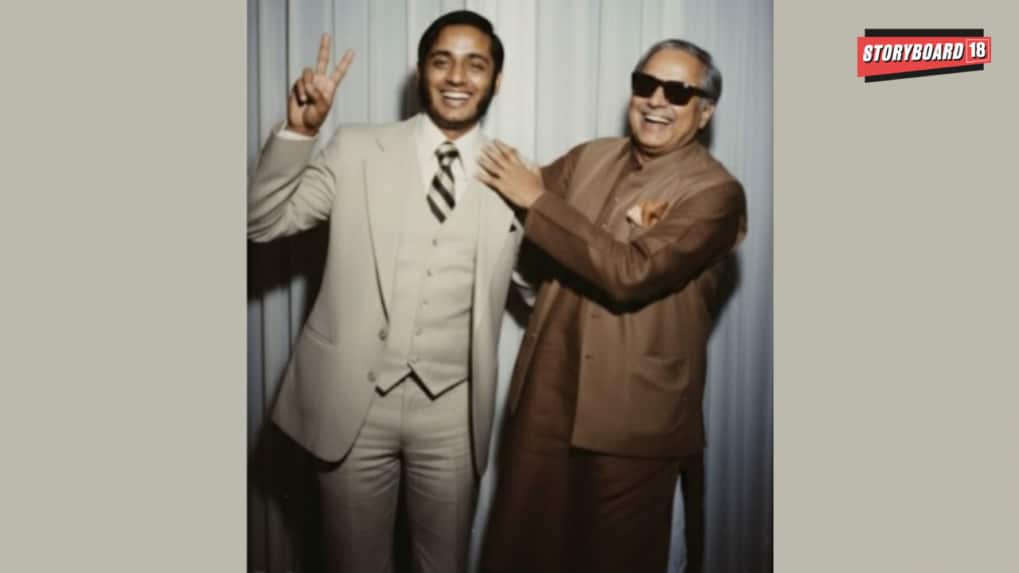
Congress MP Shashi Tharoor has become the latest public figure to participate in the viral “Hug My Younger Self” trend, which uses Google’s Gemini AI to generate images of people alongside their younger versions.
Tharoor shared an edit crafted by supporters that placed him beside his 22-year-old self, captured during his first month at the United Nations. “I find myself torn between envy at his swagger and amusement at his scraggly beard. The decades have done me good, I must say. But what I wouldn’t give to have the waistline of this younger chap!” he wrote on Instagram.
The light-hearted post not only humanised the veteran politician but also highlighted how AI-powered nostalgia is becoming a cultural phenomenon. The “younger self” edits, often styled like old polaroids, have surged in popularity as users upload old photographs or allow AI to approximate their past appearance.
A parallel, more controversial trend “Hug Your Dead Loved One” has also gained traction, allowing users to simulate emotional reunions with deceased relatives. While some see it as cathartic, others argue it crosses ethical lines around consent and digital afterlife.
The boom in such trends has boosted Gemini’s visibility, helping it surpass ChatGPT in user growth in some markets. For politicians like Tharoor, however, these AI experiments are not just viral fodder but also a way of connecting with younger, tech-savvy audiences blending nostalgia with relatability in India’s increasingly digital-first political culture.
From purpose-driven work and narrative-rich brand films to AI-enabled ideas and creator-led collaborations, the awards reflect the full spectrum of modern creativity.
Read MoreLooking ahead to the close of 2025 and into 2026, Sorrell sees technology platforms as the clear winners. He described them as “nation states in their own right”, with market capitalisations that exceed the GDPs of many countries.