Advertising
From Pink Slips to Silent Sidelining: Inside adland’s layoff and anxiety crisis
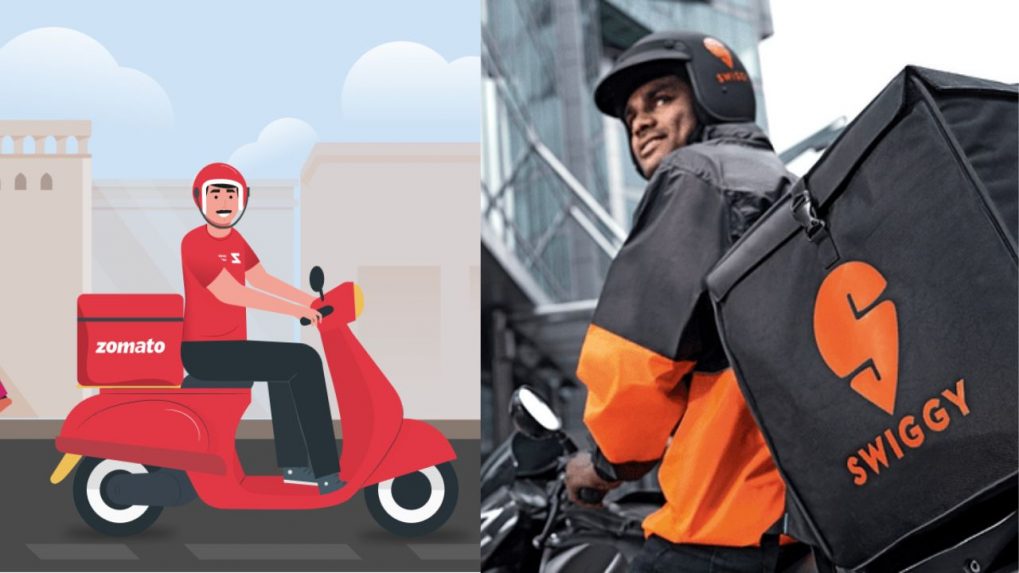
The country's gig economy is moving beyond its early phase of celebration around job creation and flexibility, as regulatory intervention and worker unrest force platforms to reassess how they treat frontline delivery partners.
On Tuesday, the Union Ministry of Labour directed quick commerce platforms, including Eternal-owned Blinkit, Swiggy Instamart, Zomato and Flipkart Minutes, not to pressure delivery workers to meet ultra-fast delivery timelines. The move followed protests by delivery partners demanding fair pay, insurance coverage and an end to 10-minute delivery mandates, amid rising safety concerns around New Year's eve.
The intervention has sharpened a broader industry debate, with experts calling for a fundamental rethink of how platforms engage with gig workers who now form the economic and emotional backbone of consumer internet brands.
Arun Iyer, founder of Spring Marketing Capital, said the initial euphoria around gig work as a novel income opportunity has largely faded. “There was a discovery phase where this felt like a new way of working and earning a living,” he said. “That phase is over. People now recognise this as a real, long-term livelihood.”
As gig work becomes more permanent, Iyer argued that platforms must move beyond the narrative of simply “providing employment.” “You’re not doing anyone a favour,” he said. “These workers contribute directly to company profits. Questions around security, loyalty and fair returns are inevitable.”
Iyer also said consumers play a critical role in shaping platform behaviour. “If consumers continue demanding eight- or ten-minute deliveries, companies will keep pushing that model,” he said. “Unless consumers ask for speed that is also responsible, nothing will change.”
Brand strategists say this transition is crucial because gig workers are no longer peripheral to the brand experience--they are its most visible face.
Vijay Vaidyanathan, founder of The Growth Pundit, said the human value of business will define the next phase of the consumer internet economy. “The people consumers interact with are the face of the brand,” he said. “That is the lasting impression consumers carry.”
While some platforms have attempted to humanise delivery partners through advertising, Vaidyanathan said the real challenge lies in aligning brand messaging with on-ground realities. “If the person at the door is unhappy and vocal about poor conditions, that becomes the brand experience,” he said.
He warned that ignoring frontline concerns could eventually lead to unionisation pressures similar to those seen in traditional industries--an outcome that contradicts the promise of new-age, flexible business models. “If brands let it reach that stage, they have failed,” he said.
Amer Jaleel, founder of Curativity, cautioned that in dynamic markets such as India, failure to build sustainable, people-first models can trigger abrupt change. “Unlike mature markets where regulation evolves slowly, in India responses can be sudden—through political, regulatory or social routes,” he said.
Partha Sinha, senior advisor at a global consulting firm and founder of ABLTY Advisory LLP, said the next phase of the digital economy demands leadership rooted in collective growth. “There is space for new-age leaders who can tell a human story that includes gig workers,” he said. “You cannot claim to redefine the economy while still operating with labour policies borrowed from the industrial era.”
As India’s platform economy matures, experts agree the conversation must shift—from speed and scale to shared value, sustainability and dignity of work.
From purpose-driven work and narrative-rich brand films to AI-enabled ideas and creator-led collaborations, the awards reflect the full spectrum of modern creativity.
Read MoreLooking ahead to the close of 2025 and into 2026, Sorrell sees technology platforms as the clear winners. He described them as “nation states in their own right”, with market capitalisations that exceed the GDPs of many countries.