Digital
Why OpenAI is hiring 100 ex-bankers: Inside the ChatGPT-maker's secret project to automate Wall Street's grunt work
What’s Happening?
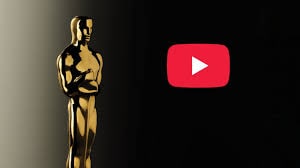
The Academy of Motion Picture Arts and Sciences has reached a multi-year agreement with YouTube that will move the Academy Awards — the Oscars — from traditional broadcast television to exclusive global streaming on YouTube starting in 2029. The deal runs through 2033.
That means the Oscars — long a centerpiece of network TV — will be live-streamed on a digital platform instead of airing mainly on a broadcast channel like ABC.
Why It Matters
1. End of an Era for Broadcast TV?
For nearly five decades, the Oscars were broadcast on ABC, a broadcast network — a relationship dating back to the 1970s. Under the new deal, the ceremony’s broadcast on ABC will continue only through 2028, the year of the 100th Oscars. Starting in 2029, YouTube becomes the exclusive global home for the event.
This is historic because the Oscars are the first of the major award shows — among the Oscars, Grammys, Emmys and Tonys — to completely leave broadcast television for streaming.
Who Can Watch — and How
Free Global Access
The ceremony will be streamed live and free worldwide on YouTube, giving access to audiences far beyond traditional broadcast networks. YouTube estimates it has over 2 billion logged-in users — a significantly larger potential audience than any single TV network.
Additional Content Included
Beyond the main awards ceremony, YouTube will also stream:
- Red carpet coverage - Behind-the-scenes programming - The Governors Awards - Oscar nominations announcements
Other Academy events and Academy-produced content
All of this will be hosted on the Oscars’ official YouTube channels.
Accessibility Options
YouTube will offer the broadcast with closed captioning and multiple language audio tracks, aiming to make the event more accessible internationally.
Why the Shift Is Happening
Changing Viewing Habits
TV audiences for the Oscars have declined over the years. While the 2025 broadcast drew about 19.7 million U.S. viewers, that’s much lower than the tens of millions it once attracted in its peak broadcast era.
YouTube’s massive global reach and strong appeal among younger, digital-first audiences offer the Academy a chance to reconnect with viewers who increasingly prefer streaming over traditional TV.
Broadening the Audience
Academy leaders have said the partnership with YouTube allows the Oscars to reach “the largest worldwide audience possible,” reflecting how films and entertainment are consumed today — especially outside the United States.
What It Signals About the Industry
1. Streaming Is Becoming the Default for Live Events
Live streaming major cultural events — once a bastion of broadcast TV — is now mainstream, showing how platforms like YouTube are expanding beyond short videos into must-see live content.
This follows broader trends of live sports and entertainment events increasingly appearing on digital platforms.
2. New Partnerships and Business Models
The Academy’s deal with YouTube also includes partnerships for film education and archival access, such as collaboration with Google Arts & Culture to digitize parts of the Oscars’ historical film archive — widening the brand beyond just one night of awards.
Bottom Line
The YouTube–Oscars deal marks a major shift in how one of Hollywood’s most iconic cultural institutions engages audiences. By moving away from traditional broadcast TV to global streaming, the Academy is adapting to a digital-first entertainment landscape, expanding its reach and embracing new modes of viewership and content delivery in a rapidly evolving media world.
The move also reflects the Oscars’ long-running struggle to maintain cultural relevance in the United States, where television viewership has steadily fragmented and younger audiences have drifted away from appointment viewing. While the ceremony still carries prestige within the industry, it no longer commands the mass US domestic attention it once did.
By pivoting to YouTube, the Academy appears to be making a calculated global play — prioritising scale, accessibility and international reach over the shrinking economics of US broadcast television. In effect, the Oscars are repositioning themselves less as a national television event and more as a global cultural moment.
From purpose-driven work and narrative-rich brand films to AI-enabled ideas and creator-led collaborations, the awards reflect the full spectrum of modern creativity.
Read MoreIn a wide-ranging interview with Storyboard18, Sorrell delivers his frankest assessment yet of how the deal will redefine creativity, media, and talent across markets.