Digital
Why OpenAI is hiring 100 ex-bankers: Inside the ChatGPT-maker's secret project to automate Wall Street's grunt work
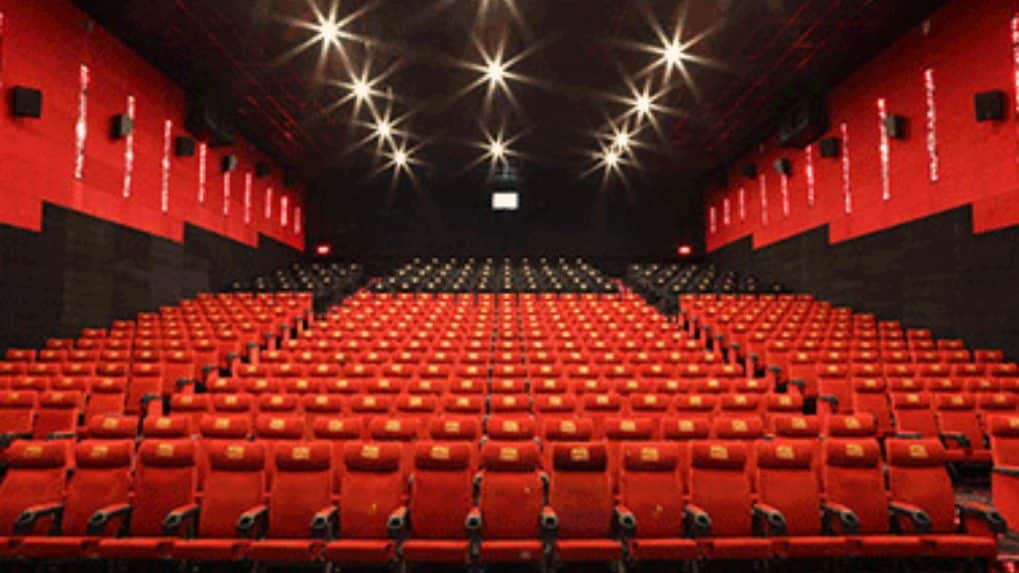
Indian cinema is undergoing what the IMDb “25 Years of Indian Cinema” report (2025) describes as a “durable realignment”, rather than a displacement of one industry by another.
The report states that one of the most consequential developments of the last decade has been “the ascent of the Southern industries, Tamil, Telugu, Kannada, and Malayalam, into the national consciousness.”
This shift marks a departure from the long-standing Bollywood-centric perception of Indian cinema.
Access Enabled the Shift, But Didn’t Cause It
The report attributes the initial catalyst to the arrival of streaming services, which “lowered distribution and language barriers, enabling discovery and access at scale.” Audiences now consume cinema “across linguistic lines and through multiple formats, from theatres to streaming platforms.”
However, the data suggests access alone does not explain the scale of change.
Of the 50 movies that entered IMDb’s Top 5 Most Popular Indian Movies dataset between 2015 and 2024, 19 originated from the South, compared to only five in the previous decade. By 2022, four of the top five Indian movies were non-Hindi productions.
Audience Preference, Not Language Familiarity
The report explicitly cautions against framing this as a Hindi-versus-South narrative. Instead, it notes that “the deeper reason lies in the resonance of the stories, styles, and cinematic traditions emerging from these industries.”
This is supported by regional consumption data:
Also read: Netflix reaffirms Warner Bros Discovery asset deal amid rival bid and regulatory questions
The Mass Audience Is Reasserting Itself
The report points out that Hindi cinema’s shift toward “urban-centric storytelling” over the years created a gap in mass-appeal entertainment. Southern industries, rooted in themes with “wider resonance,” were well-positioned to fill this space.
The success of 12th Fail is cited as evidence that “the conversation is no longer about Hindi versus Southern cinema,” but about audiences seeking stories “in which they feel seen.”
A Realignment, Not a Replacement
The report is explicit in its conclusion: “Rather than framing the rise of Southern cinema as the displacement of Hindi cinema, it is better understood as a durable realignment.”
This realignment has expanded Indian cinema’s creative and commercial base, allowing multiple industries to operate as part of a shared national ecosystem rather than competing silos.
Cross-industry collaboration across actors, directors, musicians and technicians is now described as “a strategic imperative”, reshaping Indian cinema into “a cultural infrastructure” designed to travel across regions and beyond India.
What This Means for Media and Marketing Indian cinema today reflects:
From purpose-driven work and narrative-rich brand films to AI-enabled ideas and creator-led collaborations, the awards reflect the full spectrum of modern creativity.
Read MoreIn a wide-ranging interview with Storyboard18, Sorrell delivers his frankest assessment yet of how the deal will redefine creativity, media, and talent across markets.