How it Works
WPP, Havas, Omnicom: Are advertising’s biggest holdcos recasting agencies as AI Operating Systems?
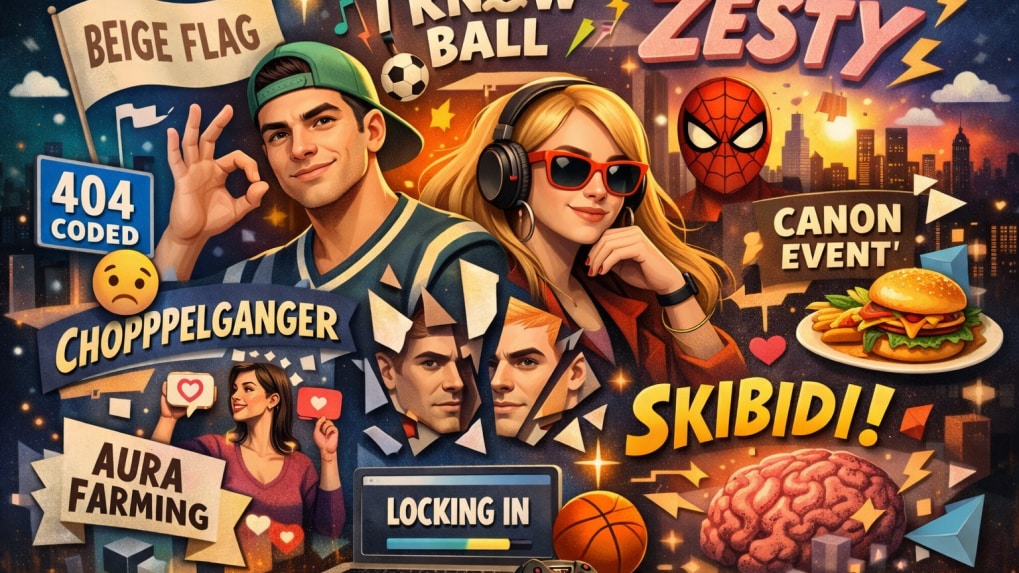
If language is a mirror of culture, Gen Z’s vocabulary is basically a live social feed, fast, ironic, hyper-aware, and constantly evolving. In 2026, slang isn’t just about sounding cool; it’s about signaling identity, taste, emotional intelligence, and internet fluency. Whether you’re “locking in” on work, “aura farming” on social media, or declaring “I know ball” with full confidence, these phrases define how Gen Z communicates today.
Here’s a breakdown of the Gen Z slang terms dominating conversations, captions, and comment sections right now.
1. Beige Flag
Not everything is a red or green flag anymore. A beige flag is a neutral trait, neither attractive nor off-putting. Think: someone who alphabetizes their spice rack or always orders the same coffee. Not a dealbreaker, just… noted.
2. Zesty
Used to describe someone who’s dramatic, flamboyant, or unapologetically expressive. Being zesty isn’t an insult, it’s often a compliment for people who refuse to be boring and lean into their personality with confidence.
3. Choppelganger
A brutal blend of “chopped” and “doppelganger,” this term refers to someone who looks like a noticeably worse version of another person. It’s peak Gen Z humour, sharp, ironic, and usually deployed with meme-level exaggeration.
4. Chopped
Short, sharp, and savage. Chopped means undesirable or unattractive, whether it’s a bad outfit, a questionable haircut, or an idea that simply isn’t landing.
5. I Know Ball
This phrase is all about confidence. Saying “I know ball” means you deeply understand a subject and have elite taste, whether it’s music, fashion, sports, or pop culture. It’s Gen Z’s way of saying, trust me, I’m an expert.
6. Bussin’
If something is bussin’, it’s really good, especially food. A meal that hits, a playlist that slaps, or even a life decision that feels right can all qualify as bussin’.
7. 404 Coded
Borrowed from internet error language, 404 coded describes someone acting clueless, out of place, or completely missing the point. If comprehension is loading… but never arrives, it’s 404 coded.
8. Skibidi
By 2026, skibidi has evolved into a flexible, ironic intensifier. It doesn’t need a fixed meaning, it’s more about tone. Use it to exaggerate, mock, or add absurd emphasis to literally anything.
9. Aura Farming
This one’s straight from the attention economy. Aura farming refers to deliberately performing actions, online or offline, to boost social capital, coolness, or perceived influence. Think curated nonchalance, strategic silence, or perfectly timed posts.
10. Locking In
When distractions disappear and focus takes over, you’re locking in. Whether it’s exam season, a work deadline, or a personal glow-up phase, this phrase signals serious commitment and tunnel vision.
11. Canon Event
Inspired by the Spider-Man multiverse, a canon event is a moment that has to happen, usually painful or uncomfortable, but is essential for personal growth. Breakups, failures, bad haircuts: all canon events.
What often gets dismissed as online slang is, in fact, a reflection of how a generation shaped by social media, economic pressure and constant digital exposure communicates.
These terms condense shared experiences, emotional states and social cues into language that travels quickly across platforms. In 2026, understanding this vocabulary is less about keeping up with trends and more about recognising how Gen Z is influencing the way culture, identity and communication are being negotiated in public spaces.
So the next time someone says, “This was a canon event, I had to lock in after that, real aura farming behaviour,” just know: they absolutely know ball.
[Compiled by Kashvee Jain]
From purpose-driven work and narrative-rich brand films to AI-enabled ideas and creator-led collaborations, the awards reflect the full spectrum of modern creativity.
Read MorePraveen Someshwar, Managing Director and CEO of Diageo India, joins the Grand Jury of the Storyboard18 Awards for Creativity, highlighting the awards’ focus on work that blends cultural relevance with strategic and commercial impact.