Advertising
From Pink Slips to Silent Sidelining: Inside adland’s layoff and anxiety crisis
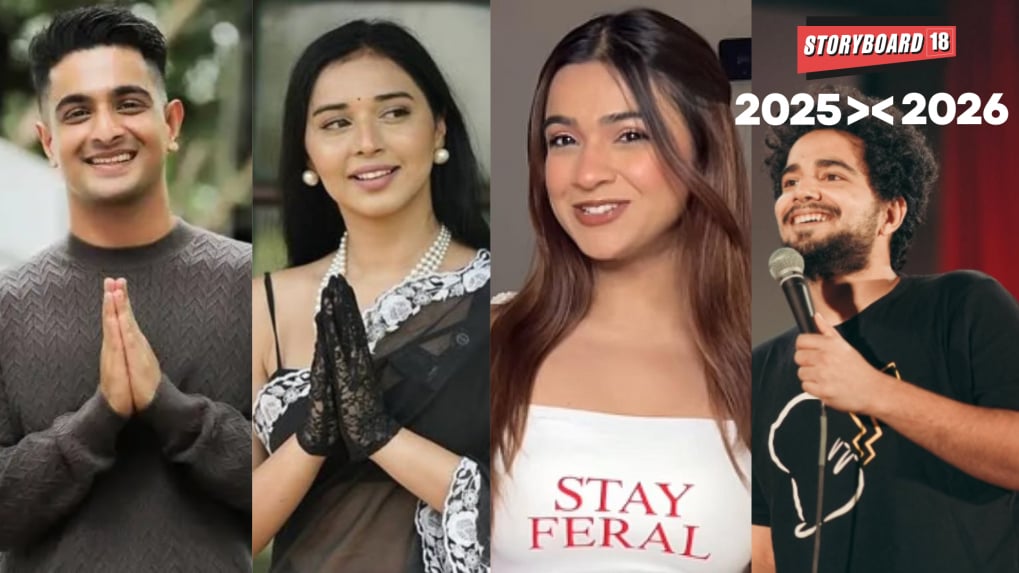
A controversy can make you. It can break you. And in rare cases, it does both! 2025 marked a turning point for India’s influencer economy, what began as a year of explosive reach and cultural dominance quickly spiralled into one of reckoning with courtrooms, commissions, cancelled shows and public apologies becoming as common as brand deals.
At the heart of it all was one moment in February that set off a chain reaction no one saw coming, "India’s Got Latent" controversy. A major national controversy erupted when comedian Samay Raina’s YouTube roast show India’s Got Latent crossed a line many felt should never have been tested. A sexually explicit remark involving parents and sex, made by podcaster Ranveer Allahbadia, ignited outrage across the country, triggering FIRs, police action, NCW summons and Supreme Court intervention.
Here are the influencers whose careers and public personas were forever altered in 2025:
Few falls were as dramatic as Ranveer Allahbadia’s. A viral clip from India’s Got Latent showed him asking a contestant an explicit “Would You Rather” question involving parents and sex. "Would you rather watch your parents have sex every day for the rest of your life, or join in once and stop it forever?" he asked.
The backlash was instant and brutal as FIRs were filed across Maharashtra, Assam and Rajasthan. The Supreme Court called his remark “dirty and perverted,” barred him from airing new episodes, seized his passport and questioned how such content could escape the label of obscenity. He even issued several public apologies, admitting the comment was "not even funny" and a "mistake".
By March, he was allowed to resume The Ranveer Show but only under strict conditions of “decency and morality.”
As the creator and host of India’s Got Latent, Samay Raina bore the heaviest institutional backlash. Within days, he deleted all 18 episodes of the show, calling the situation “too much to handle.” FIRs followed a six-hour interrogation by the Maharashtra Cyber Cell, a summons from the National Commission for Women and a Supreme Court reprimand for jokes targeting persons with disabilities.
Live shows in Gujarat and Delhi were cancelled under pressure from right-wing groups.
By late 2025, Raina pulled off one of the biggest comebacks the Indian comedy scene has seen. A 70,000-strong crowd packed Delhi’s Indira Gandhi Indoor Stadium for his show Still Alive & Unfiltered. In November 2025, he confirmed that India's Got Latent would return for a second season, though with a restructured format.
For Apoorva Mukhija, the controversy turned deeply personal. Named in multiple FIRs, summoned by the NCW and forced to publicly apologise, she became the target of a relentless wave of online abuse including rape threats, acid attack threats and death threats.
The NCW had to intervene and direct police protection. She wiped her Instagram clean, unfollowed everyone and disappeared, triggering fears she was quitting social media for good. However, she returned weeks later with a haunting video titled "Till I Say It Is", exposing the messages she had received. She also revealed she had been forced to vacate her Mumbai apartment due to police visits linked to the case.
Despite it all, she appeared on The Traitors India and in the film Nadaaniyan.
Tanya Mittal’s controversy was less legal and more cultural. A self-styled spiritual entrepreneur, she entered Bigg Boss 19 with grand claims, 800 sarees, 150 bodyguards and a luxury-fuelled lifestyle. Earlier in the year, she had posted a viral video alleging a second crowd crush at the Maha Kumbh, drawing scepticism and criticism.
Inside the Bigg Boss house, she became one of the season’s most talked about contestant. Outside it, brands moved fast onboarding her for digital campaigns almost immediately after the finale.
Unlike others, Babil Khan’s controversy wasn’t about content, it was about vulnerability. In May, emotional Instagram videos showed him calling Bollywood “the fakest industry,” while naming peers in what many perceived as criticism. The internet exploded and concern turned into speculation.
He deleted his account. His family clarified he was having a “difficult day.” Projects were paused and silence followed. Four months later, Babil returned with a poem about depression, isolation and survival.
Sometimes, controversy needs no words. In May, Virat Kohli’s Instagram account liked a photo of Avneet Kaur and the internet went into meltdown. Kohli issued a rare clarification, blaming an “algorithm glitch.” Two months later, Avneet attended Wimbledon on the same day as Kohli and Anushka Sharma. Memes returned and speculation reignited.
Ashish Chanchlani, one of India’s biggest YouTubers, was also pulled into the India’s Got Latent controversy. FIRs were filed and he approached the Supreme Court to club cases. Temporary bail followed but NCW questioning ensued. By mid-year, Chanchlani pivoted focusing on fitness, mental health and a creative reboot.
From purpose-driven work and narrative-rich brand films to AI-enabled ideas and creator-led collaborations, the awards reflect the full spectrum of modern creativity.
Read MoreLooking ahead to the close of 2025 and into 2026, Sorrell sees technology platforms as the clear winners. He described them as “nation states in their own right”, with market capitalisations that exceed the GDPs of many countries.