Advertising
From Pink Slips to Silent Sidelining: Inside adland’s layoff and anxiety crisis
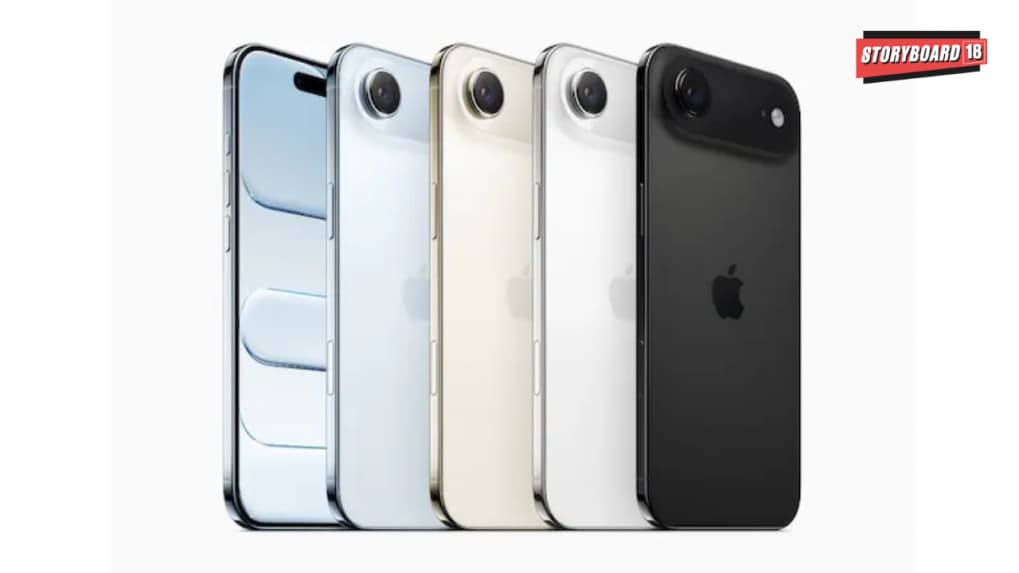
Apple’s iPhone has become one of the most recognisable devices in the world, admired for its sleek design and cutting-edge features, though often criticised for its steep price. But beyond the hardware and software lies a question that has intrigued many: what does the ‘i’ in iPhone actually mean?
The answer goes back to 1998, when Apple unveiled the iMac. At its launch, then-CEO Steve Jobs explained that the ‘i’ was not confined to a single definition. Instead, it reflected several ideas central to Apple’s vision at the time.
The ‘i’ was said to stand for:
Internet – signalling connectivity to the web.
Individual – designed for personal use.
Instruct – enabling learning and education.
Inform – providing information.
Inspire – sparking creativity.
The iMac was designed to make the internet simple and accessible while also appealing to personal and creative use. This philosophy carried forward as Apple rolled out other devices with the same prefix, including the iPod, iPad and, most famously, the iPhone.
Over the years, the ‘i’ has moved beyond its original meanings. Today, it has become a defining part of Apple’s brand identity — a signal that instantly associates a product with innovation, connectivity and design.
While the original intent linked the ‘i’ to the internet and individuality, its legacy now lies in its power to symbolise Apple itself.
From purpose-driven work and narrative-rich brand films to AI-enabled ideas and creator-led collaborations, the awards reflect the full spectrum of modern creativity.
Read MoreLooking ahead to the close of 2025 and into 2026, Sorrell sees technology platforms as the clear winners. He described them as “nation states in their own right”, with market capitalisations that exceed the GDPs of many countries.