Advertising
From Pink Slips to Silent Sidelining: Inside adland’s layoff and anxiety crisis
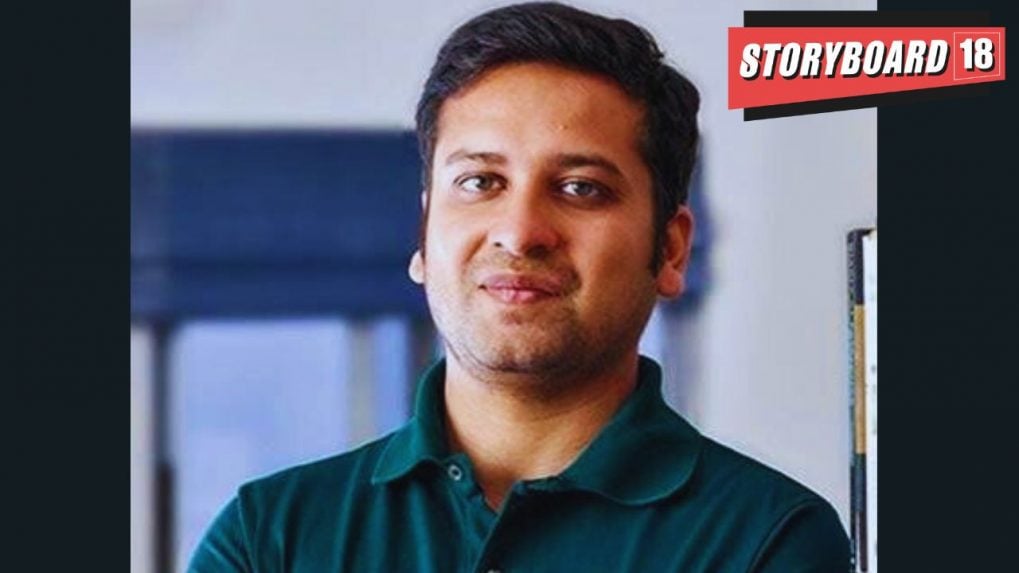
The Income Tax Appellate Tribunal in Bengaluru has rejected an appeal by Binny Bansal, the co-founder of Flipkart, ruling that he does not qualify as a non-resident for Indian tax purposes and is therefore not entitled to claim benefits under the India–Singapore Double Taxation Avoidance Agreement.
In its order, the tribunal said Bansal had spent more than 60 days in India during the relevant period, meeting the statutory threshold for residential status under Indian tax law. On that basis, it concluded that he did not qualify for the relaxation available to individuals who are otherwise resident abroad but visit India briefly.
Bansal had argued that he was employed in Singapore and had been living there during the period in question, and should be treated as a non-resident who merely visited India. He also contended that, as a tax resident of Singapore, he was not liable to pay capital gains tax in India on income arising from the sale of his shareholdings.
The dispute relates to transactions during the 2019–20 financial year, when Bansal sold equity shares of Indian listed companies as well as shares in Flipkart Private Limited, a Singapore-incorporated entity. In one set of transactions in 2019, he sold roughly 600,000 shares to Tiger Global and other investors. He maintained that these gains were exempt from Indian taxation under the India–Singapore tax treaty.
The tribunal rejected those claims in a 189-page order dated January 9, holding that his residential status in India during the period disqualified him from seeking treaty relief. Bansal did not respond to a request for comment. He may appeal the ruling in a higher court.
In the same order, the tribunal directed the assessing officer to verify and reissue a pending tax refund of more than 58 million rupees, if it has not already been credited.
Bansal stepped away from Flipkart in 2023 and has since founded Oppdoor, an artificial intelligence-led e-commerce venture.
From purpose-driven work and narrative-rich brand films to AI-enabled ideas and creator-led collaborations, the awards reflect the full spectrum of modern creativity.
Read MoreLooking ahead to the close of 2025 and into 2026, Sorrell sees technology platforms as the clear winners. He described them as “nation states in their own right”, with market capitalisations that exceed the GDPs of many countries.