Advertising
From Pink Slips to Silent Sidelining: Inside adland’s layoff and anxiety crisis
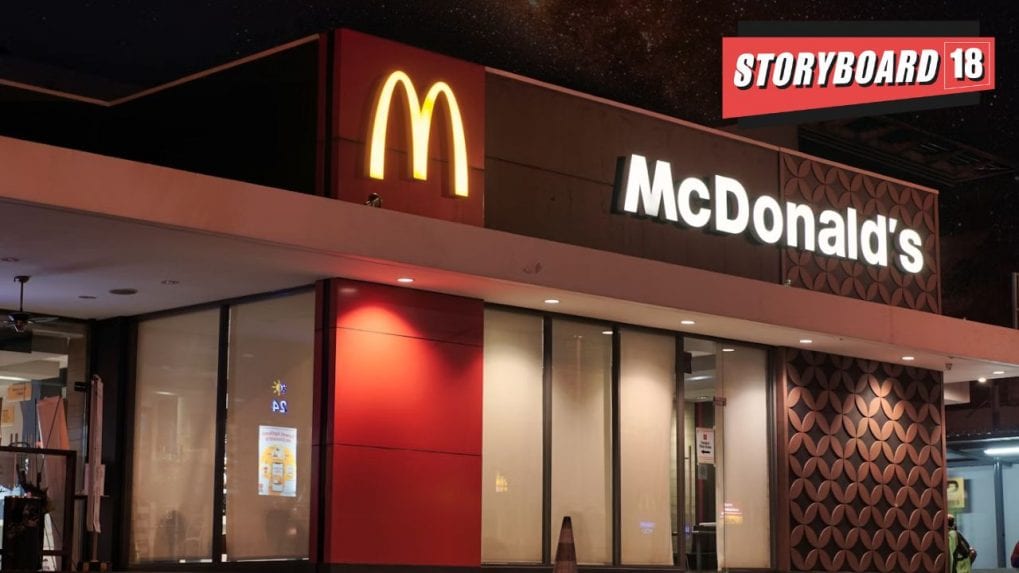
McDonald’s serves millions of customers each day, many of whom decide what to order in a matter of seconds. Over time, the company has designed its menus, stores and service flow to accommodate — and quietly shape — that reality.
At first glance, McDonald’s menu boards appear crowded, filled with images, prices and combinations competing for attention. But the density is deliberate. Items with higher margins are placed prominently, familiar meal bundles are emphasised, and pricing is structured to minimise comparison. Faced with an abundance of information and limited time, customers tend to fall back on what they already know.
Behavioural researchers have long observed that when mental effort increases, people rely on heuristics — cognitive shortcuts that simplify decision-making. McDonald’s ordering environment is built around this principle. Rather than encouraging exploration, it reduces the cost of choosing quickly.
Even the chain’s most recognisable prompt — “Would you like fries with that?” — reflects this logic. The question typically arrives after a primary choice has been made, when decision fatigue has begun to set in. It requires little thought and presents a familiar, low-risk addition. For many customers, compliance is easier than reconsideration.
The broader environment reinforces the same priorities. McDonald’s colour palette, store layout and language all signal speed and familiarity. The experience is designed to move customers through the system efficiently, not to invite prolonged deliberation.
The company’s success, then, lies not only in its scale or global reach, but in its ability to engineer predictability — a model in which consumer behaviour is consistent, fast and repeatable. In doing so, McDonald’s has turned simplicity into a competitive advantage.
From purpose-driven work and narrative-rich brand films to AI-enabled ideas and creator-led collaborations, the awards reflect the full spectrum of modern creativity.
Read MoreLooking ahead to the close of 2025 and into 2026, Sorrell sees technology platforms as the clear winners. He described them as “nation states in their own right”, with market capitalisations that exceed the GDPs of many countries.