Advertising
From Pink Slips to Silent Sidelining: Inside adland’s layoff and anxiety crisis
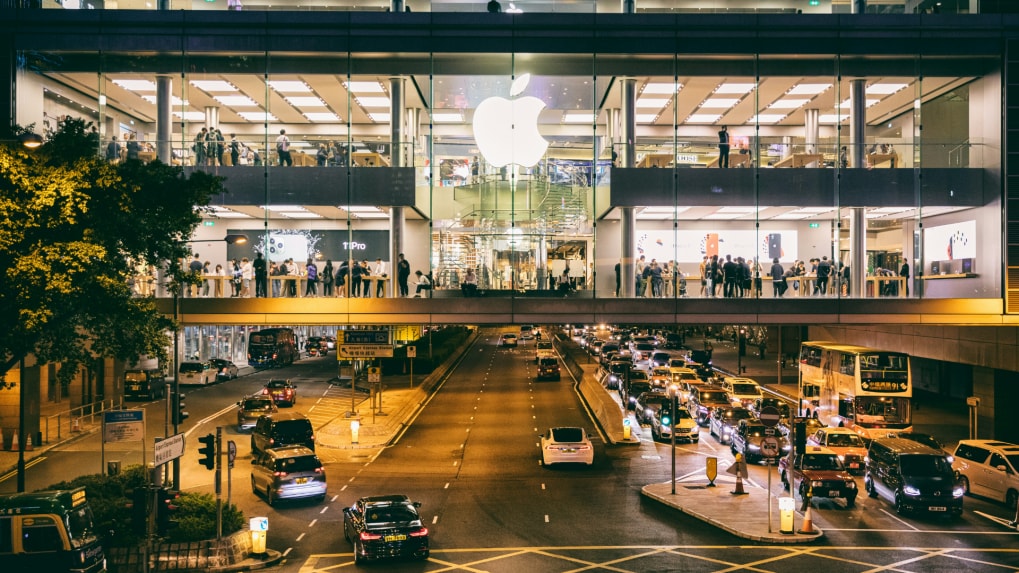
For decades, consumer electronics retail was defined by clutter — shelves stacked with boxes, specification sheets dense with jargon, and salespeople trained to upsell features. Apple rejected that model almost entirely. When the company opened its first retail stores in 2001, it introduced a philosophy that was less about selling devices and more about shaping how people felt about themselves.
Apple’s stores are deliberately sparse. Products are displayed openly, without packaging, placed at arm’s reach on long wooden tables. There are no aggressive promotional signs, no visible discount tags, and little emphasis on technical comparisons. The environment encourages touch, exploration and lingering — behaviours that behavioural researchers have long associated with increased emotional attachment.
Psychologists describe this phenomenon as the endowment effect: people tend to value objects more once they feel a sense of ownership over them. Physical interaction — holding, swiping, typing — can trigger that feeling even before a transaction occurs. Apple’s insistence that customers interact freely with devices is not merely aesthetic; it changes how products are perceived.
But the strategy runs deeper than touch. Apple stores are designed to remove the adversarial dynamic traditionally associated with sales. Staff members, rebranded as “specialists” and “geniuses,” are trained to guide rather than pressure. Transactions are often completed anywhere in the store, blurring the moment when browsing becomes buying.
This design supports Apple’s broader brand narrative. For years, the company has positioned its products as tools for creativity, productivity and personal expression rather than technical superiority alone. The retail environment reinforces that message by encouraging customers to imagine themselves using the devices in their own lives — editing photos, writing, composing music, managing work.
In this context, the store becomes a stage for identity formation. Shoppers are not simply choosing between laptops; they are implicitly choosing what kind of person they want to be. The absence of clutter and noise allows that projection to happen uninterrupted.
The success of Apple’s retail strategy reshaped expectations across categories. Luxury brands, electronics retailers and even banks began to borrow elements of the approach: open layouts, experiential zones, reduced inventory visibility. The lesson was clear — in premium categories, emotional resonance can outweigh informational density.
Apple demonstrated that retail need not be transactional to be profitable. By turning stores into spaces of self-recognition rather than persuasion, the company aligned consumer psychology with commercial outcomes — redefining how modern brands sell.
From purpose-driven work and narrative-rich brand films to AI-enabled ideas and creator-led collaborations, the awards reflect the full spectrum of modern creativity.
Read MoreLooking ahead to the close of 2025 and into 2026, Sorrell sees technology platforms as the clear winners. He described them as “nation states in their own right”, with market capitalisations that exceed the GDPs of many countries.