
From Apple to Instagram: How big brands are using behavioural science to shape consumer choices
Here’s how some of the world’s biggest brands quietly rewire your brain — and why it works every time.

ADVERTISEMENT
Marketing isn’t persuasion anymore. It’s applied behavioural science. You think you’re making rational choices but you’re not.
Here’s how some of the world’s biggest brands quietly rewire your brain — and why it works every time :
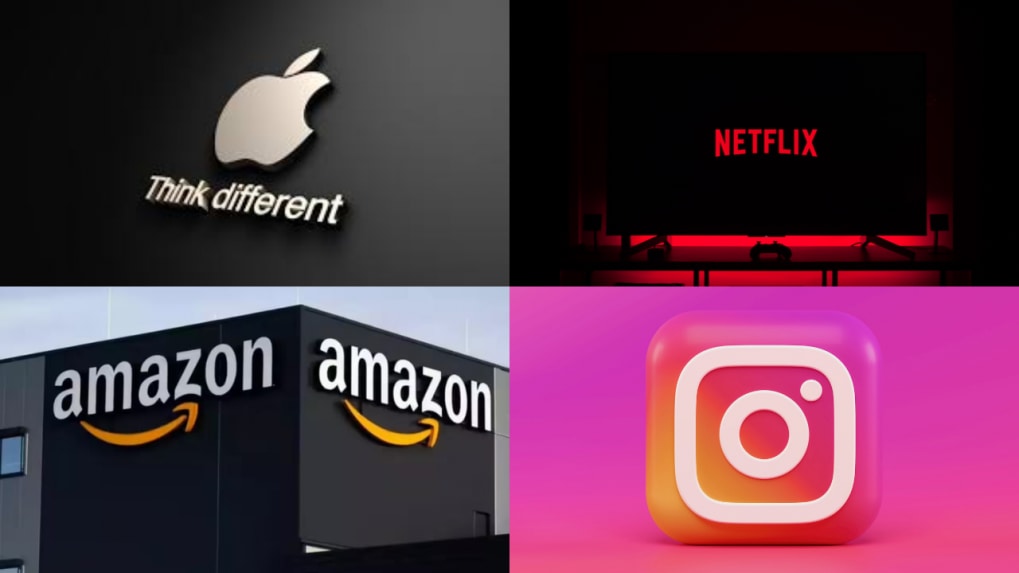
Apple doesn’t sell products. It sells identity.
You walk in to “just check prices.” You walk out convinced this laptop is who you are.
Apple stores are temples: – Open layouts – No clutter – Products at arm’s length
This triggers the Endowment Effect. When you touch something, your brain starts treating it as already yours. You’re no longer evaluating specs. You’re defending a future version of yourself.
Netflix removed choice — and doubled addiction.
Ever wonder why Netflix auto-plays the next episode? That’s choice architecture.
When given too many decisions, the brain resists. So Netflix removes the decision entirely.
No pause. No reflection. No “should I stop?”
Just momentum.
Your willpower never even gets invited into the room.
Amazon turned impatience into profit.
Prime didn’t win on price. It won on time perception.
“Free delivery tomorrow” collapses the pain gap between desire and reward.
Psychologically, waiting = cost.
Amazon erased the wait. Once speed becomes the norm, everything else feels broken.
That’s not convenience. That’s conditioning.
Zara thrives on anxiety, not fashion.
Why does Zara never have full size runs? Because of artificial scarcity.
Your brain reads missing sizes as demand. “If I don’t buy this now, it’ll be gone.”
So you buy fast. You buy unsure. You buy twice.
Fast fashion isn’t about trends. It’s about panic.
McDonald’s sells happiness, not hunger.
The colours aren’t accidental.
Red = urgency. Yellow = optimism.
The menu boards? Designed to overwhelm.
Your brain defaults to familiar combos because of cognitive overload.
You don’t explore. You comply.
That’s why “Would you like fries with that?” works. You’re already mentally tired.
Instagram hacked boredom.
Infinite scroll has no stopping cues.
No chapters. No endings. No natural exit points.
Your brain evolved to stop at edges. Instagram removed the edges.
This triggers variable reward — the same mechanism used in slot machines.
Starbucks priced a coffee at ₹400 — and won.
Not because of taste. Because of anchoring.Once ₹400 is normalised, ₹280 feels “reasonable”. Luxury isn’t always about aspiration. Sometimes it’s just math played on your mind.
The uncomfortable truth?
None of this is accidental.
Every button. Every layout. Every delay. Every colour.
Designed. Tested. Optimised.
Marketing today isn’t about shouting louder. It’s about understanding how humans actually behave — not how they claim they do.
Once you see it, you can’t unsee it. And once you can’t unsee it, you start asking better questions.
What brand behaviour has manipulated you the smartest?