
Budget 2026: India sets 10% global services target as govt highlights AI-driven job shifts
Budget 2026: Finance Minister Nirmala Sitharaman said a high-powered Education to Employment and Enterprise standing committee would be established to recommend policy measures aimed at strengthening the services sector

ADVERTISEMENT
India’s government has set an ambitious target of securing a 10 per cent share of the global services market by 2047, placing the sector at the centre of its long-term economic strategy amid rapid technological change.
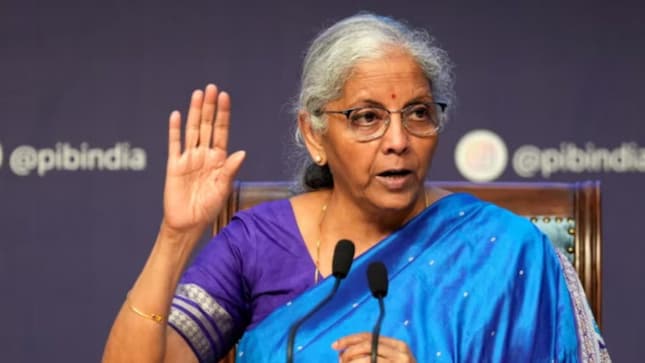
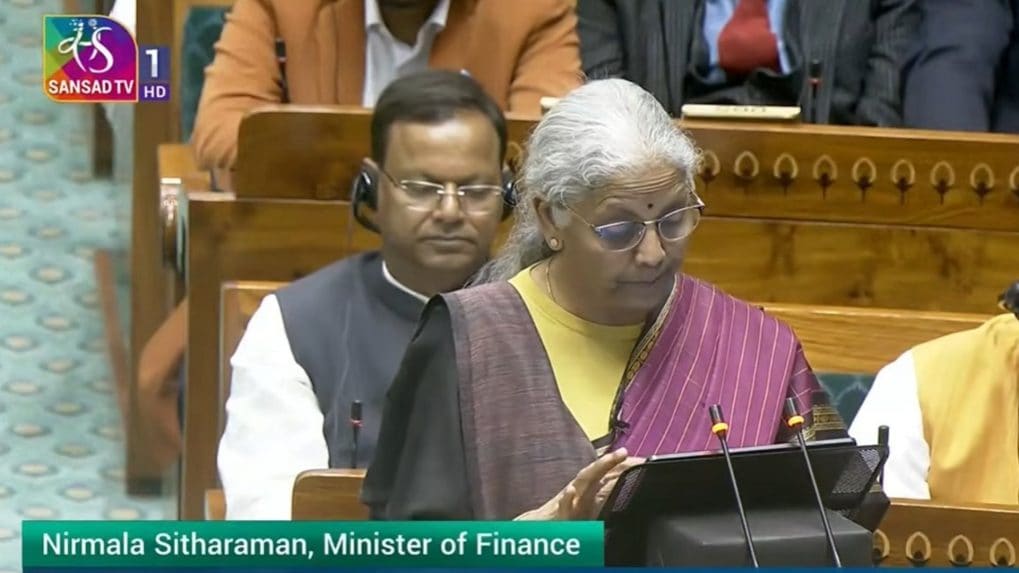
Presenting the Union Budget for 2026–27 on Sunday, finance minister Nirmala Sitharaman said a high-powered Education to Employment and Enterprise standing committee would be established to recommend policy measures aimed at strengthening the services sector as a driver of growth, employment and exports.
The committee will also assess how emerging technologies, including artificial intelligence, are likely to reshape labour markets and skill requirements, reflecting rising concerns over technology-led disruption in white-collar employment.
Sitharaman said the renewed emphasis on services was aligned with the government’s broader objective of building economic resilience and expanding opportunity in a technology-driven economy. She highlighted existing initiatives such as the India AI Mission, the National Quantum Mission and expanded public funding for research and innovation as part of efforts to broaden access to advanced technologies.
As part of the services push, the budget outlined targeted interventions in creative and digital industries. India’s animation, visual effects, gaming and comics sector is projected to require nearly two million skilled workers by 2030, according to government estimates. To support workforce development, the budget proposed funding for the Indian Institute of Creative Technologies in Mumbai to establish AVGC content creator laboratories in 15,000 secondary schools and 500 colleges nationwide.
The finance minister also announced a tax holiday until 2047 for foreign companies providing cloud services to Indian clients through data centres located in the country, a measure intended to encourage localisation of digital infrastructure and deepen India’s integration into global cloud supply chains.
The budget, Sitharaman’s ninth consecutive fiscal statement, comes against the backdrop of a cautious official approach to artificial intelligence policy. The Economic Survey for 2025–26, released last week, framed AI as an economic tool rather than a symbolic technology race, urging a bottom-up, sector-specific strategy built on open and interoperable systems.
The survey warned against heavy investment in large foundational AI models, advocating instead the adoption of smaller, task-specific systems capable of operating on limited hardware and decentralised computing networks. It also called for careful sequencing of regulation to avoid premature policy lock-ins amid global uncertainty and fiscal constraints.