
Budget 2026: ISM 2.0 launched, electronics component incentives raised to ₹40,000 Crore
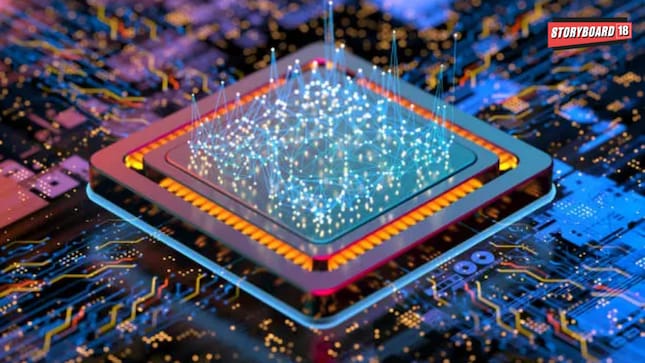
The government is scaling up its semiconductor and electronics manufacturing push, expanding incentives and widening the scope of domestic chip production to reduce import dependence and build long-term technological capability.

ADVERTISEMENT
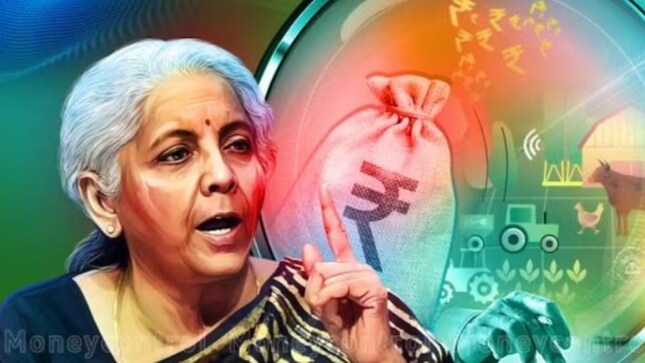
Finance Minister Nirmala Sitharaman on February 1 announced the next phase of India’s semiconductor strategy with the launch of India Semiconductor Mission (ISM) 2.0, alongside a significant expansion of incentives for electronics component manufacturing, as part of the Union Budget.
Presenting the Budget, Sitharaman said ISM 2.0 will build on the groundwork laid under the first phase of the mission, which focused on establishing semiconductor fabrication and assembly capacity within the country. The new phase marks a strategic shift from capacity creation to deeper ecosystem development.
Under ISM 2.0, the government will broaden the mission’s scope to include semiconductor equipment and materials manufacturing, as well as the development of full-stack Indian intellectual property. The initiative will also place greater emphasis on industry-led research and development, aimed at accelerating indigenous technology creation and building a skilled workforce for the semiconductor sector.
Also read: Budget 2026 Updates: Budget inspired by 3 kartavyas, says FM Nirmala Sitharaman
In parallel, the finance minister announced a major increase in funding for the Electronics Components Manufacturing Scheme (ECMS). Launched in April 2025 with an initial outlay of ₹22,919 crore, the scheme has already attracted investments exceeding twice its original target. Citing strong industry response, the government has now raised the allocation to ₹40,000 crore.
The ECMS scheme is designed to strengthen domestic manufacturing of critical electronic components and reduce India’s reliance on imports, particularly from East Asian supply chains. The expanded funding is expected to help deepen local value chains and support India’s broader goal of becoming a global electronics manufacturing hub.
Also read: Budget 2026: AI and cutting-edge technologies can act as growth multipliers, says Finance Minister
Together, ISM 2.0 and the expanded ECMS signal a more comprehensive and long-term approach to building India’s semiconductor and electronics ecosystem, moving beyond assembly and fabrication towards innovation, design, and supply chain resilience.