
AI anxiety grows at work as Gen Z emerges most concerned, Randstad survey shows
Demand for AI-related roles jumps sharply even as employees fear automation will favour employers over workers.

ADVERTISEMENT
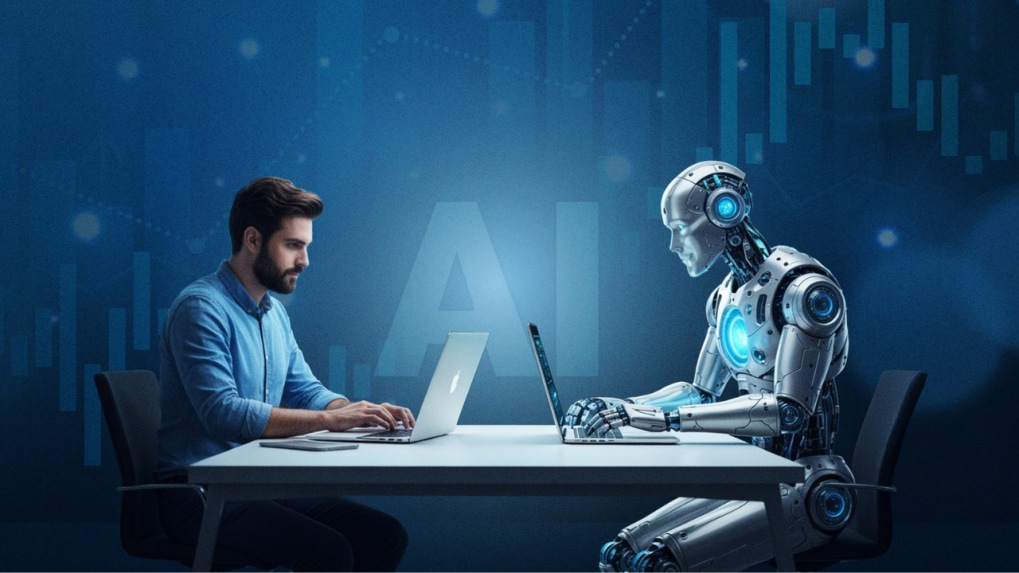
Concerns over the impact of artificial intelligence on everyday work are intensifying, particularly among younger employees, as companies increase their use of AI chatbots and automation tools, according to a new global survey by recruitment firm Randstad.
The survey found that nearly four in five workers expect artificial intelligence to influence their daily tasks at the workplace. Gen Z respondents emerged as the most worried about the changes underway, reflecting growing unease about how automation could reshape entry-level and routine roles.
At the same time, demand for specialised AI skills is rising rapidly. Job postings seeking “AI agent” capabilities have jumped by 1,587 percent, Randstad said in its annual Workmonitor report, signalling a sharp shift in employer priorities as organisations invest in automation and AI-driven processes.
Randstad surveyed 27,000 workers and 1,225 employers, analysing more than three million job postings across 35 markets to compile the report.
The findings come as labour markets face increasing strain from global economic uncertainty and a wave of corporate cost-cutting. Businesses across sectors have accelerated job reductions as consumer sentiment weakens, amid trade disruptions and geopolitical tensions that have unsettled global growth expectations.
While companies are betting heavily on artificial intelligence to boost efficiency, the workforce remains divided on who stands to benefit most. Nearly half of surveyed employees said they believe AI adoption will primarily favour employers rather than workers.
Randstad chief executive Sander van ’t Noordende said employees remain broadly open to using AI, but their enthusiasm is tempered by concern over corporate motives. Workers, he said, recognise the productivity gains offered by the technology but are wary of its potential to drive cost savings at the expense of jobs.
Also read: Davos 2026: Physical AI to grow into $1 trillion industry by 2030, says HCLTech CEO Vijayakumar
The survey also highlighted a generational divide. Gen Z workers expressed the highest levels of concern about AI’s impact, while Baby Boomers appeared more confident in their ability to adapt and reported lower levels of anxiety.
A gap also emerged between how employers and employees view business prospects. Around 95 percent of employers surveyed said they expect growth this year, compared with just 51 percent of workers who shared that optimism.
Together, the findings point to a workforce grappling with rapid technological change, where demand for AI skills is rising even as concerns over job security and fair distribution of gains remain unresolved.