
How to recreate Rehman Dakait’s Dhurandhar look using AI image tools
This step-by-step guide explains how users can reimagine themselves within the same visual language using AI image-generation tools such as Google Gemini, ChatGPT or similar platforms.

ADVERTISEMENT
Recreating a cinematic image inspired by Rehman Dakait from the film Dhurandhar is less about copying a costume and more about capturing presence, restraint and visual authority. The character’s appeal is rooted in controlled body language, subdued styling and an environment that appears lived-in rather than staged. This step-by-step guide explains how users can reimagine themselves within the same visual language using AI image-generation tools such as Google Gemini, ChatGPT or similar platforms.
Rehman Dakait’s screen presence in Dhurandhar is defined by minimalism. His clothing is dark and functional, his movement unhurried, and the setting grounded and raw. To recreate this effectively, users must guide the AI with precise references, carefully chosen keywords and an understanding of cinematic composition rather than relying on generic prompts.
Step one: Choose the right base image
Users should start with a clear photograph showing their face and a natural posture. Full-body or three-quarter walking shots work best. Selfies, exaggerated poses or studio-lit images should be avoided, as the base image needs to be neutral enough for the AI to reshape it into the Dhurandhar visual style.
Step two: Use an exact film reference
A still image or screenshot from the film or its songs should be uploaded alongside the base image. Providing a direct visual reference helps the AI understand the composition, tone and character placement more accurately.
Step three: Anchor the prompt with precise references
Prompts should explicitly mention elements such as Rehman Dakait from the Dhurandhar film, a cinematic Indian film still, restrained screen presence and calm authority. These phrases steer the AI towards the character’s visual grammar instead of producing a generic cinematic result.
Step four: Define the Dhurandhar-style environment
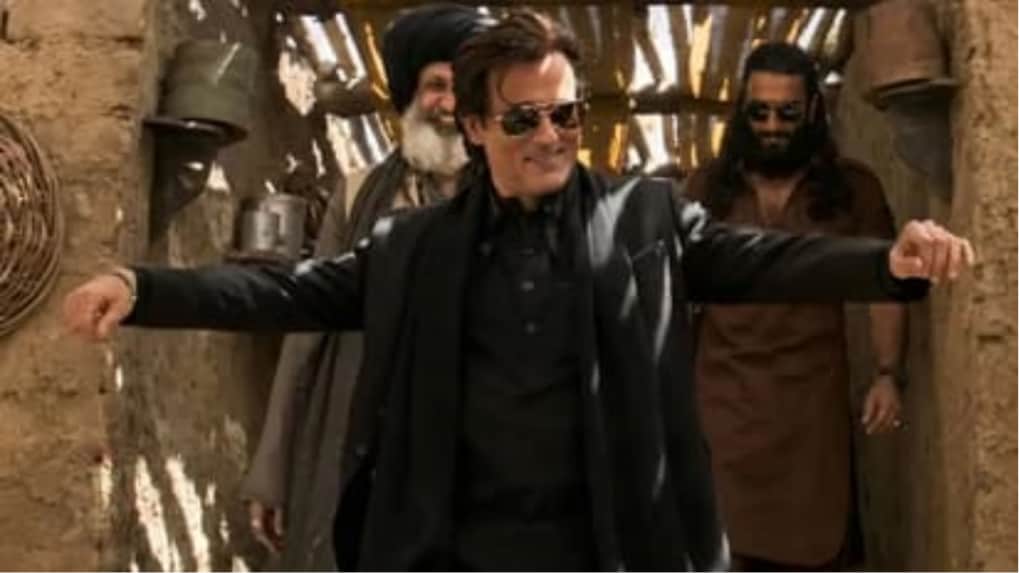
The setting should be described before the subject. References can include a rustic alley or narrow village path, mud or stone walls, wooden beams, woven baskets and filtered sunlight creating patterned shadows. This helps avoid modern or urban backdrops that break the film’s aesthetic.
Step five: Fix the wardrobe to the character’s tone
Clothing should communicate functional authority. Descriptions can include an all-black or deep charcoal outfit, a long black coat or structured jacket, a kurta-style or buttoned shirt, dark trousers and aviator-style sunglasses. Modern streetwear terminology should be avoided to maintain the grounded look seen in the film.
Step six: Specify body language and expression
Most recreations fail at this stage. Prompts should clearly state a slow, deliberate walk, relaxed shoulders, minimal arm movement, a neutral and unreadable expression and a slightly raised or turned head. The aim is quiet confidence rather than aggression.
Step seven: Set cinematic camera and lighting cues
Technical details should be stated clearly, including an eye-level camera angle, a mid-shot or full-body frame, shallow depth of field, warm natural daylight and an earthy colour palette consistent with a film still.
Step eight: Generate, assess and refine
Once the image is generated, it should be compared with original Dhurandhar frames. Refinements should be made one element at a time, such as adjusting posture, lighting warmth or clothing fit. Rewriting the entire prompt should be avoided unless the output strays significantly from the intended style.
Prompt:
A wide cinematic shot shows a group of men walking forward together across a stark, mountainous outdoor landscape beneath a pale sky. The camera angle, framing, lighting, depth of field, environment and colour grading closely match the reference image. The group arrangement remains intact, with an older man in a black turban and robe positioned on the far left, a bearded man in a dark jacket and sunglasses slightly behind near centre-left, a dominant lead figure on the right dressed entirely in black with sunglasses and a subtle hand gesture near his face, and additional figures following behind in the same formation.
One additional person, representing the user, is integrated naturally into the group between the centre and right. The figure walks at the same pace and wears an all-black outfit comprising a black T-shirt, black open overshirt or jacket, black jeans, black shoes and black sunglasses. Posture, stride, expression and presence align with the group’s restrained and confident body language. No other individual’s clothing, pose, facial expression, accessories or placement is altered.
Pink rose petals are suspended mid-air across the frame as in the original image, with wind gently affecting hair and clothing. The mood remains calm, controlled and intimidating. No new props, people or background changes are introduced. The visual style is ultra-realistic, with sharp subject focus, soft atmospheric haze in the background, shallow depth of field, cinematic colour grading, natural skin tones and a high-resolution film still finish.