
Microsoft AI chief on people turning to chatbots for breakups and family disputes, says 'This is not therapy'
During the discussion, Suleyman explained that many people seek a private space where they can repeatedly ask basic or uncomfortable questions without fear of embarrassment.

ADVERTISEMENT
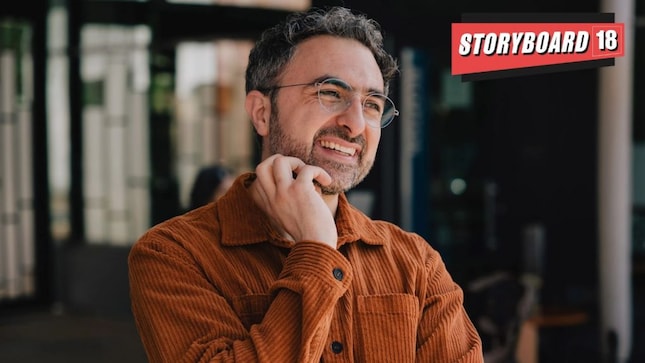
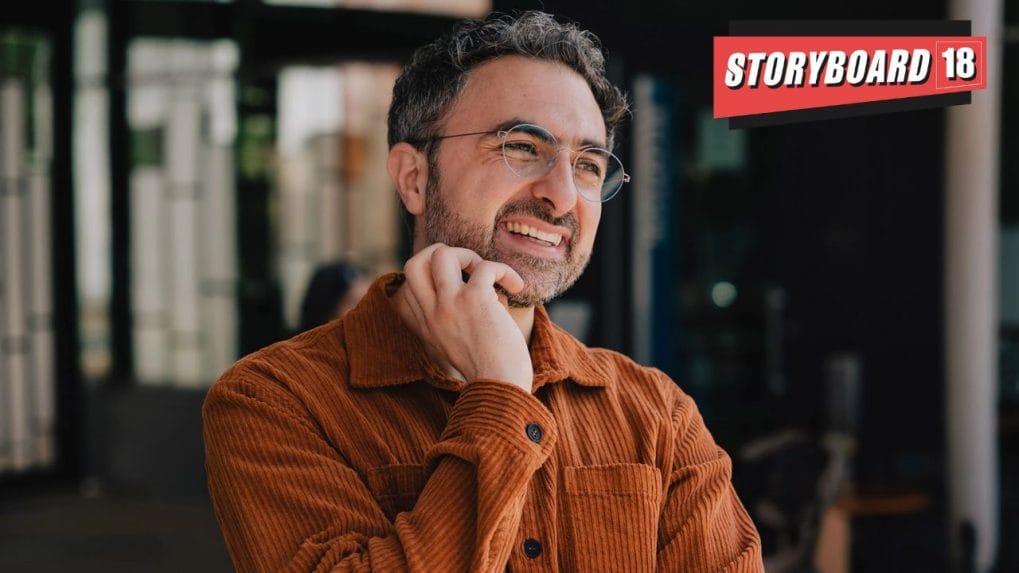
Microsoft AI chief executive Mustafa Suleyman has highlighted a growing trend of people using artificial intelligence chatbots to navigate personal issues ranging from relationship breakups to family disagreements. Speaking on a recent podcast, Suleyman said companionship and emotional support have emerged as some of the most common use cases for AI chatbots, according to reports.
Appearing on Mayim Bialik’s Breakdown podcast, Suleyman said users are increasingly turning to AI systems to help them process difficult emotions and situations. He stated that while such tools are not a substitute for therapy, their design as non-judgmental and non-directive systems that rely on empathetic and respectful communication has made them valuable to many users. Suleyman informed that these characteristics allow chatbots to practise reflective listening and even-handed responses, which he believes fulfil a growing need globally.
Suleyman also said he views AI chatbots as tools that can help people detoxify emotionally and show up better in their real-world relationships. He added that chatbots can play a positive role by spreading kindness and helping individuals approach interactions with loved ones in a more balanced way.
During the discussion, Suleyman explained that many people seek a private space where they can repeatedly ask basic or uncomfortable questions without fear of embarrassment. He said chatbots offer users a sense of being seen and understood over time, in a way that is usually limited to close friends or partners.
However, Suleyman acknowledged potential risks associated with relying on AI chatbots for personal matters. He said there is a clear dependency risk and cautioned that chatbots can sometimes become overly flattering or sycophantic, which may not always be helpful.
The comments place Suleyman among several tech leaders who see a role for AI in emotional support. In a May 2025 interview with the Stratechery newsletter, Meta chief executive Mark Zuckerberg said he believed everyone would eventually have access to an AI therapist, particularly those without access to a human professional.
At the same time, concerns remain within the industry. OpenAI chief executive Sam Altman has publicly expressed discomfort with people relying on chatbots to make major life decisions. In an August post on X, Altman stated that while widespread trust in AI advice could have benefits, it also made him uneasy. He also highlighted potential legal and ethical risks during an appearance on the podcast This Past Weekend with Theo Von in July, pointing to the complexities of using AI systems as substitutes for therapy.