
Mangaluru emerges as cost-efficient hub for next wave of data centres, KDEM study finds
A feasibility report positions the coastal city as a strategic satellite to Bengaluru for AI- and cloud-ready digital infrastructure

ADVERTISEMENT
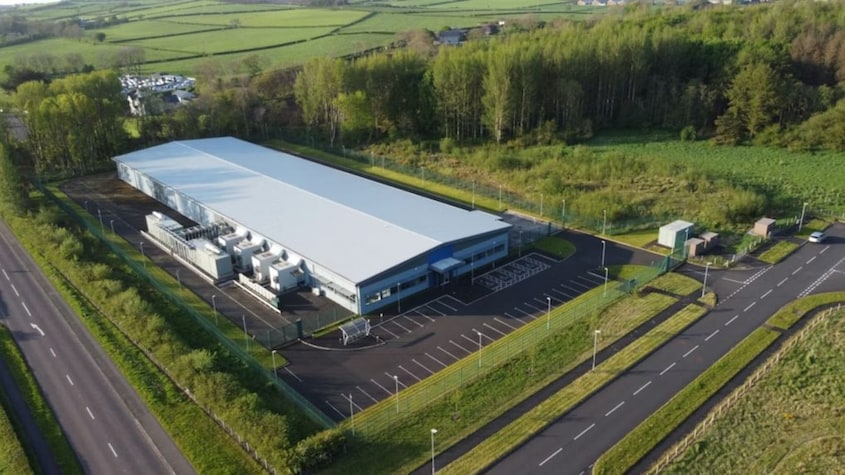
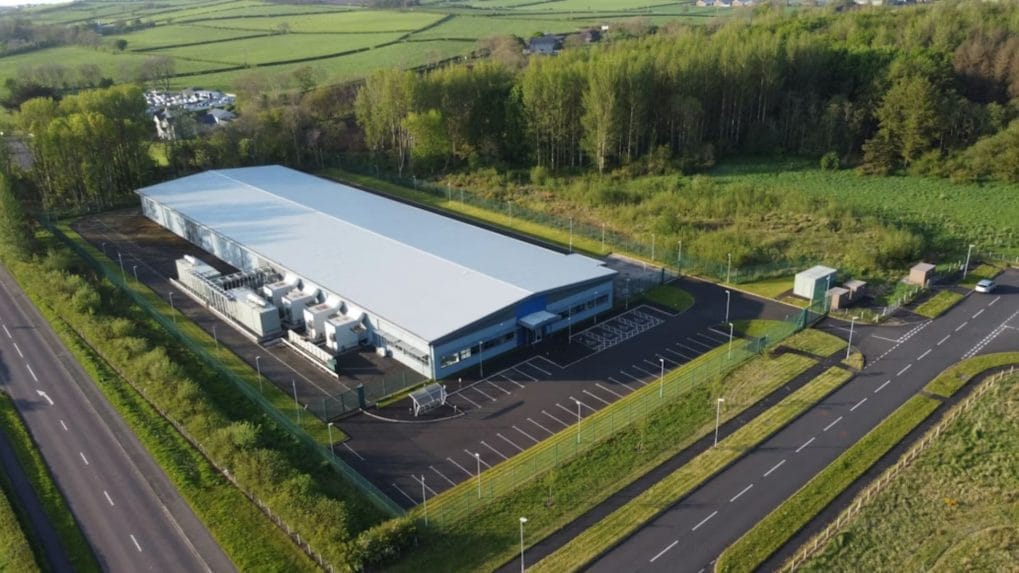
Mangaluru is increasingly being viewed as a viable destination for large-scale data centre development in India, driven by its coastal location, reliable power infrastructure and cost advantages, according to the Mangaluru Data Centre Feasibility Study 2025. The study highlights the city’s potential role in supporting India’s rapidly expanding digital infrastructure needs amid growing demand for cloud computing and artificial intelligence workloads.
The feasibility study, conducted by the Karnataka Digital Economy Mission (KDEM) in partnership with the Silicon Beach Program and Deloitte India, evaluates Mangaluru’s ability to complement Bengaluru within a hub-and-spoke digital architecture. Under this model, Bengaluru would remain the primary hub, while Mangaluru would serve as a decentralised “spoke” for compute, disaster recovery and business continuity operations.
Also read: Louis Gerstner, who revived IBM from crisis to tech powerhouse, dies at 83
As India’s total data centre capacity is projected to reach 10–12 GW by 2030, the report argues that secondary cities such as Mangaluru will play a critical role in reducing latency, distributing workloads and strengthening resilience for mission-critical applications.
Cost economics emerge as a key differentiator. According to the study, land leasing rates in Mangaluru average about ₹7.69 per square foot per month, offering a four-to-five-fold cost advantage over Mumbai and a notable saving compared with Chennai, depending on asset class and location. Power tariffs range between ₹5.95 and ₹6.60 per kWh, making the city more competitive than Chennai and comparable with other established data centre markets.
These factors, combined with high grid reliability and assured industrial water availability, lower the total cost of ownership for operators and improve long-term returns, particularly for large-scale and AI-intensive data centre deployments.
Announcing the findings, KDEM Chairman B.V. Naidu said Mangaluru offers a strong combination of infrastructure readiness and economic viability. He added that the city is well positioned to host mission-critical workloads while reinforcing Bengaluru’s role as India’s digital nerve centre.
Rohith Bhat, Lead Industry Anchor for the Mangaluru cluster at KDEM and a founding member of the Silicon Beach Program, said the city has quietly assembled the core fundamentals required for a future-ready data centre ecosystem, including multimodal connectivity, grid stability and a growing talent base. He noted that the roadmap outlined in the study could help unlock up to 1 GW of sustainable, AI-ready data centre capacity in the region.
The study outlines several long-term demand drivers for decentralised digital infrastructure across southern India. Mobile subscribers in the region are projected to exceed 31 crore by 2030, while monthly data consumption is expected to nearly double to around 14,889 petabytes.
Also read: Plea in Supreme Court seeks review of ‘magic remedies’ law, inclusion of AYUSH doctors
It also points to rising investment activity linked to Global Capability Centres (GCCs), with approximately $240 million in acquisitions and growing nano-GCC presence across sectors such as BFSI, RegTech and FinTech. Mangaluru currently ranks among India’s top eight emerging GCC locations.
From an infrastructure standpoint, the region offers about 1,000 acres of land in Balkunje and around 164 acres within the Mangaluru Special Economic Zone for large-scale developments. Its placement in Seismic Zone III and elevation of 20–50 metres above sea level help mitigate environmental and climate-related risks.
Karnataka’s power grid, comprising 107 substations ranging from 66 kV to 400 kV, has recorded zero unmet peak demand in recent years and is supported by expanding renewable energy capacity. The local talent pool further strengthens viability, with the Mangaluru–Udupi belt home to roughly 25,000 IT professionals and producing more than 20,000 STEM graduates each year.