
Louis Gerstner, who revived IBM from crisis to tech powerhouse, dies at 83
The former IBM CEO is widely credited with steering ‘Big Blue’ away from collapse and reshaping its business model

ADVERTISEMENT
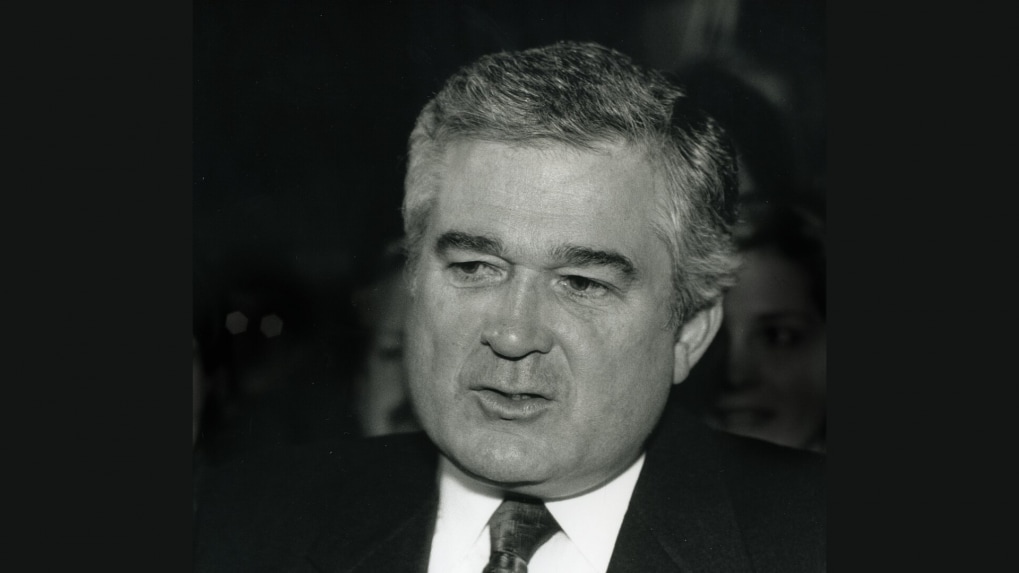
Louis Gerstner, the former chairman and chief executive officer of International Business Machines Corp. who led one of the most significant corporate turnarounds in modern business history, has died at the age of 83. IBM chairman and CEO Arvind Krishna informed employees of his passing in an internal message on Sunday. The cause of death was not disclosed.
Gerstner took charge of IBM in April 1993, becoming the first external leader in the company’s history at a time when the technology giant was teetering on the brink of collapse. Once dominant in personal computers and mainframes, IBM was struggling with massive losses and internal fragmentation, with serious discussions underway about breaking the company into smaller units.
Instead of dismantling the firm, Gerstner opted for integration. He reversed plans to split IBM into semi-autonomous businesses and repositioned the company away from hardware dependence toward enterprise services and software. His approach marked a sharp departure from IBM’s long-standing culture, which had prioritised divisional independence and lifetime employment.
Also read: UP mandates daily 10-minute newspaper reading in schools to cut screen time
To stabilise the company, Gerstner implemented sweeping cost cuts, sold non-core assets, and reduced the workforce by tens of thousands. He replaced annual performance reviews with frequent accountability checks and tied compensation to company-wide results rather than individual units. “People do what you inspect, not what you expect,” he famously said.
One of his most consequential decisions was ending IBM’s practice of tightly bundling proprietary products. Gerstner exited underperforming businesses, including the OS/2 operating system, and repositioned IBM as a technology integrator willing to work with non-IBM hardware and software. Under his leadership, the company focused heavily on middleware, software that enables databases, transaction systems, and enterprise applications to work together.
Gerstner also placed early bets on the internet and e-business, anticipating that enterprise computing would shift toward networked systems and services rather than standalone personal computers. Strategic acquisitions, including the purchase of Lotus Development Corp., strengthened IBM’s collaboration and enterprise software offerings.
During his nine-year tenure, IBM’s services revenue surged from $7.4 billion in 1992 to about $30 billion by 2001. The company’s share price rose sharply, and its market value expanded severalfold, cementing Gerstner’s reputation as one of the most effective turnaround leaders in corporate history.
Also read: Domestic airlines issue advisories as severe AQI, fog disrupt flights at Delhi airport
Born in 1941 in Mineola, New York, Gerstner earned an engineering degree from Dartmouth College and an MBA from Harvard University. He began his career at McKinsey & Co., later holding senior leadership roles at American Express and RJR Nabisco before joining IBM.
After stepping down from IBM in 2002, Gerstner served as chairman of private equity firm Carlyle Group, overseeing its global expansion. He later focused on philanthropy through Gerstner Philanthropies, supporting healthcare, education, environmental initiatives, and social services.
In his memoir, Who Says Elephants Can’t Dance?, Gerstner described IBM’s reinvention as the most difficult and risky transformation of his career. His leadership continues to be studied as a defining example of decisive management during corporate crisis.