
Man credits Elon Musk’s Grok AI for prompting life-saving medical care
A 49-year-old man says an AI chatbot helped him recognise warning signs and seek urgent treatment after his condition was initially missed

ADVERTISEMENT
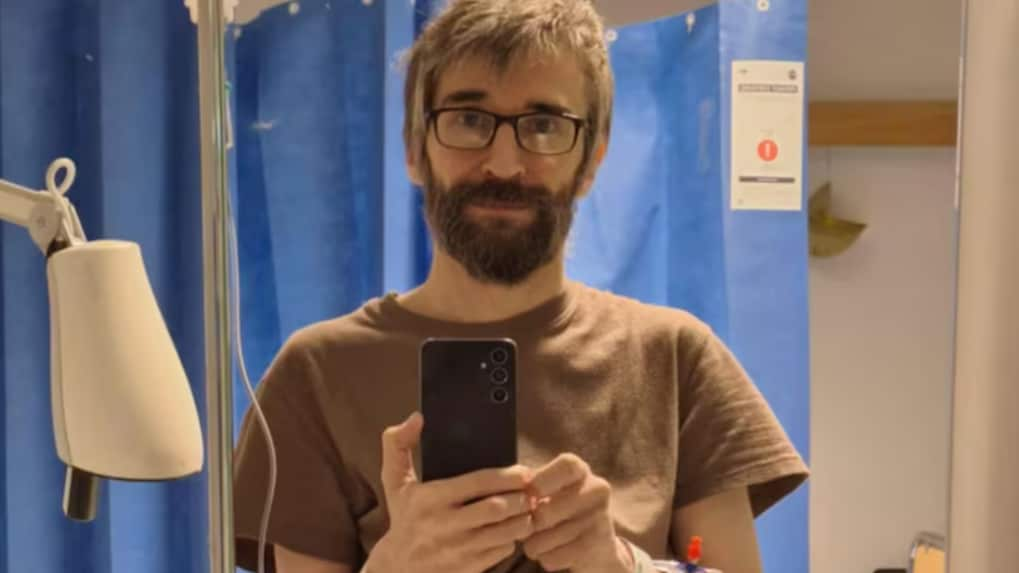
A 49-year-old man has said that Elon Musk’s AI chatbot Grok played a crucial role in prompting him to seek urgent medical care after an initial hospital visit failed to identify a serious abdominal emergency.
The account, shared in a detailed Reddit post by a user identified as “tykjen,” describes how the man endured more than a day of intense abdominal pain that left him unable to lie flat and offered only limited relief when curled up. Despite the severity of the pain, he reported no fever, visible bleeding or other classic warning signs.
Concerned, he visited an emergency room where a physical examination reportedly found no immediate red flags. He was prescribed medication to reduce stomach acid and discharged. However, the pain persisted at a high intensity, prompting him to seek additional input later that night.
Also read: Startup founder says Gurugram homes are built for high-income buyers
According to the post, the man turned to Grok, an artificial intelligence chatbot developed by xAI, and described his symptoms in detail. The chatbot reportedly identified the situation as potentially serious, flagging conditions such as atypical appendicitis and gastrointestinal perforation. It also advised him to return to the hospital and request imaging, particularly a CT scan.
Taking that advice, the man returned to the emergency department and requested further evaluation. Doctors agreed to conduct imaging, which revealed an inflamed appendix that was close to rupturing. He was subsequently admitted for emergency laparoscopic surgery, which lasted several hours.
Following the procedure, the man said his pain resolved completely, and he recognised that the outcome could have been far worse had treatment been delayed. He stressed that the AI tool did not diagnose his condition or provide medical care, but helped him recognise the seriousness of his symptoms and advocate for further testing.
Also read: Bengaluru Zomato delivery agent’s video on doorstep delivery struggles sparks online debate
Medical professionals continue to warn against using AI tools as substitutes for clinical diagnosis. However, the incident has renewed discussion about the potential role of artificial intelligence as a supplementary resource, particularly when patients feel their concerns have been dismissed or overlooked.
The man concluded his account by urging others to trust their instincts when something feels wrong and to seek medical attention again if symptoms persist, regardless of initial reassurance.