
Google, Apple warn visa holders against international travel

ADVERTISEMENT
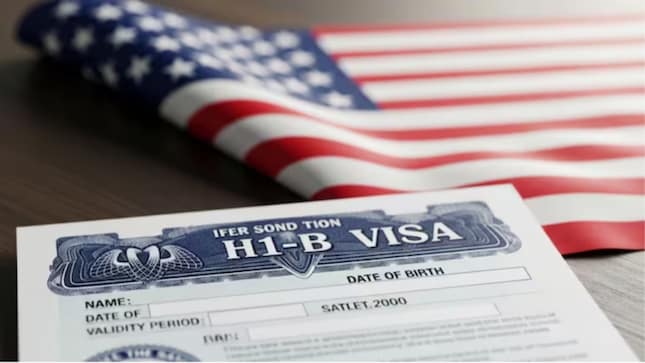
Some of America’s largest technology companies are warning employees on U.S. work visas to think twice before leaving the country, as per reports. Google and Apple have advised certain staff members to refrain from international travel after visa-stamping appointments at U.S. embassies and consulates began facing delays that can stretch as long as 12 months, according to a report by Business Insider, citing internal company communications.
The delays are linked to expanded social media screening requirements introduced as part of stricter immigration vetting, immigration law firms told the publication. The backlog has raised concerns that workers who leave the United States for visa renewal could find themselves unable to return for extended periods if appointments are postponed.
In a memo sent last week by BAL Immigration Law, which represents Google, employees were cautioned that some U.S. diplomatic missions are experiencing “significant visa stamping appointment delays,” reportedly lasting up to a year. The advisory warned that international travel could result in “an extended stay outside the U.S.” The guidance applies to holders of several visa categories, including H-1B, H-4, F, J and M visas, reports said.
Apple issued a similar warning. Fragomen, the immigration law firm that advises the company, sent a memo to certain visa holders urging them to avoid travel if they did not already have a valid H-1B visa stamp, according to reports. The firm cited the risk of unpredictable and prolonged delays when attempting to re-enter the United States and recommended that employees consult Apple’s immigration team before making travel plans that could not be deferred.
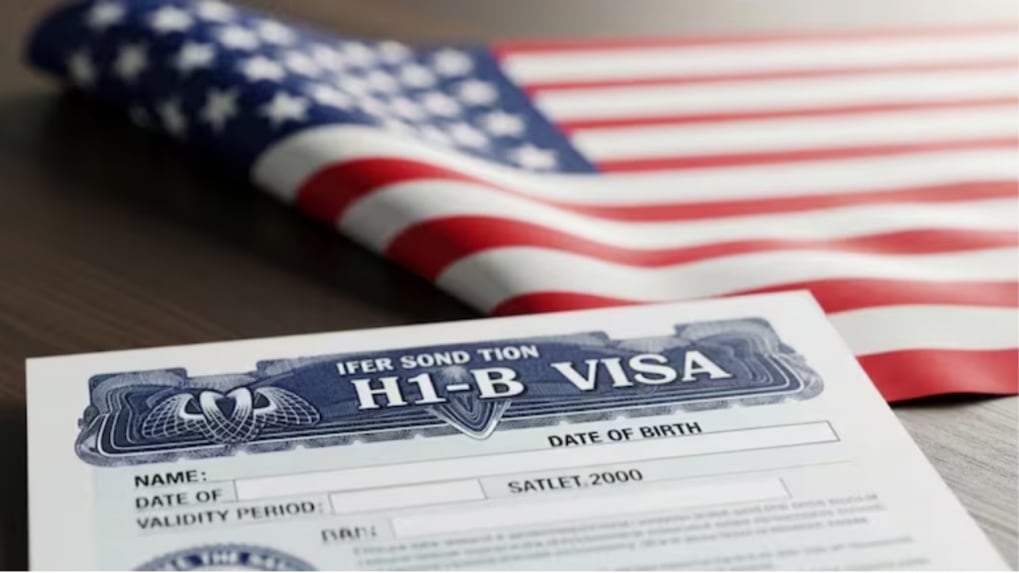
The advisories come amid heightened scrutiny of employment-based visas under President Donald Trump, who recently announced stricter vetting of H-1B applicants, including expanded screening of social media accounts. The H-1B programme, widely used by U.S. technology companies to hire skilled workers—particularly from India and China—has faced increased regulatory pressure, including the introduction this year of a $10,000 fee for new applications.
Alphabet, Google’s parent company, had issued similar guidance earlier this year. In September, it strongly recommended that employees avoid international travel and advised H-1B visa holders to remain in the United States, according to a Reuters report.
The H-1B visa is typically granted for up to three years and can be renewed. However, workers who require a new visa stamp must generally complete the process at a U.S. embassy or consulate outside the country—often in their home country or a place where they hold legal residency—making prolonged appointment delays a significant risk for internationally mobile employees.
Also read: Indian tech aspirants choose Germany, UK, Singapore as US visa pressure mounts