
ChatGPT still can’t tell the time, and here's what OpenAI says about it
As the technology grows more advanced and increasingly substitutes human effort across industries, this quirk serves as a reminder: some everyday tasks remain firmly within the domain of human common sense, at least for now.

ADVERTISEMENT
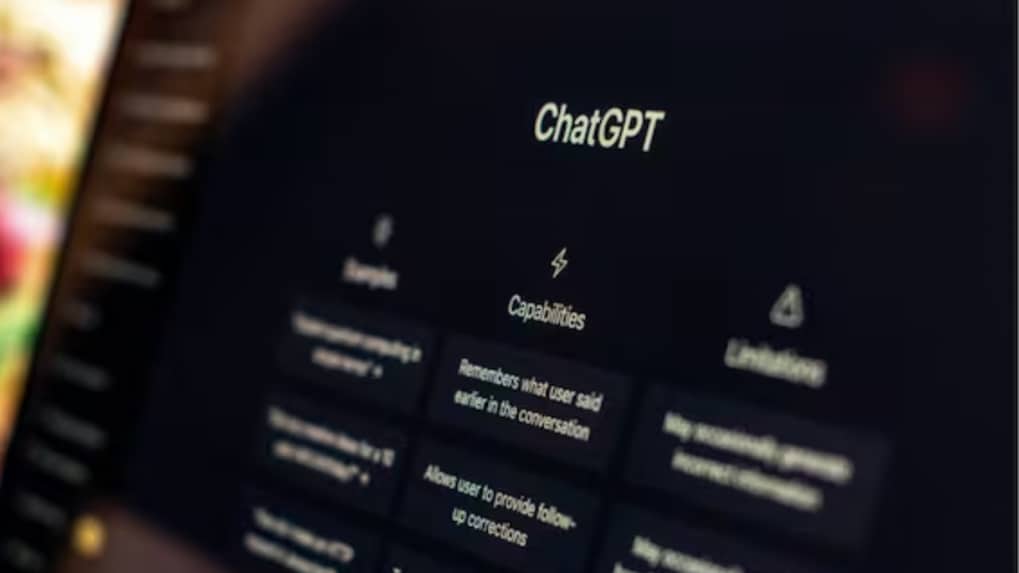
ChatGPT and several other leading AI chatbots may be capable of offering health advice, generating complex analysis and trawling the internet for information, but there is one surprisingly simple question they still cannot answer: What’s the time?
Multiple reports have highlighted this curious limitation, noting that large language models can only perform tasks they are explicitly trained to do. It appears that understanding or reporting the current time is not part of that training. As a result, ChatGPT typically responds by directing users to check the clock on their phone, laptop or another device, as per media reports.
ChatGPT and Anthropic’s Claude are the most prominent examples of this gap. In contrast, digital assistants from Google and Apple have long been able to provide the exact time on request, signalling that this capability can indeed be engineered into AI systems.
When questioned about the issue, OpenAI told The Verge that “the models powering ChatGPT don’t have built-in access to the current time, so for up-to-date facts ChatGPT sometimes needs to call search to pull in the latest information.” The explanation has raised eyebrows, given that competing AI agents appear to have no difficulty offering the time without relying on external search mechanisms.
Observers expect that OpenAI will eventually equip ChatGPT with this function, especially as generative AI tools race ahead in capability and commercial adoption. While the inability to tell the time may seem trivial, it underscores the broader reality that AI systems still have defined boundaries — and operate within parameters set by human developers.
As the technology grows more advanced and increasingly substitutes human effort across industries, this quirk serves as a reminder: some everyday tasks remain firmly within the domain of human common sense, at least for now.