
President Trump sues BBC for $10 billion over alleged defamatory edit
U.S. president alleges misleading edits falsely portrayed him as inciting violence at the Capitol

ADVERTISEMENT
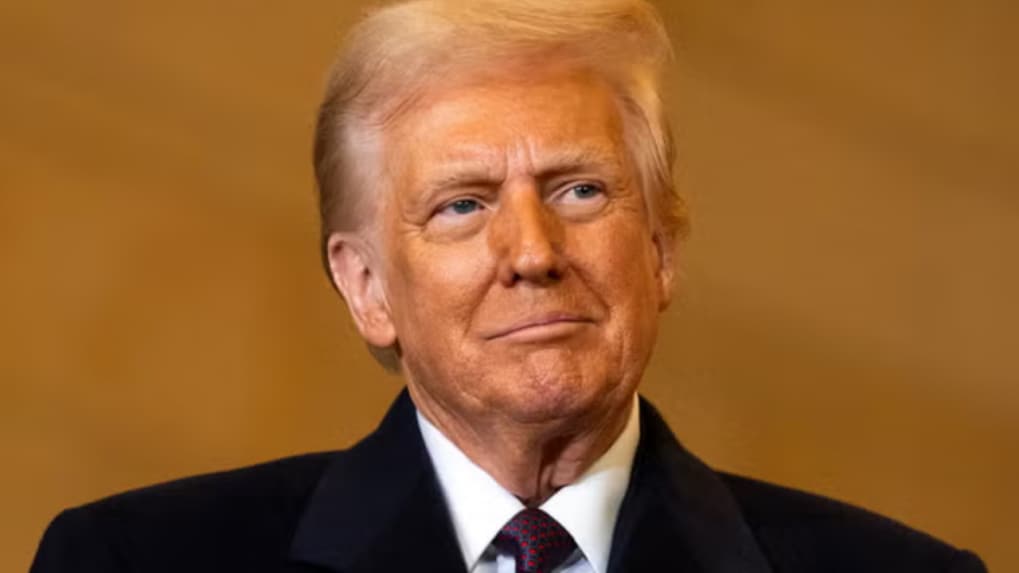
U.S. President Donald Trump has filed a sweeping lawsuit against the BBC, seeking at least $10 billion in damages over edited footage of his January 6 speech that he claims falsely depicted him as urging supporters to violently storm the U.S. Capitol.
The lawsuit, filed in a federal court in Miami, accuses Britain’s publicly funded broadcaster of defamation and deceptive practices, alleging that it selectively edited Trump’s January 6, 2021 address to create a misleading impression. According to the filing, the BBC combined excerpts in which Trump encouraged supporters to march to the Capitol with his use of the phrase “fight like hell,” while excluding remarks calling for peaceful protest.
Also read: Doordarshan floats ₹7-crore tender to procure 46 non-linear editing systems
Trump argues that the edit wrongly portrayed him as issuing a direct call for violence, causing lasting damage to his reputation and financial interests. He is seeking at least $5 billion in damages under each of two claims: defamation and violations of Florida’s unfair and deceptive trade practices law.
The BBC has acknowledged an editorial error and previously apologised, conceding that the edit may have given viewers an incorrect impression. However, the broadcaster has insisted there is no legal basis for the lawsuit and has said it will defend the case, declining to comment further.
A spokesperson for UK Prime Minister Keir Starmer said the matter was for the BBC to handle independently, while reaffirming the government’s support for a strong and impartial public broadcaster. The case emerges as Starmer continues efforts to maintain a constructive relationship with Trump following his return to the White House.
Trump’s legal team has accused the BBC of persistent bias, arguing that the broadcaster has failed to demonstrate meaningful remorse or introduce safeguards to prevent similar editorial decisions in the future.
Also read: “Confusion creates opportunity for agile players,” Sir Martin Sorrell on industry consolidation
The disputed footage appeared in a Panorama documentary aired shortly before the 2024 U.S. presidential election and later became the centre of a major internal controversy at the BBC. The episode reportedly led to the resignation of two senior executives after concerns were raised by an external standards adviser about the programme’s editorial judgment.
Although the BBC has said the documentary was not broadcast on U.S. television, Trump’s lawsuit contends it was available to American audiences through BritBox, a streaming service partly owned by the BBC.
Legal experts note that defamation claims in the UK must be filed within one year, a deadline that has passed in this case, leaving U.S. courts as Trump’s primary legal avenue. Under U.S. law, Trump must prove that the BBC knowingly broadcast false material or acted with reckless disregard for the truth, a high threshold given constitutional protections for press freedom.
The BBC, funded largely through a mandatory television licence fee, reported nearly £6 billion in annual revenue in its most recent financial year. Analysts say any significant financial penalty could become politically contentious in the UK.
The lawsuit adds to a series of legal actions Trump has brought against media organisations he accuses of unfair or misleading coverage, as his administration continues to challenge what it describes as entrenched bias in major news outlets.