
Why Supriya Sule’s ‘Right to Disconnect’ Bill is back & why's it striking a chord with India’s workforce
As the bill returns to Parliament, online reactions reveal growing frustration with India’s always-on work culture and gaps in existing labour reforms.

ADVERTISEMENT
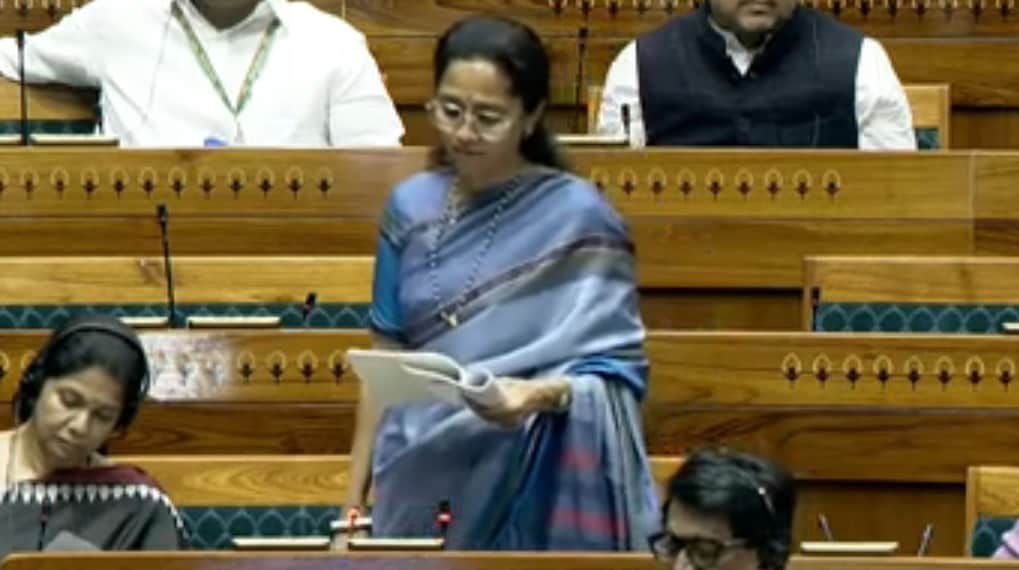
NCP MP Supriya Sule has reintroduced the “Right to Disconnect Bill” in Parliament, reviving a proposal she first brought forward in 2019. The earlier version did not advance, but the digital-first work culture that has intensified since the pandemic has made the issue relevant once again. At its core, the bill seeks to give employees the legal right to disconnect from work-related calls, emails and messages after office hours, without facing any adverse consequences.
What the Bill proposes
The bill requires companies to establish clear rules governing after-hours communication and to create an Employee Welfare Committee to negotiate those terms. It also proposes penalties for employers who violate agreed-upon boundaries and compensation for after-hours work. The idea aligns with global policy trends, countries like France, Italy and Portugal have already codified similar rights, and aims to address rising concerns around burnout, 24/7 availability and erosion of personal time.
Why workers are reacting strongly
The bill’s reappearance has triggered a wave of online responses, many of which reflect the lived reality of an “always-on” work environment. On social media, several users expressed relief, saying the boundary between work and personal life has become increasingly blurred. One user summed this up simply: “‘After work’ should really stay ‘after work’.” Another called it a corrective step, writing: “Big step for work-life balance… ‘after work’ should really stay ‘after work’.”
Others appreciated Sule directly for reintroducing the issue: “I truly appreciate Supriya Sule ji… a much-needed step towards better work-life balance.”
These reactions highlight how the bill resonates across sectors, from IT to finance to media, where late-night WhatsApp messages, Slack notifications and urgent emails have extended the workday without additional compensation.
But the scepticism is just as strong
Alongside support, a significant amount of cynicism emerged, reflecting long-standing doubts about the implementation of labour protections in India. One widely circulated comment stated bluntly: “The chances of it passing are 0.” Another user remarked on the larger climate of overwork, saying: “People only want to pass 18-hour day requirements.”
Some criticisms targeted corporate culture directly. A comment that found broad resonance described the perceived resistance from employers: “Corporate overlords will never let this happen… they get extremely happy milking an average employee at the brink to make profit.” Others pointed to a cultural valorisation of long hours, referencing popular narratives like: “Oooh this will make Narayan Murthy very unhappy, he wants us working 80–90 hours a week.”
Together, these reactions underline both the popularity of the idea and the scepticism about its political or practical feasibility.
Where this fits into India’s broader labour reforms
The conversation is unfolding at a time when India’s labour landscape is already undergoing major restructuring. The Four Labour Codes, implemented in November 2025, consolidated 29 separate labour laws into four unified codes on wages, social security, health and safety, and working conditions. By updating and streamlining earlier legislation, the Codes modernised the legal framework governing benefits, safety and employment terms for a wide range of workers, including gig and informal-sector employees.
However, while the Codes address pay, benefits and workplace standards, they do not regulate after-hours communication or the digital spillover of work into personal time. This gap has made Sule’s bill newly relevant: it directly targets the questions that the Codes leave untouched, availability, boundaries, overtime expectations and the right to personal time in a hyper-connected economy.
Why the Bill matters even if it doesn’t pass
Private members’ bills rarely become law, a fact many online commentators quickly pointed out. But even if the bill does not move forward, it forces Parliament to acknowledge an issue that has become central to India’s urban workforce. The strong reactions show that the debate is no longer theoretical, it reflects daily experiences across industries.
By reintroducing the bill, Sule has brought back a conversation that many workers want to have: How much access should employers have after hours? Should digital boundaries be a matter of policy rather than personal negotiation? And what does a healthy work-life balance look like in an economy where work is carried in one’s pocket?
The renewed debate suggests one thing clearly, the right to disconnect is no longer a fringe idea. It is increasingly seen as a necessary component of modern labour rights in a digital India.