
No plans to regulate AI in scriptwriting yet, govt tells Rajya Sabha despite industry concerns
Centre acknowledges rising use of AI for dialogues, storylines and screenplays but says no amendments to the Cinematograph Act are under consideration.

ADVERTISEMENT
The government on Friday confirmed that it has no plans to regulate the growing use of artificial intelligence in film and media scriptwriting, even as Indian screenwriters, studios and creative guilds voice concerns about originality, copyright, and job displacement.
Ad Agencies in Crisis: Brands demand 25% fee cuts as AI wipes out timelines and costs
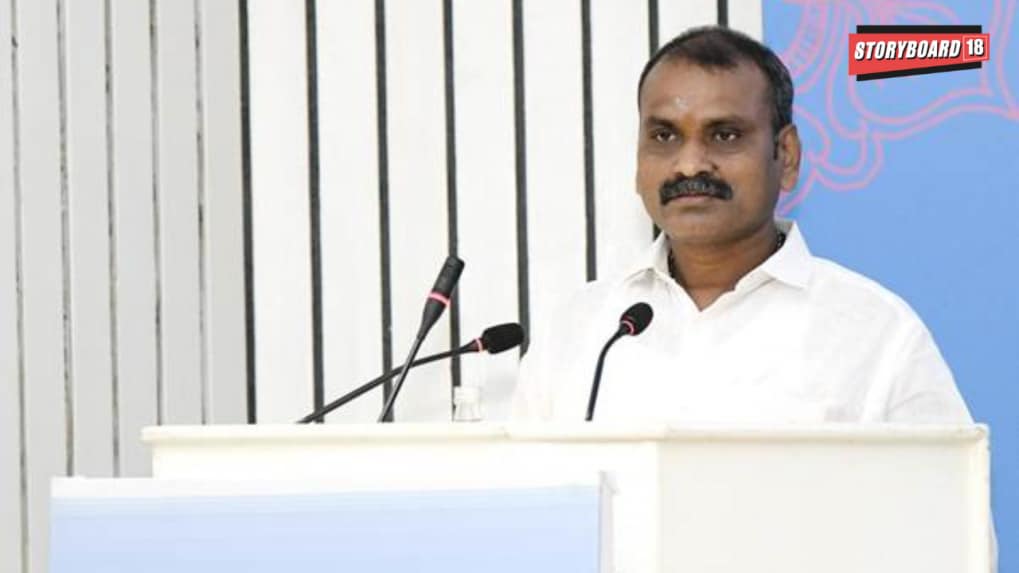
Replying to a question from MP S. Niranjan Reddy in the Rajya Sabha, Minister of State for Information and Broadcasting L. Murugan said the government is aware that AI tools are increasingly being used across the Indian film industry to generate dialogues, storylines and screenplays. However, he clarified that there is currently no proposal to amend the Cinematograph Act, 1952, or introduce any regulatory framework specific to AI-generated creative work.
The response comes at a time when AI-assisted writing tools, from language models to automated screenplay generators, are being actively adopted in Bollywood, regional cinema, advertising and streaming content. While producers see efficiencies in ideation, pre-visualisation and drafting, writer associations have repeatedly flagged concerns around copyright ownership, lack of attribution, dilution of creative labour, and the risk of studios using AI to replace early-stage writing teams.
Globally, the issue has already sparked intense debate. In the US, Hollywood writers went on strike in 2023 demanding protections against uncontrolled use of AI in the creation of scripts, ultimately leading to contractual limits on how studios can use AI and requiring consent when AI tools are deployed. Several countries are also drafting AI-specific copyright guidance to protect human creators.
In India, however, the regulatory framework remains unchanged. Murugan’s written response makes it clear that the Cinematograph Act, which governs film certification and exhibition, will not be amended to address AI in the creative process, at least for now. The lack of direction also raises questions on how disputes around authorship, originality and compensation will be addressed as AI-generated content becomes mainstream.
Industry bodies say the risks extend beyond labour concerns. AI-generated narratives trained on unlicensed datasets could lead to copyright infringements, while the blending of AI dialogues with human-written scripts could complicate crediting norms. Some creators also fear that unregulated AI use may homogenise storytelling, weaken cultural nuance, and incentivise formulaic content optimised for algorithmic preferences.
For now, the government’s position suggests that the industry will be left to self-regulate, even as AI penetrates deeper into the filmmaking pipeline. With adoption rising and clear legal standards still absent, stakeholders have earlier warned that disputes over authorship, royalties and creative accountability may only intensify in the coming years.
From Scripts to Screens: Here's How AI is Redefining India’s Entertainment Landscape