
Bhajan clubbing and the new grammar of devotion marketing
How devotional music, sober nightlife and Gen Z culture are creating a new marketing opportunity for faith brands

ADVERTISEMENT
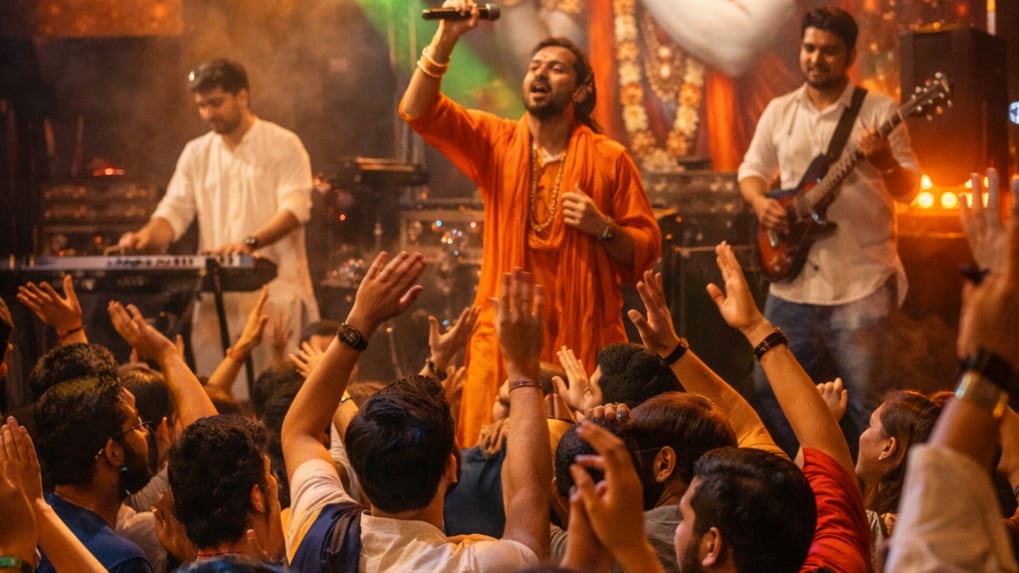
The trend first gained visibility in Ahmedabad and has since appeared in cities including Bengaluru and Delhi. Events are typically hosted in concert halls, stadiums, open grounds and large venues rather than religious institutions, allowing for bigger crowds and amplified production.
This change of setting is crucial. By placing devotional music in entertainment-first environments, bhajan clubbing positions faith as something that can coexist with leisure, socialising and youth culture.
Why Gen Z is showing up
For many Gen Z participants, bhajan clubbing offers an alternative to conventional nightlife. The format retains the energy of a club or festival but removes alcohol, creating what attendees often describe as a “sober rave”.
Community is central to its appeal. Younger audiences increasingly gravitate toward shared, identity-driven experiences that allow expression without rigid codes of behaviour. Videos circulating online show crowds dressed casually, singing along, recording clips and treating the event as both spiritual engagement and social gathering.
In that sense, bhajan clubbing mirrors broader lifestyle trends where wellness, sobriety and cultural roots are being reimagined rather than rejected.
How it differs from traditional devotional settings
Traditional bhajans are typically slow-paced, reflective and centred on prayer. Bhajan clubbing, by contrast, prioritises participation, movement and atmosphere. While loud music and processions are not new to Indian religious life, the club-style staging and festival aesthetics mark a clear shift in intent.
This departure has sparked debate. Supporters argue it modernises faith and keeps devotional traditions relevant. Critics say placing sacred chants in disco-like environments risks diluting religious meaning and turning devotion into performance content.
Why brands are paying attention
For devotional brands, bhajan clubbing represents something rare: a direct cultural bridge to younger consumers who might otherwise feel distant from traditional religious rituals.
ITC’s incense brand Mangaldeep is among those openly engaging with this evolving format. Commenting on the trend, Rohit Dogra, Divisional CEO at Matches and Agarbatti Division of ITC, said:
“Bhajan Jamming is one of the avenues through which today’s youth express their spirituality and devotion. As an enabler of devotion, Mangaldeep is keen to support such evolving forms of spiritual expression that keep faith relevant and lived in everyday life. Bhajan Jamming creates the same sense of togetherness and calm that incense has brought into Indian homes for decades. It is a meaningful platform to connect with young spiritual seekers, and we look forward to exploring this collaboration.”
The language here is telling. Brands are not positioning themselves as disruptors of tradition, but as facilitators of continuity, supporting newer expressions while anchoring themselves in legacy values like calm, togetherness and daily ritual.
A new marketing playbook for the devotional economy
- Bhajan clubbing points to a broader shift in how devotional brands may approach marketing:
- From ritual to experience: Instead of focusing solely on in-home puja moments, brands can associate with collective, out-of-home spiritual experiences.
- From reverence to relevance: Messaging is evolving from strict religiosity to emotional well-being, community and identity.
- From older audiences to youth-first engagement: Events, collaborations and content formats allow brands to stay present in Gen Z cultural spaces without overt preaching.
What the trend ultimately signals
Whether viewed as adaptation or dilution, bhajan clubbing highlights how faith, culture and leisure are being renegotiated by younger Indians. It reflects a generation seeking spirituality on its own terms, loud, collective, visually striking, yet alcohol-free.
For devotional brands, the opportunity lies not in turning bhajans into marketing gimmicks, but in understanding why these formats resonate and how devotion itself is being redefined in public life.
As bhajan clubbing continues to spread, it may well become a test case for how India’s deeply traditional categories evolve without losing their soul.