
Small retailers under threat as quick commerce surges; FRAI urges ‘Bharat Taxi’-style platform, backs ONDC support
FRAI criticised the way large, often foreign-funded e-commerce and quick-commerce companies engage with the small-retailer ecosystem.

ADVERTISEMENT
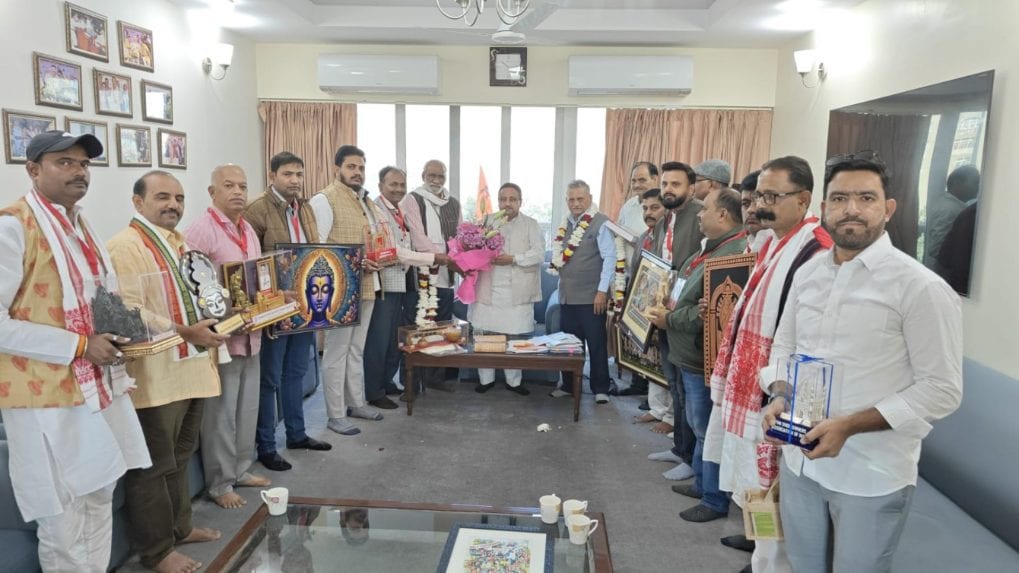
The Federation of Retailer Association of India (FRAI), which represents nearly 80 lakh micro, small and medium retailers, has raised fresh concerns over the growing dominance of e-commerce and quick-commerce platforms, warning that they are severely eroding the business and livelihoods of small shop owners across the country.
At an event in New Delhi, FRAI said online food, grocery, gadget and apparel delivery platforms are driving a sharp decline in incomes for thousands of local grocery and kirana stores. Citing multiple studies, the apex retail body said around two lakh kirana stores shut down last year as consumers increasingly shifted to instant-delivery services such as Blinkit and Zepto. A December 2024 JP Morgan study on Mumbai’s offline grocery market found 60% of stores reported a drop in sales volumes, largely due to the proliferation of dark stores run by quick-commerce players.
FRAI accused these companies of reshaping consumer behaviour through deep discounting, rapid delivery promises and aggressive marketing, creating what it described as an uneven playing field for small retailers. Many kirana shops, it said, are seeing dramatic drops in footfall as they struggle to match the scale and incentives offered by well-funded platforms.
The association further criticised the way large, often foreign-funded e-commerce and quick-commerce companies engage with the small-retailer ecosystem. Rather than strengthening independent businesses, FRAI said many platforms are reducing shop owners to delivery partners or last-mile agents, pushing them into gig work with uncertain and unstable incomes.
Warning of a potential collapse of India’s informal retail backbone, FRAI urged the government to create a fair, well-designed support model to protect small retailers and local entrepreneurs. The body proposed equipping kirana stores with a dedicated technology platform, similar to a “Bharat Taxi”-style digital system where customer orders are routed to nearby stores, with fulfilment allotted to the first shop that accepts the order. A customer-rating system, it said, could help stores improve service quality and foster healthy competition.
“Small retailers and kirana shopkeepers are facing an unprecedented challenge as e-commerce and quick-commerce platforms reshape the market,” said Abhay Raj Mishra, Member and National Coordinator of the Indian Sellers Collective and Honorary Spokesperson of FRAI. He praised ONDC for restoring balance by giving small retailers better visibility and digital access, adding that India’s retail future must protect entrepreneurship and neighbourhood stores.
FRAI said the Open Network for Digital Commerce holds significant potential, but called for a multi-pronged strengthening plan. This includes easier seller onboarding, practical training, streamlined catalogue digitisation, improved logistics partnerships, consistent service standards across buyer apps, lower commissions, promotional support and a unified trust-and-rating system to enhance credibility.