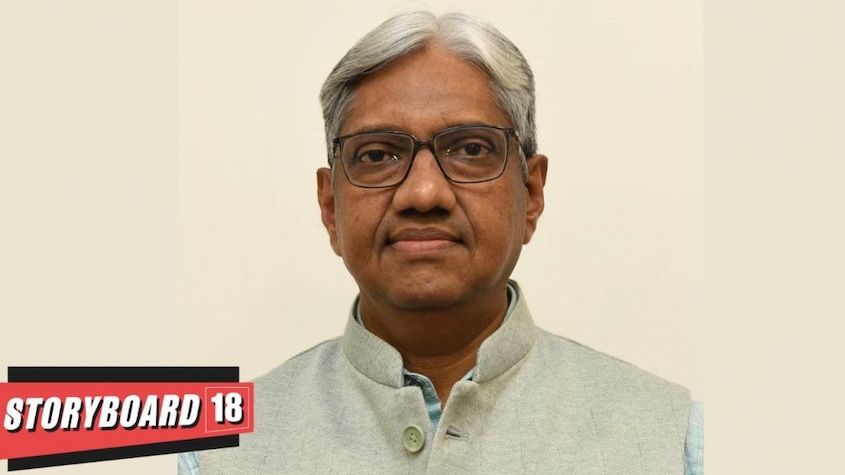

TRAI underscores that regulation of the broadcasting sector should not come at the cost of growth
TRAI flags need for MIB-led policy fix on 10+2 ad cap to ensure compliance while allowing the industry to expand.

ADVERTISEMENT
The Telecom Regulatory Authority of India (TRAI) has emphasised that regulation of the broadcasting sector must be balanced with the need for industry growth, with chairman Anil Kumar Lahoti assuring stakeholders that compliance should not come at the expense of the sector’s expansion. At the same time, Lahoti made it clear that TRAI is bound by existing laws and that any change to the long-standing 10+2 advertising cap framework would require policy intervention from the Ministry of Information and Broadcasting (MIB).
The comments came during a meeting on Tuesday between Lahoti and multiple broadcasting industry representatives, who renewed their demand for a resolution to the contentious advertising cap issue. Broadcasters have repeatedly argued that the current limit of 12 minutes of advertisements per hour is hurting their revenues and no longer reflects present market realities.
According to executives familiar with the discussions, Lahoti told the delegation that TRAI’s intent was not to curb industry growth, but that the regulator was obligated to enforce the law as it stands today. He reportedly conveyed that any lasting solution to the 10+2 cap would require legislative amendments by the MIB. “The chairman clearly stated that TRAI can only implement what is mandated under existing regulations. Any change has to be driven by the ministry,” said a senior broadcast executive who attended the meeting.
The interaction comes soon after TRAI issued show-cause notices to several major television broadcasters for allegedly breaching the 12-minute advertising cap per clock hour. That action revived a dispute that has been ongoing for more than a decade. In 2013, the Delhi High Court had granted interim protection to broadcasters, restraining the regulator from taking coercive steps on the matter. The case is currently pending final adjudication before the Supreme Court.
During the meeting, industry representatives told Lahoti that strict enforcement of the cap—permitting up to 10 minutes of commercial advertising and two minutes of self-promotional content per hour—would further strain broadcasters at a time when advertising spends are increasingly shifting to digital platforms. “This regulation was framed in a very different market environment. Today, broadcasters are competing with digital players that are not subject to the same restrictions,” said another executive present at the discussion.
While reiterating that broadcasting remains a regulated sector, Lahoti sought to reassure stakeholders that TRAI is conscious of the economic pressures faced by the industry. “He emphasised that the regulator understands the challenges and does not want growth to be hampered,” said a person aware of the conversation.
Lahoti also informed participants that TRAI has already submitted recommendations to the MIB regarding the formulation of a National Broadcast Policy, which could provide a more comprehensive framework for the future. “A coherent national policy could bring much-needed certainty and enable the sector to grow in a more structured manner,” said an executive who attended the meeting.
The 10+2 advertising cap is laid down under the Standards of Quality of Service (Duration of Advertisements in Television Channels) Regulations, 2012 notified by TRAI, and is also reflected in the Cable Television Networks Rules, 1994. Broadcasting and cable services were brought under TRAI’s jurisdiction through a government notification under the TRAI Act, classifying them as telecommunication services.
Industry executives said the latest round of discussions reinforces the need for the MIB to step in with policy clarity. “Unless there is a new or amended law, this issue will continue to resurface. The industry needs certainty and a framework that reflects today’s competitive landscape,” said one executive.