Delhi-NCR air quality plunges to hazardous levels as Noida AQI breaches 550, emergency curbs imposed
Alongside these restrictions, authorities have issued urgent health advisories, warning residents of the serious risks posed by the prevailing pollution levels.

ADVERTISEMENT
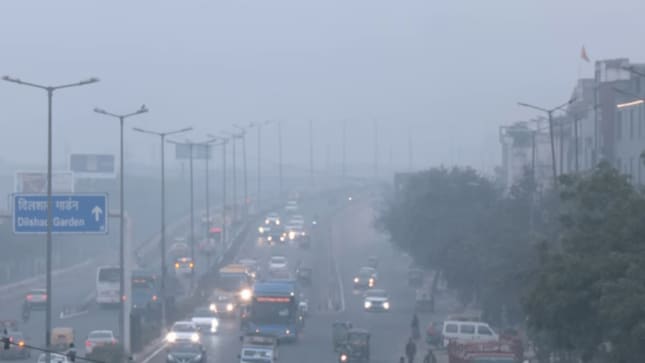
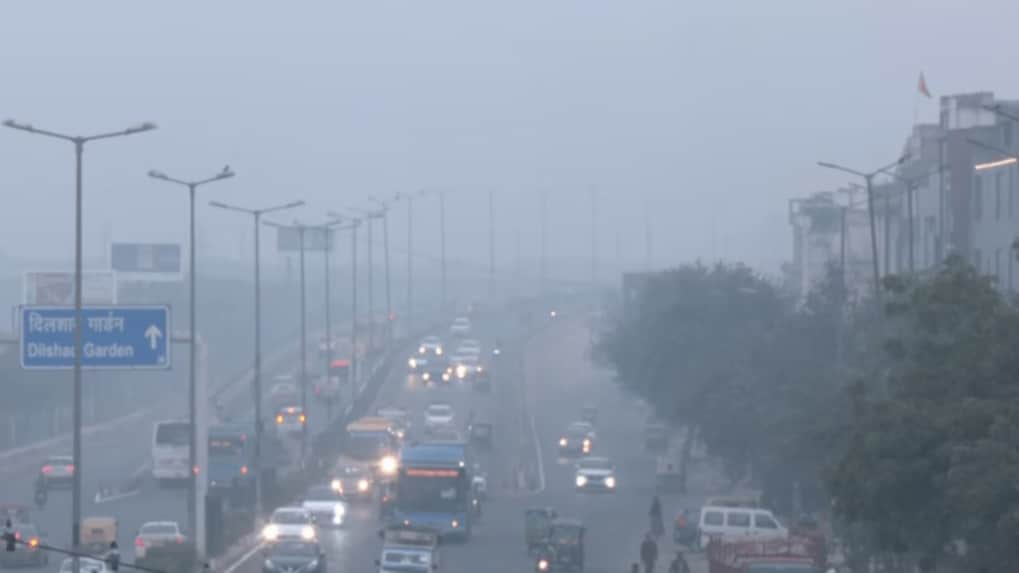
A dense blanket of toxic smog engulfed Delhi and the National Capital Region on Monday, pushing air quality into the severe-to-hazardous category and prompting authorities to activate emergency restrictions to address a growing public health crisis, according to a Moneycontrol report.
Real-time readings from AQI.in showed Delhi’s average Air Quality Index hovering at around 481, firmly within the severe zone. Conditions were even worse in neighbouring Noida, where the AQI surged past 550, placing it in the extremely hazardous category. Greater Noida followed closely with readings near 422, while parts of north Delhi such as Jahangirpuri and Bawana reported levels approaching 490.
The heavy smog sharply reduced visibility across major roads, disrupting traffic during peak morning hours and forcing residents to breathe in acrid air. In response to the deteriorating conditions, the Commission for Air Quality Management informed that Stage IV of the Graded Response Action Plan, the strictest phase of anti-pollution measures, had been enforced across the region.
Under these emergency curbs, all construction and demolition activities have been halted with immediate effect. The entry of most trucks into the capital has been banned, and offices have been directed to function with only 50 per cent physical attendance. Government orders informed that while administrative secretaries and department heads must attend work in person, overall staff presence is to be reduced by half.
The education sector has also been impacted. The Delhi Directorate of Education informed that schools will conduct classes up to Class IX and Class XI in a hybrid format, combining online and in-person teaching. Students of Classes 10 and 12 have been exempted from this arrangement and will continue attending physical classes.
Alongside these restrictions, authorities have issued urgent health advisories, warning residents of the serious risks posed by the prevailing pollution levels. Vulnerable groups, including children, the elderly and pregnant women, have been advised to remain indoors, while all residents have been urged to minimise outdoor exposure due to the heightened risk of respiratory illnesses.