
Simply Speaking: Build for others, last longer
Brands last when they give more than they take. Shubhranshu Singh explores how contribution, not communication, builds legacy.

ADVERTISEMENT
There’s a quiet transformation underway in marketing. Brands are no longer getting better results by shouting louder. The smart ones are acting deeper.
Only a very few have created institutions by which I mean sustained ecosystems of meaning that outlive seasonal briefs and media plans.
Let’s call them institutional activations. When a brand steps beyond messaging into the realm of doing it starts enabling and enriching culture itself.
The Michelin Guide remains the archetype. It began, humbly enough, as a tyre company’s attempt to get more people driving. Yet by recognising the power of good food to inspire travel, Michelin didn’t just promote mobility but it canonised it. Over a century later, the guide still confers legitimacy, status, and aspiration. Michelin earned authority by giving it away.
The Diageo Reserve World Class Bartender competition is an initiative that operates on the same principle. It dignified a profession. It turned the anonymous bartender into a celebrated craftsman and the act of mixing drinks into an art form. By doing so, Diageo elevated the entire spirits industry, not just its own labels. It built a community people could relate to.
Coke Studio offers another masterclass in meaning-making. Instead of interrupting music, it created it. What began as a branded content experiment became a cultural bridge across languages, regions, and generations. Coke Studio didn’t sell beverages. The branding there was only creating belonging.
For Royal Enfield, where I worked for four years, Rider Mania (now called Motoverse) and the brand’s epic road journeys were not marketing events but modern rituals. Riders weren’t just consumers but participants in a shared mythology of freedom and camaraderie. The brand didn’t merely advertise adventure. It hosted it.
At Lakmé Fashion Week, which I ran for five seasons, the brand went beyond sponsorship into stewardship. It gave Indian fashion a global stage and helped professionalise an industry. Lakmé could have used it for selling lipstick but actually it was defining Indian aesthetics on the world stage. That’s how commerce becomes culture.
Asian Paints did something similar when it reimagined colour through its enduring idea, 'Har Ghar Kuch Kehta Hai'. By transforming the walls of a home into storytellers, it redefined what a paint brand could stand for. It replaced product features with emotional resonance and suddenly every wall became a diary of memory.
“Trucking Into the Future”, by Tata Motors, which I had the privilege of creating, celebrated an invisible yet invaluable workforce. These were the men who drive India’s logistics economy forward. It didn’t talk about torque or technology. It talked about dignity. When a brand humanises its ecosystem, it builds far more than equity and builds empathy.
The Seduction of the Trend
There is a kind of seduction in the safety of trends. They come ready made, validated by others, and seem to promise relevance without risk. Many companies mistake that borrowed momentum for strategy. They imitate what is already working evident as a viral format, the influencer, the aesthetic etc, believing that replication will yield recognition.
But what works for one brand rarely transfers to another. Every brand lives within its own of values, people, and purpose. When you copy someone else’s rhythm, you lose your own voice. You delude yourself to think the echo is resonance.
Read More: Potted Plants and Forest Giants: Rethinking Brand Growth in an Age of Hype
Trend-following is, paradoxically, one of the riskiest habits in modern marketing. Its half-life is shrinking dramatically. What is celebrated today is forgotten tomorrow. The churn of formats, memes, and “moments” leaves brands and consumers exhausted. It may compel a burst of attention, but it rarely builds attachment.
More dangerously, it hollows out culture from within. A brand too busy chasing novelty forgets to nurture originality. The result is a sameness that spreads across categories with everyone speaking in the same fonts, the same tones, the same borrowed causes.
Read More: Simply Speaking: When buybacks beat breakthroughs
True innovation needs a courage to listen inward, not outward. It is built from conviction, not consensus. To be the brand others will one day imitate and not the one imitating today’s noise.
The future belongs to the makers of meaning, not the followers of fashion.
All great institutional acts have a shared DNA. They don’t shout for attention, more like they earn it through service. They are patient, consistent, and repeatable. They don’t chase trends and get behind building traditions. They don’t measure engagement in clicks but in continuity. They are the opposite of ephemeral campaigns. They signal solidity.
Read More: Simply Speaking: Memory Makes Magic - “What’s Your Brand’s Madeleine?”
Brands need such acts now more than ever. The algorithmic world rewards noise, but audiences seek meaning. Attention is cheap yet affinity is rare. Institutional activations provide that depth of connection. They turn marketing from persuasion to participation. They build ecosystems that accrue value year after year, long after media budgets are spent.
To create them, brands must change posture from owning messages to enabling movements and from controlling narratives to convening communities.
Doing this requires imagination, patience, and courage. It demands the willingness to invest in something that compounds slowly but significantly. The reward is permanence in a transient age.
Michelin didn’t intend to build a cultural institution, but its act of generosity became one. That’s the lesson for every brand today because what you build for others lasts longer than what you build for yourself.
The future of brand building lies in acts, not ads. Have you created something the world would miss if it were gone?
As a brand when you stop speaking and start doing, you don’t just find loyal customers and advocates but, verily, you find purpose.
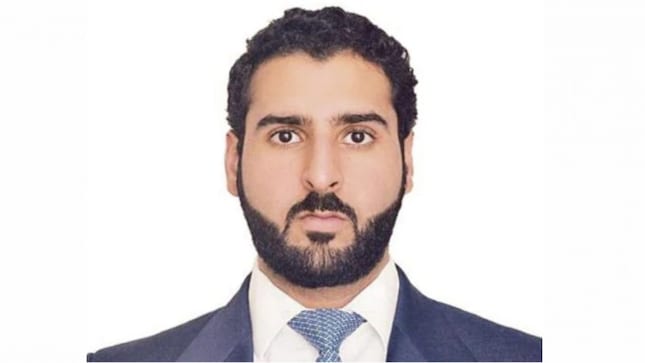
Shubhranshu Singh is a business leader, cultural strategist, and columnist. He was honoured as one of the 50 most influential global CMOs for 2025 by Forbes and serves on the board of the Effie LIONS Foundation.