
Davos 2026: India’s AI strategy is pro-growth, not copy-paste regulation: Meta’s Joel Kaplan
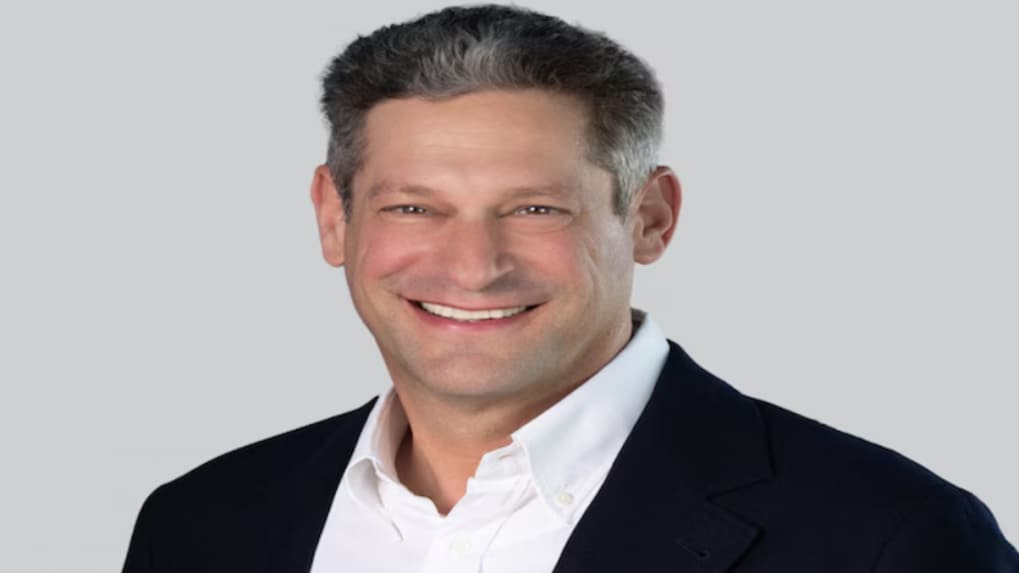
Speaking at the World Economic Forum in Davos, Meta’s chief global affairs officer Joel Kaplan said India is charting a balanced AI path by prioritising innovation, startups and applied use cases over heavy regulation.

ADVERTISEMENT
The Indian government is adopting a measured and innovation-friendly approach to artificial intelligence, consciously steering away from rigid regulatory frameworks, Meta’s chief global affairs officer Joel Kaplan said during the World Economic Forum in Davos on January 21.
In an interaction with Moneycontrol, Kaplan said India’s policymakers are focused on encouraging growth rather than mirroring Europe’s stricter regulatory model. According to him, the government recognises the economic importance of emerging technologies, particularly for entrepreneurs and small businesses that form the backbone of India’s digital economy.
Kaplan pointed to India’s Digital Personal Data Protection (DPDP) framework as an example of this approach, describing it as consultative and carefully developed rather than reactive. He said such policymaking reflects an understanding of how regulation can either enable or slow innovation.
Addressing a key debate within India’s startup ecosystem, whether the country should invest in building large foundational AI models or concentrate on applications, Kaplan said the application layer presents the most practical opportunity. He argued that developing foundational models requires massive financial investment and may not be the most efficient use of public funds or private capital.
Also read: Davos 2026: Focus on AI applications, not core models, Demis Hassabis tells India at WEF
Instead, he said India’s strength lies in its vast developer base, which can build services and products tailored to local consumers and businesses by leveraging existing AI models. According to Kaplan, applied AI is where real value will be created for India’s market.
His view aligns with comments made earlier the same day by Google DeepMind CEO Demis Hassabis, who also suggested that India should prioritise applied AI, given the availability of global foundation model providers.
Kaplan also highlighted why India remains strategically critical for Meta. With more than a billion monthly users across Facebook, Instagram and WhatsApp, India is the company’s largest market globally. The country also plays a central role in Meta’s future AI and business messaging plans, especially as the company looks to diversify beyond digital advertising.
India’s position as one of the world’s largest markets for paid messaging makes it particularly important for Meta’s business-focused offerings. Kaplan said the company expects strong adoption from small businesses as new AI-driven tools are introduced.
Also read: Davos 2026: Infosys sees AI-led growth outpacing tech sector headwinds, says Salil Parekh
He pointed to Meta’s recent acquisition of Singapore-based startup Manus, which has developed a general-purpose autonomous agent capable of performing complex tasks such as research, coding and data analysis. Meta plans to integrate the technology across its platforms, including WhatsApp, with a particular focus on enabling small businesses.
According to Kaplan, Indian businesses are likely to be among the earliest and most enthusiastic adopters of such AI-powered services, reinforcing the country’s growing role in shaping the next phase of global AI adoption.