
Davos 2026: Infosys sees AI-led growth outpacing tech sector headwinds, says Salil Parekh
Parekh said artificial intelligence is emerging as a major source of incremental revenue for Infosys.

ADVERTISEMENT
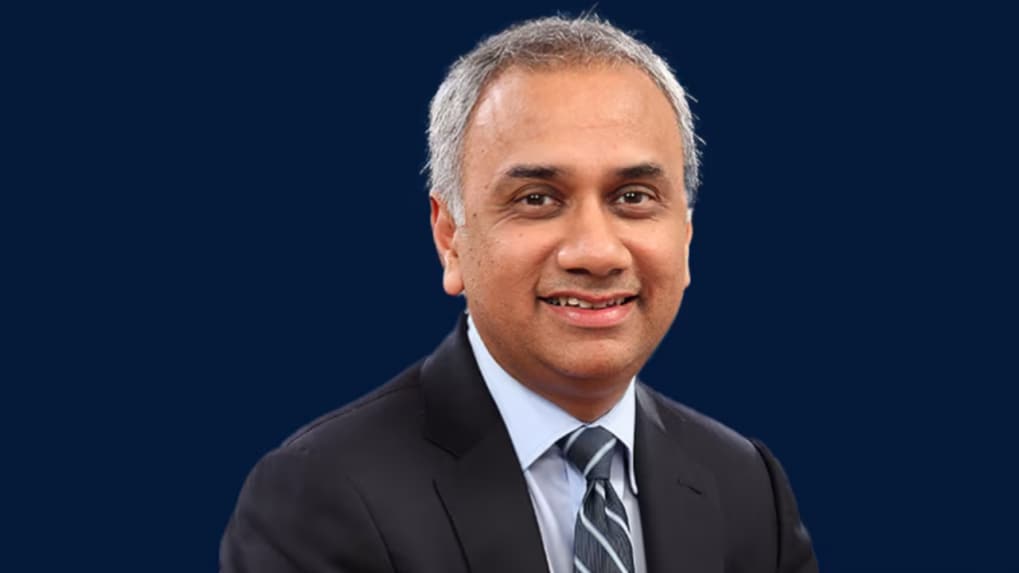
Infosys chief executive Salil Parekh said the company is witnessing improving demand conditions across key sectors and expects artificial intelligence-led opportunities to drive growth over the coming years, even as parts of the global technology services industry continue to face pressure.
Speaking to CNBC-TV18 at the World Economic Forum in Davos, Parekh said Infosys expects the outlook for the next financial year to be stronger than the current one, led by momentum in financial services as well as energy and utilities. He added that discretionary technology spending has begun to return in financial services during the ongoing year.
Parekh said artificial intelligence is emerging as a major source of incremental revenue for Infosys. The company has identified six areas offering multi-year growth opportunities linked to enterprise adoption of AI, with some of these expected to start contributing from the next financial year. He said more than 90 per cent of Infosys’ top 200 clients are already engaged in AI-related programmes, with the company currently executing around 4,600 such initiatives.
He highlighted software development and the modernisation of legacy systems as two areas where AI-led tools and agents are helping clients reduce time and costs, thereby making projects viable that were earlier considered uneconomical. This, he said, is generating new technology spending rather than simply reallocating existing budgets.
Parekh acknowledged that AI adoption could lead to revenue compression in some traditional service lines but said Infosys expects the growth opportunities arising from AI-driven work to outweigh any such compression over the medium term. He added that the company would share more details on specific revenue opportunities at its investor day in February.
While demand remains uneven in sectors such as retail, telecom and high-tech, Parekh said the overall environment is improving, supported by stronger global economic indicators, including better growth in the United States and expectations of lower interest rates, which typically support higher technology spending.